A premium hairbrush should do more than look beautiful on a dressing table. This Mason Pearson Popular Mixture Brush review focuses on whether its mixed boar-and-nylon bristles genuinely make everyday smoothing, detangling and polishing easier for at-home styling.
The short version: the Mason Pearson Popular Mixture Brush is a luxurious, well-made smoothing brush that can make hair look glossier and more groomed with very little effort. It is not, however, the best fit for every texture, every scalp, or anyone who wants a low-maintenance brush they can throw into a gym bag without thinking.
Product overview
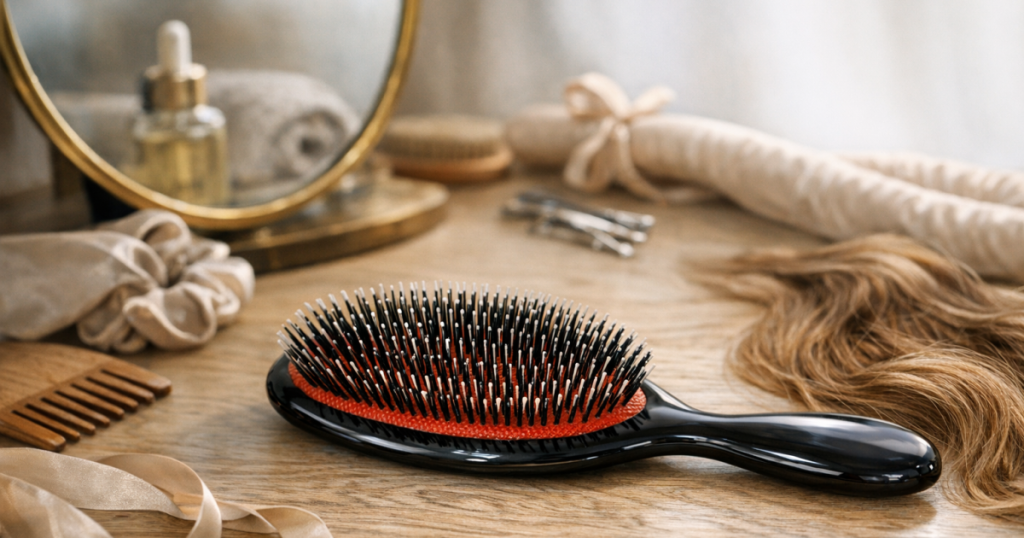
The Mason Pearson Popular Mixture Brush is one of the brand’s best-known mixed-bristle cushion brushes. It combines boar bristles with nylon tufts, so it is designed to smooth, polish and work through the hair more effectively than a pure boar bristle brush, while still giving that classic groomed finish.
Quick verdict: it feels like a proper long-term beauty tool rather than a trend-led accessory. The biggest strength is the finish it gives on dry hair: softer-looking lengths, less visible fluffiness and a more refined surface after brushing. The biggest caveat is that the dense bristle layout is not ideal for every curl pattern, and the high price only makes sense if you will use it regularly and look after it properly.
It sits in a different role from a detangling brush, a round brush or a hot brush. Think of it as a finishing and daily grooming brush first. It can help distribute natural oils from the scalp through the lengths, smooth a blow-dry, refresh second-day hair and tame the top layer before styling. It is not a shortcut to root lift, bend or curl formation.
If you decide to buy, use the exact product name as your reference point and check the retailer’s description carefully. Mason Pearson brushes come in different sizes and bristle mixes, so it is worth confirming that the listing is for the mixed-bristle Popular size rather than a pure bristle, pocket or junior version.
Key specs
- Product type: premium cushion hairbrush for smoothing, grooming and dry-hair finishing.
- Bristle mix: boar bristles combined with nylon tufts.
- Brush style: pneumatic cushion brush with a handle.
- Main use: smoothing the surface, distributing oils, polishing lengths and brushing out styled hair.
- Best suited to: normal, medium, long, straight, wavy and some thicker hair types that respond well to brushing.
- Less suited to: very fragile hair, tightly coiled textures worn natural, very oily scalps that dislike oil distribution, or anyone needing a wet-detangling tool.
- Care: remove shed hair regularly and clean according to the brand’s instructions; avoid soaking the cushion.
- Buying check: verify the exact size, bristle mix and included accessories with the UK retailer before purchase.
Pros and cons
Pros
- Gives a noticeably polished, groomed finish on dry hair.
- The nylon tufts help the brush reach through hair more effectively than pure boar bristle alone.
- Excellent for smoothing a blow-dry without flattening the hair as aggressively as some paddle brushes can.
- Useful for brushing out waves, bends and heatless curls when you want a softer, more expensive-looking finish.
- Feels sturdy and considered rather than flimsy or disposable.
- Can reduce the need for repeated hot-tool touch-ups if your main issue is surface fluff or uneven texture.
Cons
- The price is high, so the value depends on frequent use.
- Not a wet-detangling brush and not the gentlest option for knots.
- Can make very fine or oily roots look flatter if overused at the scalp.
- Dense bristles need regular cleaning to stay pleasant and effective.
- Not the natural choice for tight curls or coils if you want to preserve curl definition.
- It does not create volume, curl or shape on its own.
Performance in real use
Smoothing and shine
This is where the Mason Pearson Popular Mixture Brush makes the strongest case for itself. On dry hair, it smooths the surface quickly and gives lengths a more unified look. The boar bristles help polish, while the nylon tufts add enough firmness to get through more hair than a soft pure-bristle brush would manage.
On straight hair, the effect is sleek but not overly glassy. On wavy hair, it can turn separated waves into a softer, brushed-out shape. On hair that tends to look puffy around the crown, it can help refine the top layer, although it will not replace the hold of a styling product in damp or windy British weather.
Detangling and comfort
It can work through light tangles, but it should not be treated as a knot-removal tool. If your hair tangles badly after washing, swimming or sleeping, start with a proper detangling brush or wide-tooth comb first, then use this brush to finish and smooth. Dragging it through knots defeats the point of a premium brush and can be rough on fragile ends.
The cushion gives the brush some flexibility, so it does not feel like a hard paddle scraping across the scalp. Still, the nylon tufts are firm enough that sensitive scalps may want to use a lighter hand. If you enjoy a stimulating scalp-brushing feel, you may love it; if you prefer very soft bristles, it may feel more assertive than expected.
Fine hair
Fine hair is where the decision becomes more nuanced. The brush can make fine lengths look smoother and more expensive, especially after a blow-dry or heatless wave set. It is lovely for brushing out curls when you want softness rather than ringlets. The risk is over-brushing at the roots: too many strokes from scalp to ends can move oils down quickly and make fine hair look limp.
For fine hair, use it mainly through the mid-lengths and ends, then lightly skim the top layer. If your priority is lift rather than polish, pair brushing with a separate volume method such as using Velcro rollers for root lift instead of expecting the brush to create height by itself.
Thick hair
On thick hair, the mixed bristles are the reason this version is more convincing than a soft boar-only brush. The nylon tufts help reach into the hair, while the boar bristles improve surface smoothness. That said, very dense or coarse hair may still need sectioning. If you only brush the top layer, the underneath can remain tangled or bulky.
The best method is to detangle first, then work in sections from underneath to top. You will get a neater finish and avoid repeatedly brushing the same outer layer. For thick hair that has been blow-dried smooth, this brush works especially well as a final polish before leaving the house.
Curly and textured hair
For curls and coils, this brush is more of a styling-effect tool than an everyday essential. It can be useful when you intentionally want to brush out a set, smooth hair into an updo, or create a soft, stretched finish. It is less suitable if you want to maintain natural curl clumps, definition and volume between wash days.
If your texture frizzes when brushed dry, this is unlikely to change that completely. A premium brush can improve polish, but it cannot override the basic behaviour of your curl pattern, humidity response or product routine.
Using it with styled hair
The Mason Pearson Popular Mixture Brush works beautifully as a finishing brush after heatless curls, roller sets or a smooth blow-dry. For curls, wait until the hair is fully set, add a tiny amount of lightweight oil or serum to your palms if your hair tolerates it, then brush gently from the ends upwards before shaping with your fingers.
For a bob or lob, it can smooth the outer layer and tuck the ends into place, but it will not give the tension or curve of a round brush during drying. Use it after styling rather than as the main shaping tool.
Build quality and upkeep
The build quality is a major part of the appeal. It feels balanced in the hand, the cushion has a controlled give, and the bristles feel purposefully arranged rather than randomly packed. This is the kind of accessory that rewards careful storage and cleaning.
Maintenance matters. Mixed-bristle brushes hold onto shed hair, lint and product residue more visibly than simple plastic detanglers. Remove hair after use, clean between the bristles regularly and avoid soaking the cushion. If you use hairspray, dry shampoo or oils, expect to clean it more often to keep the bristles performing well.
Who it’s best for / who should skip it
Best for
- Medium to long hair that needs smoothing, polishing and daily grooming.
- Straight or wavy hair that looks better after being brushed into shape.
- Fine hair owners who want gloss through the lengths and are disciplined about not over-brushing oily roots.
- Thicker hair owners who want a finishing brush after detangling or blow-drying.
- Anyone who regularly brushes out heatless curls, soft waves or roller sets.
- Beauty buyers who prefer investing in one high-quality accessory rather than replacing cheaper brushes frequently.
Skip it if
- You mainly need a wet-detangling brush for post-wash knots.
- Your curls or coils lose definition and frizz whenever brushed dry.
- You want a tool that creates volume, bend or root lift by itself.
- Your scalp gets oily quickly and you dislike brushing oils down the hair shaft.
- You are unlikely to clean and store it carefully.
- You want the lowest-cost functional option rather than a premium grooming experience.
Alternatives
If the price feels hard to justify, first decide what job you actually need the brush to do. For smoothing and polishing, a mixed-bristle cushion brush from a reputable brush brand may give you part of the effect at a lower spend, though it may not feel as refined in the hand or last in quite the same way.
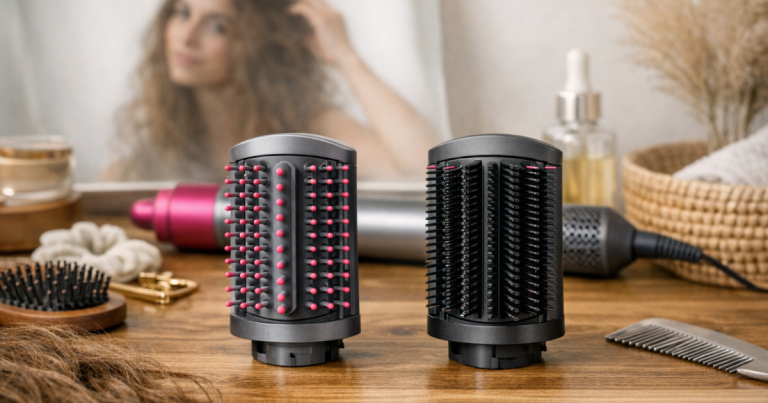
If your main styling goal is smoothness from a tool rather than a manual brush, it may be more useful to compare the Dyson Airwrap smoothing brush attachments, particularly if you already own the styler and are deciding which attachment suits your hair texture. That is a very different investment, but it solves a different problem: powered smoothing and shaping rather than dry-hair grooming.
If your main goal is volume, the better alternative is not another luxury brush. Look at rollers, root clips, blow-dry technique or a lightweight styling product. A polishing brush can make hair look neater, but it cannot put lift back into roots that have collapsed.
FAQ
Can I use the Mason Pearson Popular Mixture Brush on wet hair?
It is better used on dry hair or hair that is already detangled. For wet knots, use a detangling brush or wide-tooth comb first, then use this brush once the hair is dry for smoothing and polish.
Is it worth it for fine hair?
It can be, but only if you want gloss and a groomed finish more than volume. Fine hair should be brushed lightly, focusing on the lengths rather than repeatedly sweeping from oily roots.
Will it help with frizz?
It can reduce the appearance of surface fluff on hair that responds well to brushing. It will not fully control humidity-related frizz or replace the right wash, conditioning and styling routine.
Is the mixed-bristle version better than pure boar bristle?
For many medium and thicker hair types, yes. The nylon tufts help the brush reach through the hair, while the boar bristles add polish. Pure boar bristle tends to suit finer or more delicate hair that does not need as much penetration.
How often should I clean it?
Remove trapped hair after regular use and clean residue whenever the bristles look dusty or coated. If you use dry shampoo, oils or hairspray, expect to clean it more frequently.
Verdict + score
The Mason Pearson Popular Mixture Brush is worth the splurge if you treat a hairbrush as a daily finishing tool, not just something to pull through tangles. It delivers a polished, softened finish, feels beautifully made and suits straight, wavy, medium and many thicker hair types particularly well. It is less convincing for wet detangling, tight curl definition, root volume or very low-maintenance routines. If your hair regularly looks better after a careful brush-through and you will maintain it properly, I’d score it 8.4/10.
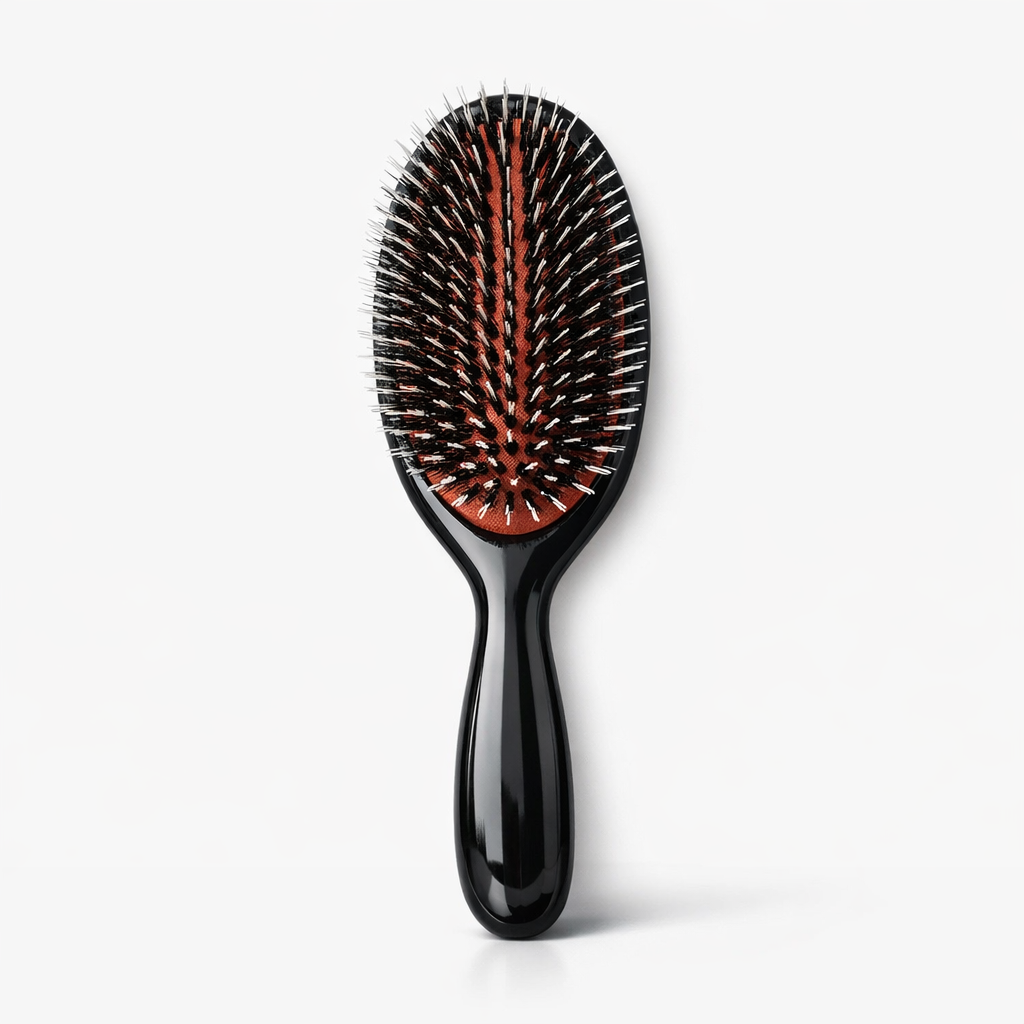
Mason Pearson Popular Mixture Brush
Tr end-led accessory.
You might also like: How to Blow-Dry a Bob Smooth Without Losing Volume.