Tutorials & How-To
How to Use Foam Rollers Without Leaving Dents
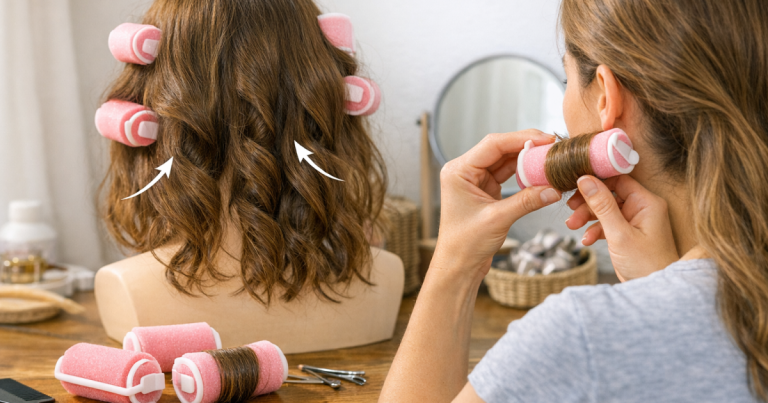
Creases usually come from tension, bulky ends or clamp placement; small setup tweaks make foam rollers much smoother.
Read article →
Section guide
Enhance your styling skills with practical tutorials and how-to guides that cover a range of techniques for various hair types. These resources empower you to master your tools and achieve effective, professional-looking results in the comfort of your home.
Browse articles
Creases usually come from tension, bulky ends or clamp placement; small setup tweaks make foam rollers much smoother.
Read article →
Flat roots after smoothing usually come from the wrong angle, damp roots or heavy product. Small section changes can keep lift where…
Read article →
Fine strands need lift before they dry, not rescue styling afterwards. Use water control, light product and root placement for fuller results.
Read article →
A round brush can make a curtain fringe sit softly rather than flick out oddly. Nail the root direction, brush angle and…
Read article →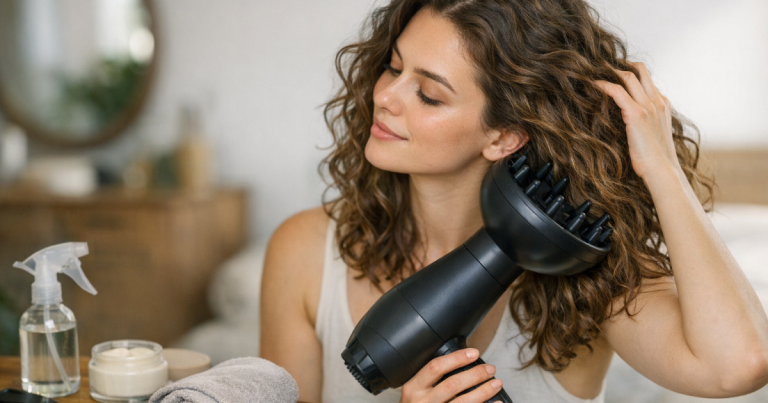
Frizz usually starts before the dryer goes on. Fix the prep, settings and touch points so waves dry defined, not puffy.
Read article →
Keep curls lifted while you sleep, without waking up to a flattened crown, stretched ends or a halo of frizz.
Read article →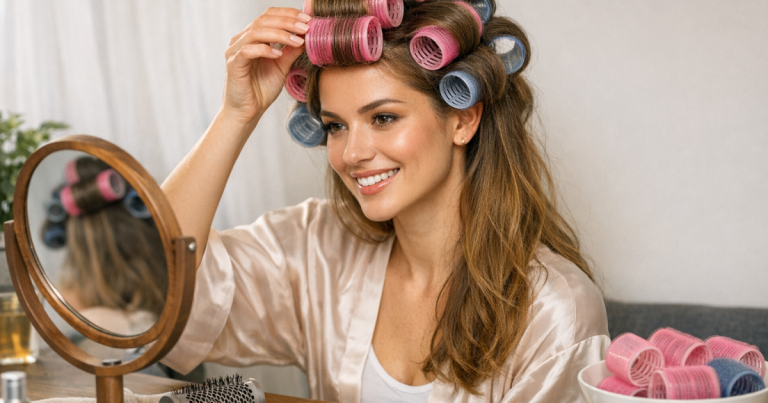
Flat roots after an hour? The right section size, drying stage and cooling time make roller volume far more reliable.
Read article →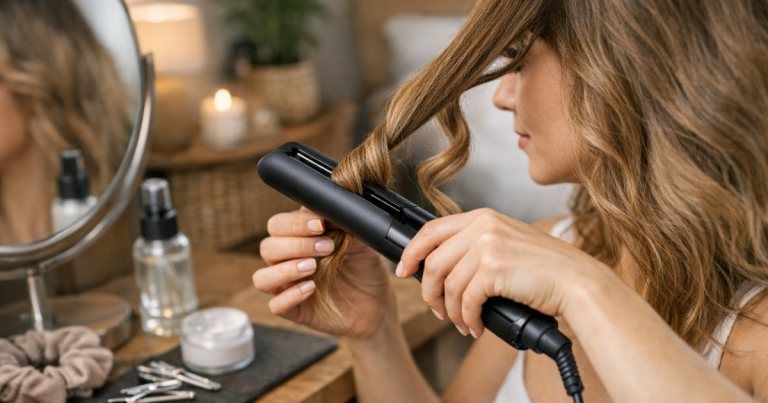
Kinks usually come from clamping too hard, twisting too late or using sections that are too wide. Small changes make curls smoother.
Read article →
Keep the curl shape you slept in while calming the halo, fluffy parting and fuzzy ends with curl-safe finishing moves.
Read article →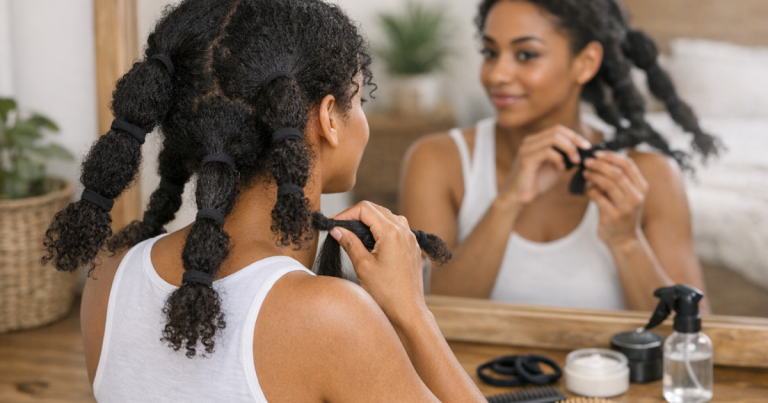
Shrinkage feeling too tight? Banding gives curls more length while keeping heat out of your routine and tension under control.
Read article →