Fine hair can make heatless styling feel like a gamble: too much tension flattens the roots, but too little grip means the bend drops before lunch. This Kitsch Satin Heatless Curling Rod review focuses on that fine-hair problem rather than treating all hair types the same.
Quick verdict: the Kitsch Satin Heatless Curling Rod is a good fit if you want soft, low-effort bends without using a hot barrel. On fine hair, it works best when you keep sections neat, use very light styling product and avoid wrapping too tightly at the roots. It is less convincing if you want polished, identical curls or strong lift at the crown.
Product overview
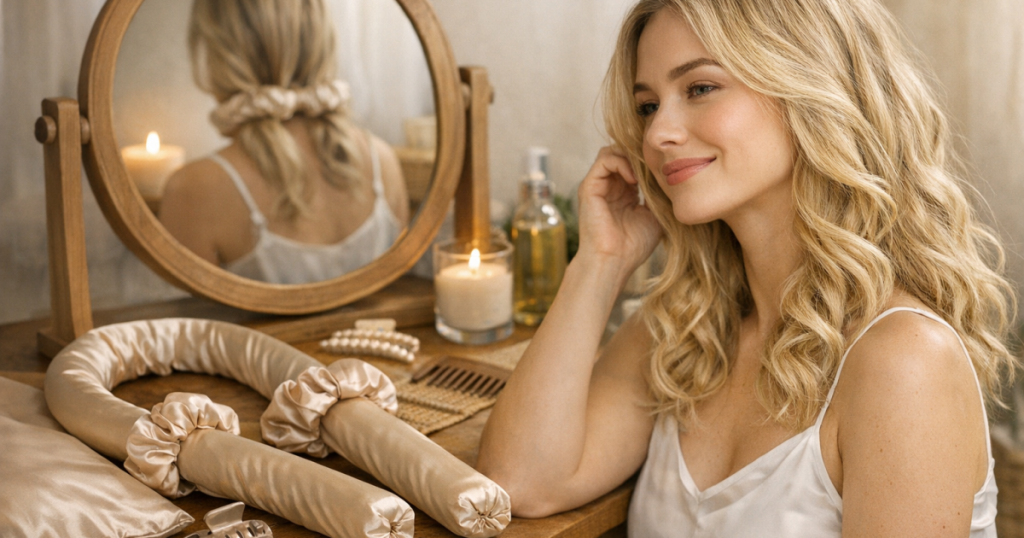
The Kitsch Satin Heatless Curling Rod is a heatless styling accessory designed to shape hair while it sets, rather than using direct heat from tongs, straighteners or a hot brush. The appeal is obvious for fine hair: less heat exposure, less effort in the morning and a softer finish than many heated curls.
The rod sits over the head while the hair is wrapped around it, usually after the hair has been lightly dampened or prepped with a styling product. The satin-style surface is the key beauty detail here. For fine hair, a smoother surface can help reduce roughness and snagging compared with harsher fabrics, although it can also mean very silky hair needs more careful sectioning to stop pieces sliding loose.
For UK shoppers, the main things to verify before buying are the exact set contents, the retailer’s return policy, the rod length and whether the included accessories match how much hair you need to secure. Kitsch ranges can vary by retailer or bundle, so it is worth checking the current product listing rather than assuming every set contains the same extras.
Key specs
- Product name: Kitsch Satin Heatless Curling Rod.
- Brand: Kitsch.
- Product type: heatless hair roller or curling rod.
- Styling method: curls or waves are formed by wrapping and setting, not by direct heated plates or barrels.
- Outer finish: satin-style fabric surface; check the care label and retailer description for the exact material details.
- Best styling aim: soft bends, loose waves and gentler overnight shaping rather than tong-like ringlets.
- Hair-type relevance: particularly appealing for fine, fragile or heat-conscious hair, provided the wrap is not too tight.
- What to verify before purchase: set contents, rod length, securing accessories, care instructions and whether the retailer offers the exact Kitsch version you expect.
Pros and cons
Pros
- Low-heat styling option for fine hair that already feels stressed by regular tongs or straighteners.
- Soft finish suits everyday waves, brushed-out bends and relaxed curtain-fringe styling.
- Satin-style surface feels more hair-friendly than rougher DIY alternatives.
- Simple routine once you learn your section size and preferred wrapping direction.
- Can be useful for refreshing shape without committing to a full heated styling session.
- Lightweight accessory category, so it is easy to pack for weekends away if it suits your routine.
Cons
- Fine, slippery hair may loosen while setting unless sections are controlled and secured properly.
- Root volume can be reduced if the rod is placed too flat or wrapped with too much downward tension.
- Results are less precise than a curling tong, so it is not the strongest choice for uniform occasion curls.
- Very short layers, face-framing pieces and fringes may need a separate roller or clip placement.
- It can take a few attempts to find the right dampness level; too wet can leave hair limp, while too dry can drop quickly.
- Sleeping comfort is personal, and side sleepers may find any rod-style tool noticeable.
Performance in real use
On fine hair, the Kitsch Satin Heatless Curling Rod performs best when you treat it as a wave-setting tool rather than a curl machine. The finish is usually at its prettiest when hair is nearly dry, lightly prepped and wrapped in medium sections. If the hair is soaked, fine strands can dry into a flattened shape. If the hair is completely dry and very silky, the bend may be too subtle unless your hair holds shape easily.
The biggest strength is softness. Fine hair can look overworked quickly with a hot wand, especially around the ends. A satin-covered rod gives a more relaxed bend, which is flattering if your goal is movement rather than a crisp curl pattern. It also suits people who prefer to style in the evening and wake up with a shape that only needs finger-combing.
Grip is the main trade-off. Satin can be kinder to the hair surface, but it does not naturally grip like a textured roller. Fine hair with little natural texture may need a light mist of styling spray, a small amount of mousse or a touch of dry texture spray before wrapping. Keep product minimal: too much can make fine hair stringy or reduce bounce. If hold is your biggest frustration, our guide to making heatless curls last on fine hair goes deeper into prep, setting time and finishing habits.
Root volume needs deliberate handling. Place the rod so it does not squash your crown flat, and avoid pulling the first wrap downwards with too much tension. Fine hair often looks best when the first few centimetres at the root are left with a little lift, then the wave begins through the mid-lengths. If your hair is naturally flat, add a root clip at the crown while the lengths set, or finish with a gentle shake at the roots rather than brushing from scalp to ends.
Comfort is better for lounging than for everyone’s sleep routine. The accessory is soft compared with rigid rollers, but any rod running across the head can be noticeable in bed. Back sleepers tend to adapt more easily than side sleepers. If you dislike sleeping in styling tools, use it on slightly damp hair earlier in the evening, then remove before bed once the shape has formed.
Durability and maintenance are mostly about how you use and store it. Avoid coating the fabric heavily with oils or sticky styling products, and follow the care instructions supplied with the product. Fine hair tends to show residue quickly, so keeping the rod clean matters for both freshness and styling performance.
Who it’s best for / who should skip it
The Kitsch Satin Heatless Curling Rod is best for fine to medium-fine hair that is shoulder length or longer, especially if the main aim is soft, wearable wave rather than structured curl. It is also a sensible option for anyone reducing heat use, growing out damage or trying to make an evening routine feel easier.
It suits hair that already holds a bend reasonably well. If your hair drops all styling within an hour, the rod can still help, but you will need careful prep and realistic expectations. Think gentle movement, not red-carpet curl memory.
Skip it if your hair is too short to wrap securely around a central rod, if you need strong root lift as your main result, or if you want symmetrical curls for an event with very little finishing work. It may also be frustrating if you cannot tolerate anything in your hair while sleeping and do not have time to let it set during the day.
For fine hair with layers, the best results usually come from a hybrid approach: use the rod for the longer lengths, then set awkward front pieces separately with a small roller or clip. That gives you a more intentional finish and prevents shorter pieces from springing out overnight.
Alternatives
If the Kitsch Satin Heatless Curling Rod is not quite right, the best alternative depends on what is failing: length, grip, volume or curl definition.
- For short hair or heavily layered cuts, smaller heatless rods or rollers can be easier to control than one long central rod. If your bob, lob or grown-out fringe keeps slipping, start with our tutorial on using heatless curling rods on short hair before choosing a different tool.
- For root lift and fringe shaping, Velcro Hair Rollers can be more targeted. They will not replace the full-length wave effect of the Kitsch rod, but they can add lift at the crown or shape curtain bangs while the lengths are left smoother.
A heated tool is the more dependable alternative for polished, identical curls, but it comes with a different damage and prep equation for fine hair. If your priority is health-conscious everyday styling, the Kitsch option remains more appealing than reaching automatically for heat every morning.
Helpful questions
Does the Kitsch Satin Heatless Curling Rod work on very fine hair?
Yes, but the result is usually a soft wave rather than a strong curl. Very fine hair needs light prep, controlled sections and enough setting time to stop the shape dropping too quickly.
Should fine hair be wet or dry before using it?
Nearly dry is usually the safest starting point. Damp hair can help the shape set, but fine hair that is too wet may dry flat, limp or unevenly around the rod.
Will it create root volume?
Not by itself. It is better for mid-lengths and ends. For volume, avoid tight downward wrapping at the crown and use root clips or a targeted roller where you need lift.
Is it better than a curling wand for fine hair?
It is better for lower-heat, relaxed styling. A curling wand is better for precision, speed and stronger curl definition, but it needs more heat protection and careful temperature control.
Verdict + score
The Kitsch Satin Heatless Curling Rod is a worthwhile buy for fine hair if your expectations are soft, pretty movement and reduced heat reliance. Its satin-style finish, simple shape and low-effort routine make it a strong everyday accessory, but fine hair needs thoughtful prep to avoid slipping, flattening or weak hold. It is not the tool for sharp, identical curls or major root volume; it is the tool for gentler waves that look easy rather than over-styled. For fine hair, the score is 8.2/10.
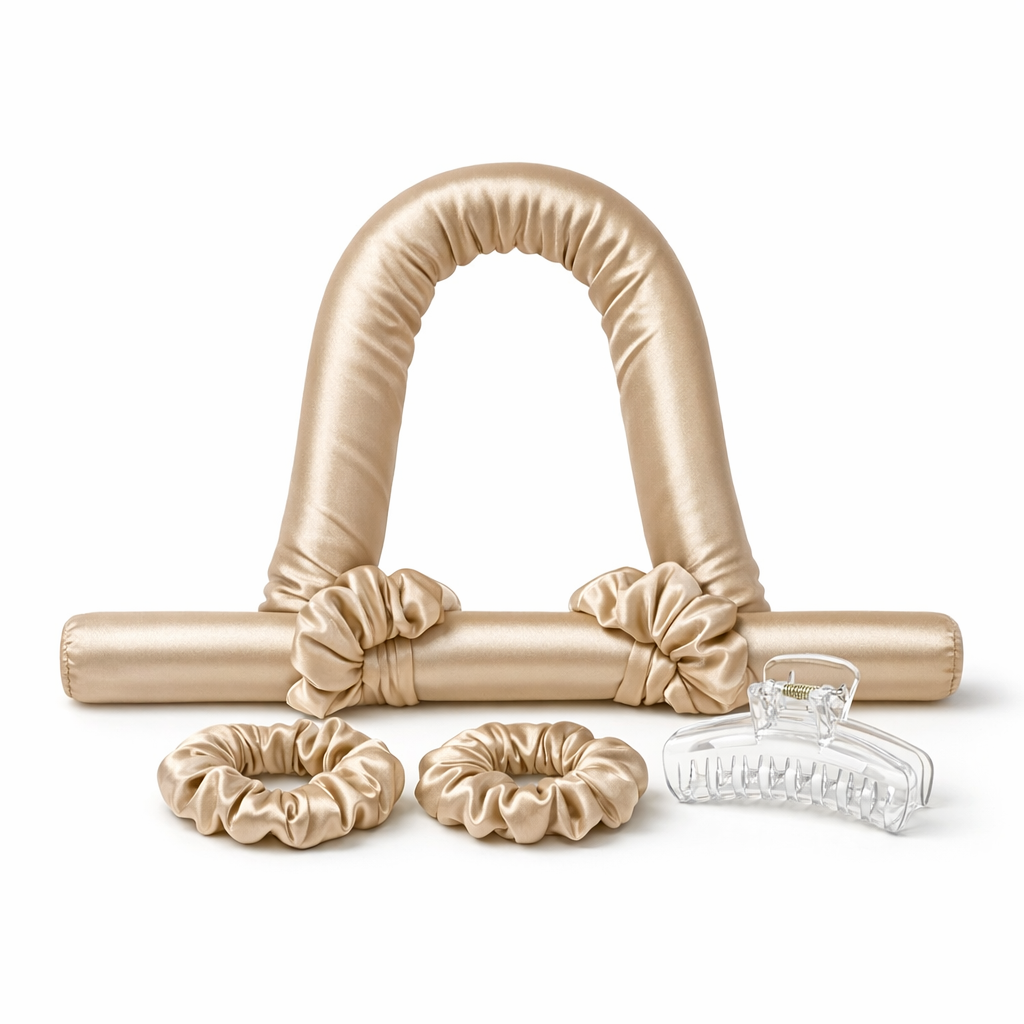
Satin Heatless Curling Rod
It is not the tool for sharp, identical curls or major root volume; it is the tool for gentler waves that look easy rather than over-styled.
You might also like: How to Use Straighteners for Soft Waves on Fine Hair.