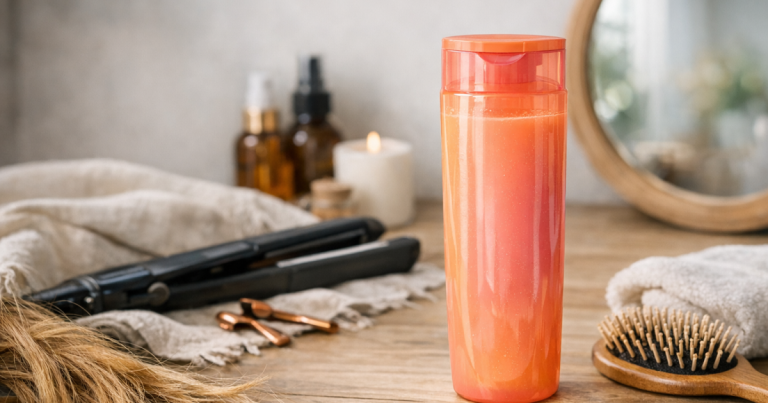
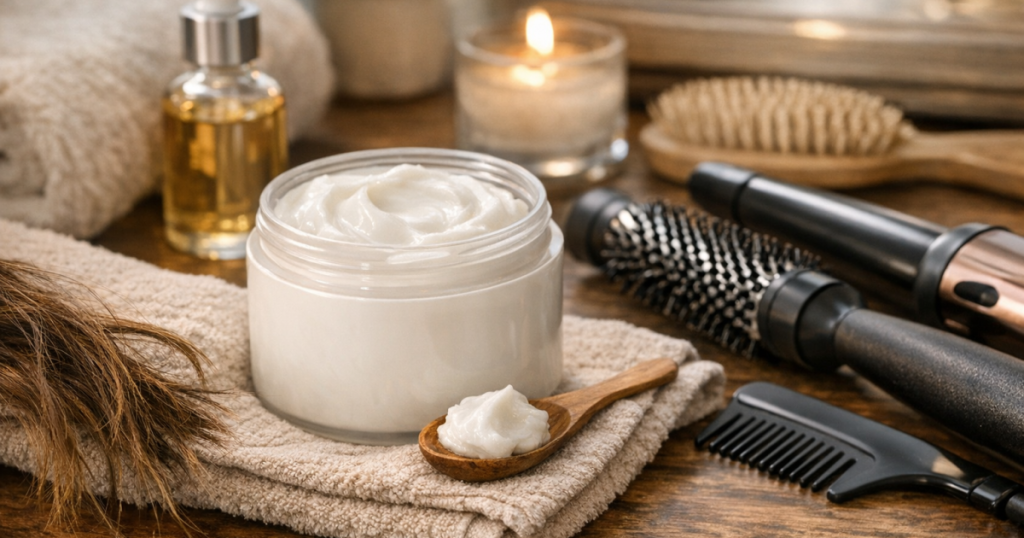
If your ends feel stretchy when wet, rough when dry, or keep snapping around the front pieces, a conditioning mask can feel like a gamble: too light does nothing, too rich leaves hair flat. This Philip Kingsley Elasticizer review focuses on the original pre-shampoo treatment and whether it earns a place in a routine built around blow-drying, straightening, hot brushes or occasional curling.
The quick verdict: Philip Kingsley Elasticizer is a strong choice for hair that has lost softness, flexibility and manageability from regular heat styling. It is not a miracle repair treatment for split ends, and it is not a heat protectant, but it can make fragile-feeling lengths behave better before you reach for styling tools.
What to know first
Elasticizer makes the most sense when your hair feels dry, rigid or prone to snapping during detangling. Think of it as a cushioning, elasticity-focused treatment rather than a styling product. You use it before shampooing, rinse it away, then continue with your normal wash routine.
That pre-shampoo format is the main difference from many masks. It can suit people who dislike heavy post-wash treatments because the richer feel is washed out before conditioner and styling. Fine hair may appreciate that; very coarse, porous or bleached hair may still want conditioner afterwards.
For a heat-styled routine, the biggest question is not whether it makes hair feel instantly silky in the shower, but whether it leaves the mid-lengths and ends more pliable once dry. That pliability matters because brittle hair is more likely to catch on brushes, puff up under hot air, or snap when wrapped around rollers and heated tools.
Product overview
Philip Kingsley Elasticizer is a rinse-out, pre-shampoo conditioning treatment designed to improve the feel of elasticity, softness and moisture in the hair fibre. It is especially popular with people whose hair has become dull, frizzy-feeling or difficult to smooth after colouring, bleaching, sun exposure or frequent heat styling.
The original product sits in the “treatment” part of a routine, not the finishing or protection stage. That distinction matters. It may help your hair feel more supple before styling, but you still need a suitable heat protectant when using straighteners, tongs, a hot brush or a hairdryer. If your current issue is that every tool gives you a different result, it is worth understanding the difference between lift, shape, smoothness and hold, because a conditioning treatment cannot replace the job of the right styling method.
It is also not a bond-repair treatment in the way many shoppers now use that phrase. If your hair is heavily bleached, chemically processed or breaking close to the root, Elasticizer may improve feel and handling, but it will not reverse structural damage or fuse split ends back together. The most realistic expectation is softer, more flexible, easier-to-detangle hair over repeated use.
Key specs
- Product type: Pre-shampoo conditioning treatment.
- Main use: Improving the feel of elasticity, softness and manageability in dry, stressed or heat-styled hair.
- Routine position: Applied before shampooing, then rinsed out before shampoo and conditioner.
- Hair types: Suitable for many textures, but the amount used and rinse quality matter most on fine, low-density or easily weighed-down hair.
- Heat-styling role: A support treatment, not a heat protectant.
- Formats and variants: Philip Kingsley offers different sizes and some variant versions, so check that you are choosing the original Elasticizer if that is the formula you want.
- Best frequency: Follow the instructions on your pack and adjust according to how your hair feels; overdoing rich treatments can make some hair feel limp.
Pros and cons
Pros
- Helps dry, heat-styled lengths feel more flexible rather than stiff or straw-like.
- Pre-shampoo format is useful if normal masks leave your roots or lengths heavy.
- Works well as a reset treatment before a blow-dry, roller set or smooth style.
- Good fit for hair that tangles, catches or snaps during brushing after washing.
- Can slot into an existing routine without replacing shampoo, conditioner or styling products.
Cons
- It will not repair split ends or undo severe chemical damage.
- Very fine hair can feel too soft or flat if too much is used.
- It adds an extra step before washing, which not everyone will keep up with.
- Results depend heavily on how damaged, porous or product-coated your hair already is.
- You still need separate heat protection before using heated styling tools.
Performance in real use
On heat-styled, snapping lengths
This is where Elasticizer feels most convincing. Hair that has become rough from repeated blow-drying or straightening often needs slip and flexibility before it needs more styling product. Used before a wash, Elasticizer can make the lengths feel less grabby after shampooing, which may reduce the tugging that happens when you detangle damp hair.
The benefit is most noticeable on mid-lengths and ends rather than roots. If your breakage is concentrated around face-framing pieces, apply carefully to those areas without overloading the scalp. Those front sections are often the most exposed to straighteners, brushes, weather and repeated restyling, so they can show improvement in feel before the rest of the hair does.
On fine or easily flattened hair
Fine hair needs a lighter hand. The pre-shampoo format is helpful because you are not leaving the full richness sitting on the hair after styling, but using too much can still make the finished result feel overly soft. For fine hair, concentrate on the driest lower lengths and avoid treating the root area unless it genuinely feels dry.
If you rely on Velcro rollers, hot brushes or a round-brush blow-dry for lift, be careful not to create hair that is beautifully conditioned but too silky to hold shape. A treatment night before a smooth blow-dry makes sense; using a rich treatment immediately before a volume-dependent style may need some experimentation.
On thick, coarse or porous hair
Thick and coarse hair is more likely to appreciate a generous conditioning step, especially if the ends feel wiry or expanded after heat styling. Elasticizer can help with softness and manageability, but coarse hair may still need a conditioner, leave-in or oil afterwards depending on porosity. If your tools often struggle to smooth the surface, our guide to styling tools for thick and coarse hair is a useful next read.
For this hair type, the treatment is best judged after drying rather than while wet. The real test is whether the hair feels more bendable, brushes through more easily and needs less force from a dryer or smoothing tool.
On curls and waves
Curls and waves can benefit when the curl pattern looks frizzy because the hair is dry and rough, not because the styling product lacks hold. Elasticizer may make curls feel softer and less brittle before styling, but it will not define curls by itself. You still need your usual curl cream, gel, mousse or diffuser routine if shape and hold are the goal.
For wavy hair that is easily pulled flat, avoid treating too close to the roots. For tighter curls or coils, sectioning the hair before applying can help distribute the product more evenly without rough handling.
Ease of use and routine fit
The extra pre-wash step is the only real lifestyle drawback. If you wash your hair in a rush, you may not reach for it often enough to see consistent results. It suits people who already plan wash days, deep-conditioning sessions or pre-style prep before an event.
It is also a sensible option if you are trying to reduce heat without giving up polished hair completely. Healthier-feeling lengths tend to need less aggressive brushing, less repeated straightener passes and less emergency smoothing afterwards. That is where Elasticizer fits best: not as a styling shortcut, but as a way to make the rest of your routine gentler.
Who it’s best for / who should skip it
Best for
- Hair that snaps at the ends when brushing, detangling or styling.
- Regular blow-dry, straightener, tong or hot-brush users who want a support treatment between washes.
- Colour-treated or highlighted hair that feels dry, rough or less elastic than usual.
- Fine to medium hair that wants a richer treatment without the heavy finish of some post-shampoo masks.
- Thick or coarse hair that needs extra softness before styling, provided you are happy to layer conditioner or leave-in care if needed.
Skip it if
- Your main issue is split ends that need cutting; no rinse-out treatment can seal them permanently.
- You want a product that protects hair directly from heated tools.
- Your hair dislikes rich conditioning and goes limp very easily.
- You will not realistically add a pre-shampoo step to your wash routine.
- Your breakage is sudden, severe or linked with scalp discomfort; that needs more targeted advice than a cosmetic treatment review can provide.
FAQ
Can Philip Kingsley Elasticizer stop hair snapping?
It can help hair feel softer and more flexible, which may reduce breakage caused by rough detangling or styling tension. It cannot repair split ends or reverse serious chemical damage.
Do I still need heat protectant after using it?
Yes. Elasticizer is a conditioning treatment, not a heat protectant. Use a separate heat protection product before blow-drying, straightening, curling or using a hot brush.
Will it make fine hair greasy?
It can feel too heavy if you use too much or apply it near the roots. Fine hair usually does best with a modest amount through the mid-lengths and ends, followed by thorough rinsing.
Is it better before or after colouring?
Check the instructions on your pack and follow your colourist’s guidance if you colour professionally. As a general routine product, it is most useful when hair feels dry, stressed or less manageable.
How soon will hair feel different?
Many people judge the difference after the first blow-dry because the hair may feel smoother and less tangly. More damaged hair may need repeated use before the improvement feels consistent.
Alternatives
If you like the idea of Elasticizer but your main concern is deeper structural damage from bleaching or chemical processing, Olaplex No.3 Hair Perfector is the more obvious alternative to consider. It has a different purpose, so compare instructions, suitability and how it fits with your current shampoo and conditioning routine rather than treating the two as interchangeable.
If your breakage is mainly coming from daily curling or restyling, a product alone may not be enough. Reducing heat exposure can be more meaningful than adding another treatment, and a heatless set-up may help you keep shape without repeatedly using tongs. For that route, the Mermade Hair heatless curlers review is a relevant next step.
Verdict + score
Philip Kingsley Elasticizer is worth considering if heat styling has left your hair feeling dry, stiff, tangly or prone to snapping through the ends. Its strength is not dramatic repair; it is making stressed hair feel more flexible and easier to handle, which can support a gentler styling routine. Fine hair should use it sparingly, thick or coarse hair may want to pair it with richer leave-in care, and anyone with split ends should still prioritise a trim. For regular at-home stylers who want a protective wash-day step before the tools come out, it earns 8.4/10.
Philip Kingsley Elasticizer
Fine hair should use it sparingly, thick or coarse hair may want to pair it with richer leave-in care, and anyone with split ends should still prioritise a trim.