Straightened hair can look polished for the first hour, then turn dry, fluffy or stiff if the prep underneath is wrong. This GHD Bodyguard Heat Protect Spray review is for anyone who uses straighteners often enough to care about damage, but does not want a heavy, greasy layer sitting on freshly washed hair.
Quick verdict: it is a sensible pre-styling spray for regular heat users who want lightweight protection before straightening. It is not a miracle repair treatment, a smoothing serum or a substitute for lowering heat exposure, but it fits neatly into a healthier straightening routine when used with restraint.
Product overview
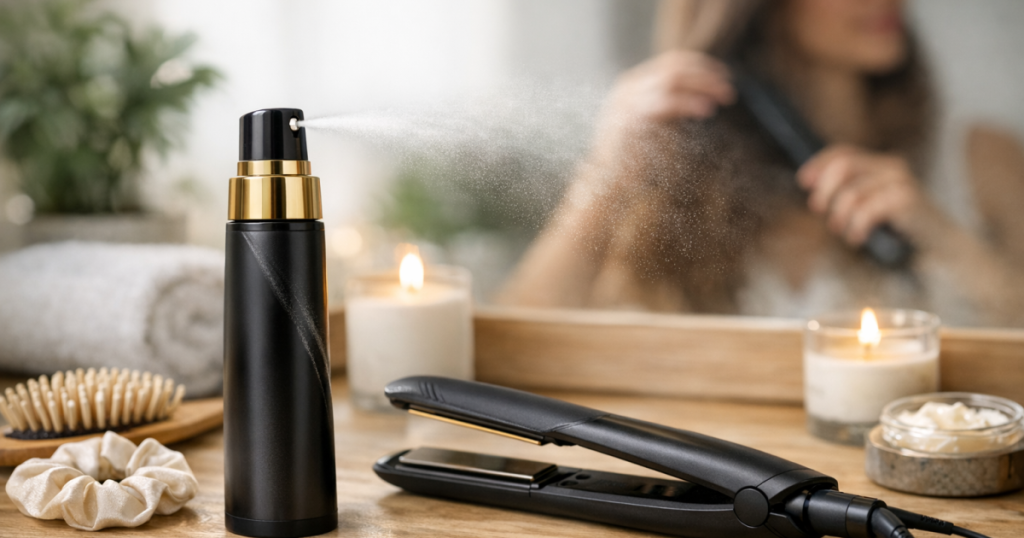
GHD Bodyguard Heat Protect Spray is a heat-protective styling spray designed to be applied before hot-tool styling. Its main job is straightforward: create a preparatory layer before you use straighteners, tongs or a hairdryer, rather than adding hold, shine or texture after styling.
That distinction matters. Many people buy a heat protectant hoping it will also flatten frizz, seal split ends and make straightened hair last for days. A good heat protect spray should help hair feel better protected during styling, but it will not undo existing breakage or make a poor straightening technique suddenly gentle.
The appeal here is the lightweight feel. It is the sort of product that makes most sense before straightening because it can be misted through sections without obviously coating the hair. For fine or medium hair, that is often preferable to creams and oils, which can collapse volume or leave roots looking too polished too soon.
The buying cue is simple: if straighteners are part of your weekly routine, this is worth shortlisting as a prep product. If you straighten only occasionally, or your main issue is hold rather than protection, it may not be the first styling upgrade you need.
Key specs
- Product name: GHD Bodyguard Heat Protect Spray.
- Product type: Heat-protective pre-styling spray.
- Main use: Applied before heated styling, including straightening.
- Hair feel: Designed to be lightweight rather than oily or creamy.
- Best routine placement: After detangling and before section-by-section heat styling.
- What to verify before buying: Current bottle size, ingredient list, fragrance information and usage instructions on the retailer or product packaging.
- What it is not: A bond-repair treatment, deep conditioner, styling gel, hairspray or finishing serum.
Pros and cons
Pros
- Lightweight enough for many fine and medium hair routines, provided it is not over-applied.
- Easy to fit into a straightening routine because it is a spray rather than a cream.
- Useful for people who want a dedicated heat-prep step instead of relying on leave-in conditioner alone.
- Works well conceptually with sectioning, which encourages a more controlled and less repetitive straightening technique.
- Feels more targeted than using an oil before straighteners, which can be too heavy for some hair types.
Cons
- It will not repair existing split ends, bleach damage or snapped face-framing pieces.
- Over-spraying can make fine hair feel coated, even when the formula is lightweight.
- It is not the right product if you are mainly looking for grip, volume or curl hold.
- Anyone sensitive to fragrance or specific styling ingredients should check the current ingredients list before use.
- It still needs good technique; repeated passes with straighteners can undermine the benefit of any protectant.
Performance in real use
Before straightening
The best use case is clean, detangled hair that is ready to be styled in sections. A light mist through the mid-lengths and ends usually makes more sense than soaking the hair. Straighteners should be used only when hair feels dry, because clamping damp hair can be far more stressful on the fibre.
For long hair, sectioning is where the product becomes more useful. Rather than spraying the whole head heavily and hoping for even coverage, work in manageable panels and comb through before straightening. That also reduces the temptation to go over the same piece of hair again and again.
Finish and frizz control
Do not expect a glass-hair finish from this spray alone. Its role is protection first, with any smoothing benefit depending heavily on your hair condition, straightener technique, humidity and finishing products. If your biggest frustration is that hair looks puffy even after styling, it is worth stepping back to decide whether frizz control, definition or volume should come first before adding more products.
On smoother type 1 hair, it is most likely to feel like a clean prep step. On wavy type 2 hair, it can support a sleeker result, but it will not stop all re-expansion in damp weather. On curly and coily type 3 to 4 hair, it should be treated as one part of a broader heat-styling plan that may include careful blow-drying, smaller sections and lower heat exposure where possible.
Fine, thick and colour-treated hair
Fine hair benefits most from restraint. Spray lightly, avoid the roots unless the instructions specifically suit that use, and brush through so the product is not concentrated in one patch. If fine hair goes flat quickly, the issue may not be the spray itself but the amount used and how close it is applied to the scalp.
Thick hair often needs more deliberate sectioning rather than simply more product. Mist each section lightly, comb through, then straighten in slow, controlled passes. The aim is to reduce repeated clamping, not to drench the hair in protection and then use more heat than necessary.
Colour-treated or highlighted hair can feel more vulnerable during straightening, especially through the ends and around the hairline. A heat protectant is a useful habit here, but it should sit alongside conditioning, gentle detangling and realistic styling frequency. If your ends already feel rough before heat touches them, a spray will not make them behave like undamaged hair.
Build-up and wash-day feel
Used lightly, the spray should not be the kind of product that dominates your wash cycle. The more common problem is layering it with oils, creams, serums and hairspray until the hair feels dull. If your straightened hair loses movement, simplify the routine: protectant before heat, then only a small amount of finishing product if needed.
Who it’s best for / who should skip it
GHD Bodyguard Heat Protect Spray is best for regular straightener users who want a dedicated protection step without the weight of a cream. It is particularly sensible for fine to medium hair, shoulder-length to long hair, and anyone who uses heat often but wants their routine to feel cleaner and more controlled.
It can also suit people who are upgrading from a casual routine where heat protection is inconsistent. If you have been relying on whatever leave-in product is already on the shelf, a specific heat protect spray makes the purpose of the prep step much clearer.
You may want to skip it if you rarely use heated tools, prefer fully heatless styling, dislike fragranced styling products, or need a product that adds hold. It is also not the answer if your main styling problem is that curls drop, roots fall flat or your hair needs more texture; those are different styling priorities.
Hair pattern should influence how you judge value. Straight and slightly wavy hair may only need light prep before a quick smooth-through, while tighter curls usually need a more careful plan to reduce tension, dryness and repeated passes. For a broader match between styling tools and curl pattern, use the curl-pattern tool guide for type 1 to 4 hair before deciding how often straightening should sit in your routine.
Alternatives
If your priority is avoiding heat altogether, a heatless routine is the more protective alternative. A satin heatless curling rod, silk hair wrap or Velcro hair rollers can help create shape without putting hot plates directly on the hair. They will not give the same pin-straight finish, but they can reduce how often you reach for straighteners.
If your main concern is flyaways after styling rather than protection before styling, a finishing-focused tool or attachment may be more relevant than another prep spray. That route makes sense when the hair already straightens easily but the surface looks fluffy around the parting or crown.
If your hair needs conditioning more than heat prep, an argan oil hair treatment may be useful on non-straightening days or as part of a wash routine, but oils should be used carefully around hot tools. The key is not to treat every smoothing product as a heat protectant unless the product instructions clearly support that use.
Helpful questions
Can I use it on dry hair before straightening?
Follow the current product instructions, but the important rule is that hair should feel dry before straighteners touch it. If you mist dry hair, give it time to settle and brush through before clamping.
Will it make fine hair greasy?
It can feel too much if over-applied. Fine hair usually does best with a light mist through the lengths and ends, keeping product away from the roots unless your routine genuinely needs it there.
Does it replace conditioner or a hair mask?
No. Heat protect spray is a styling-prep product. Conditioner, masks and leave-in care support softness and manageability, while heat protectant is used immediately around heated styling.
Is it enough for bleached hair?
It is a useful step, but bleached hair often needs a fuller protection plan: gentle detangling, conditioning, careful sectioning and fewer high-heat passes. Do not rely on one spray to offset frequent aggressive styling.
Verdict + score
GHD Bodyguard Heat Protect Spray is worth it before straightening if you want a lightweight, purpose-made prep product and you are realistic about what heat protection can do. It is strongest for regular straightener users with fine to medium hair, or anyone trying to make their hot-tool routine more deliberate and less damaging. It is less compelling if you want hold, repair or a dramatic anti-frizz transformation from one bottle. Score: 8.4/10.
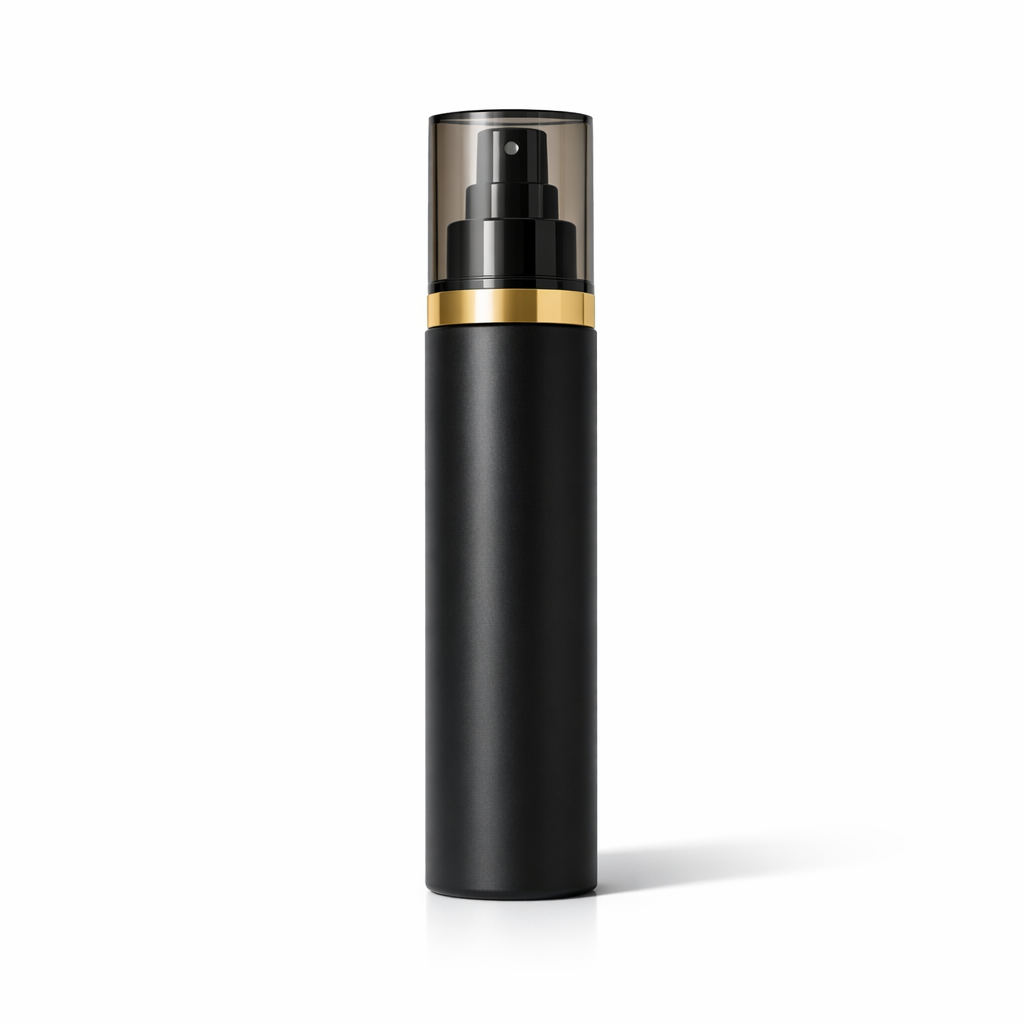
GHD Bodyguard Heat Protect Spray
It is less compelling if you want hold, repair or a dramatic anti-frizz transformation from one bottle.
You might also like: BaByliss Pro Nano Titanium Curling Wand vs BaByliss Pro Curling Wand: Which Suits Your Hair?.