Thick hair can make heatless curlers feel like a promise with a catch: comfortable overnight styling, but only if the rollers can hold enough hair without slipping. This Sleep Styler Heatless Hair Curlers review looks at whether the soft roller format has enough grip, comfort and shaping power for dense hair, or whether it is better kept for looser bends and smoother blow-dry-style movement.
The quick verdict: Sleep Styler is a good idea for anyone who dislikes hard rollers, hot tools or clamp marks, but thick hair needs careful sectioning and realistic expectations. It is more convincing for soft curl, bend and volume than for polished tong-like spirals.
In brief
- Best result: soft, heat-free shape with a cushioned roller feel.
- Biggest thick-hair issue: each roller can only take so much hair before the section becomes too bulky to dry and set evenly.
- Best routine: start with lightly damp hair, use smaller sections, and remove only when the hair feels fully dry.
- Not ideal for: very short layers, very wet hair, or anyone wanting a tight, uniform curl pattern with no styling refinement afterwards.
Product overview
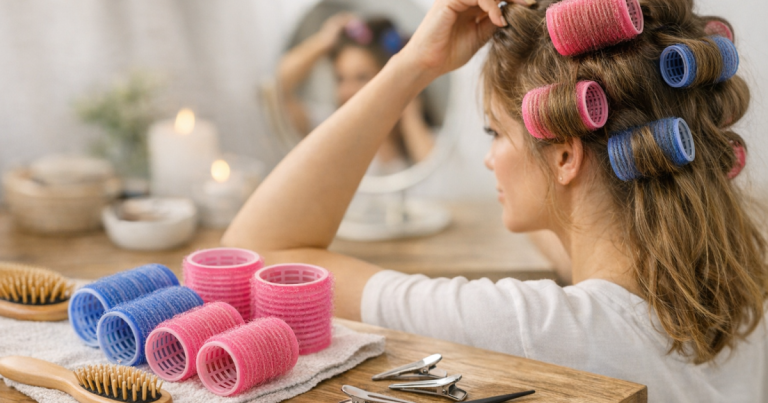
Sleep Styler Heatless Hair Curlers are soft, fabric-covered heatless curlers designed to shape hair while it dries, usually without the heat and clamp tension of curling tongs. Instead of one long satin rod, the set uses individual rollers, which gives more control over placement around the head.
That individual-roller format is the main reason it is worth considering for thick hair. Dense hair often needs more segmentation than fine or medium hair, and separate rollers let you choose where to put lift, bend and curl. The trade-off is time: thick hair usually needs more sections, more careful wrapping and a longer drying window.
The feel is softer than traditional rigid rollers, so it is more sleep-friendly than many old-school sets. However, comfort is personal. Side sleepers, sensitive scalps and anyone with very dense roots may still feel pressure if the rollers are placed too close to the hairline or stacked heavily at the back of the head.
If your main reason for switching is heat reduction rather than a perfect one-pass finish, this product makes sense. If you are moving over from hot tools and worry about losing shape, the transition tips in switching from curling tongs to heatless curls are a helpful next step because section size and setting dampness matter more than the curler alone.
Key specs
- Product type: soft heatless curler set for at-home styling without direct heat.
- Format: individual rollers rather than a single robe-style curling rod.
- Styling method: hair is wrapped around the rollers and left to set as it dries.
- Hair condition for use: best on lightly damp, towel-dried or misted hair, not soaking wet hair.
- Hair length fit: generally more practical on medium to long hair; short layers may be harder to secure neatly.
- Thick-hair check: verify the current pack quantity and roller size before buying, because dense hair usually needs smaller sections.
- Care check: follow the product label for cleaning and drying, especially if you use leave-in conditioners, mousse or styling cream.
Pros and cons
Pros
- Soft roller feel is more comfortable than many firm rollers, particularly for overnight styling.
- Individual placement gives useful control for thick hair, layered hair and root-volume placement.
- No hot barrel, clamp or direct heat exposure, which makes it a gentler option for frequent styling.
- Can create a softer, more natural finish than traditional tong curls when brushed or finger-shaped carefully.
- Works well as part of a low-heat routine for hair that is prone to dryness, frizz or heat fatigue.
Cons
- Thick hair needs more sections than the product may appear to require at first glance.
- If sections are too large, the inner hair may stay damp and the curl can drop quickly.
- The result is less predictable than a curling tong, especially around layered ends.
- Sleeping comfort depends heavily on placement and pillow position.
- It may not give enough tension for very coarse, resistant hair unless paired with good prep and full drying time.
Performance in real use
Fit and section control on thick hair
For thick hair, the winning move is to treat Sleep Styler as a sectioning tool, not a shortcut. Large chunks of hair wrapped around one roller are unlikely to set evenly. Smaller sections give the hair more surface contact, reduce slipping and help the shape travel through the mid-lengths rather than sitting only at the ends.
Very dense hair may need a more strategic layout: smaller sections around the face, slightly larger sections through the underlayers, and a separate plan for the crown if you want volume. If your hair is both thick and long, expect the wrapping process to take a little patience. The result can be pretty, but it is not a throw-it-in-and-hope product for heavy hair.
Comfort overnight
The soft build is the main comfort advantage. Compared with hard rollers, it feels less rigid against the scalp and pillow. That said, comfort improves dramatically when the rollers sit away from pressure points. Keep the largest or firmest-feeling sections away from the area you sleep on, and avoid pulling the roots tight just to make the roller feel secure.
For restless sleepers, a silk hair wrap or smooth pillowcase can help reduce friction while the rollers are in place. The aim is not to compress the curls flat, but to stop loose ends from rubbing and frizzing before the set has dried.
Curl finish and hold
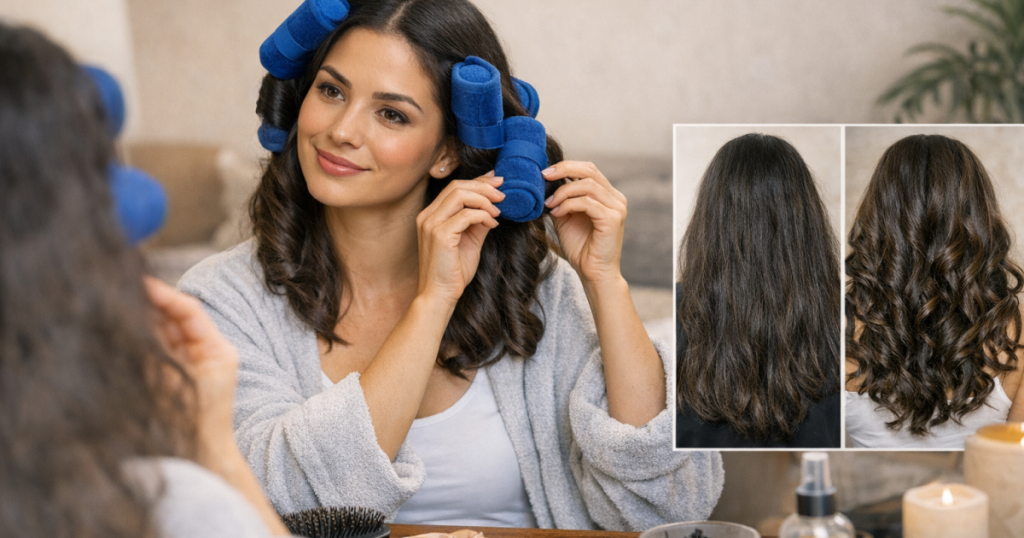
Sleep Styler is better for a soft, romantic curl than a sharply defined ringlet. On thick hair, the finish often looks more like a bouncy blow-dry or loose roller set, especially if the hair is brushed through. That is not a flaw if you prefer movement over obvious spirals, but it matters if your benchmark is a tonged curl.
Hold depends on hair texture, styling prep and dryness. Fine-but-thick hair may take the shape quickly but lose volume if overloaded with product. Coarse or low-porosity thick hair may need more time to dry fully and may respond better to a light styling lotion or mousse than to heavy oils before setting. Save heavier shine products for the ends after removal if your hair collapses easily.
Frizz and flyaways
Because the rollers rely on wrapping and drying, frizz control starts before you put them in. Detangle first, smooth each section as you wrap, and keep the ends tucked neatly. Thick hair with shorter layers can spring out of place, so do not rush the final few centimetres of each section.
After removal, use fingers before a brush. Pulling a brush through too early can turn a soft set into puffiness, particularly on wavy or coarse hair. A tiny amount of smoothing cream or lightweight oil through the ends can polish the finish without flattening the shape.
Durability, care and value
With any fabric-covered heatless curler, build-up is the maintenance issue to watch. Styling creams, scalp oils and leave-ins can transfer onto the rollers over time, so cleaning guidance matters. Check the product’s care instructions rather than guessing, and let the rollers dry fully before storing them.
Value is strongest if you will use them regularly and like a relaxed, heat-free finish. If you only curl your hair for occasional events and want a very polished look, you may find the learning curve frustrating. Thick hair can get good use from the format, but only if you are willing to section properly.
Who it’s best for / who should skip it
Sleep Styler is best for medium to long thick hair that can hold a bend once dry. It also suits people who want less heat in their routine, prefer a soft roller feel and like curls that look lived-in rather than overly uniform.
It is a particularly good match for thick hair with natural wave, because the rollers can encourage shape without fighting the hair’s existing pattern. Thick, straight hair can still use it, but may need more prep, smaller sections and longer setting time to avoid a weak curl.
Skip it if your hair is extremely short, if your layers fall out of rollers easily, or if you need a sleek, event-ready curl in a predictable time frame. Very coarse, resistant hair may also find the result too soft unless the hair is set carefully and allowed to dry completely.
Hair length changes the experience more than many people expect. If you are unsure whether your current cut is better suited to rollers, rods or another tool shape, the guide to how hair length changes tool choice by hair type explains the trade-offs clearly.
Alternatives
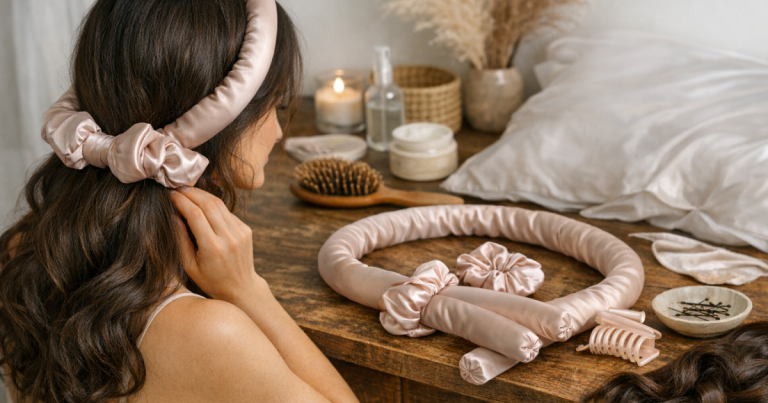
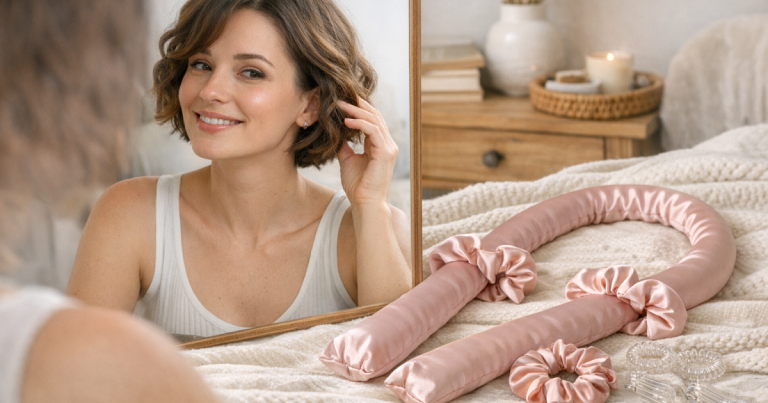
If Sleep Styler feels too section-heavy for your routine, a single satin-style curling rod can be simpler for long hair that only needs loose waves. It gives less individual placement control, but it is often quicker to wrap and easier to sleep in because there are fewer separate pieces around the head.
If your issue is clamp marks rather than all-over curl control, The Curler by The Hair Edit is worth reading about as a softer shaping option. The review of The Curler by The Hair Edit looks at whether it creates soft heatless shape without the dents that some tools leave behind.
Things readers ask
Are Sleep Styler Heatless Hair Curlers good for very thick hair?
They can be, but only with small enough sections. Very thick hair wrapped in large pieces may not dry fully, which usually means softer shape and faster drop.
Should hair be wet or dry before using them?
Lightly damp is usually the safest starting point for shape. Soaking wet hair can stay damp inside the roller for too long, while completely dry hair may not set as noticeably.
Can they replace curling tongs?
They can replace tongs for relaxed curls, bend and everyday movement. They are less suitable if you want identical curls, strong root-to-end definition or a fast last-minute style.
How do you stop thick hair going puffy after removal?
Let the hair dry fully, unwrap gently, separate with fingers first and only smooth the outer layer. Brushing immediately can expand the set before the curl has settled.
Verdict + score
Sleep Styler Heatless Hair Curlers are a clever, comfortable heatless option, and they make the most sense for thick hair when you are prepared to section carefully. They are not the most effortless route for dense hair, and they will not mimic a hot tong with total precision, but they can give soft curl, bend and volume with less heat reliance. For thick hair, the honest score is 8.1/10.
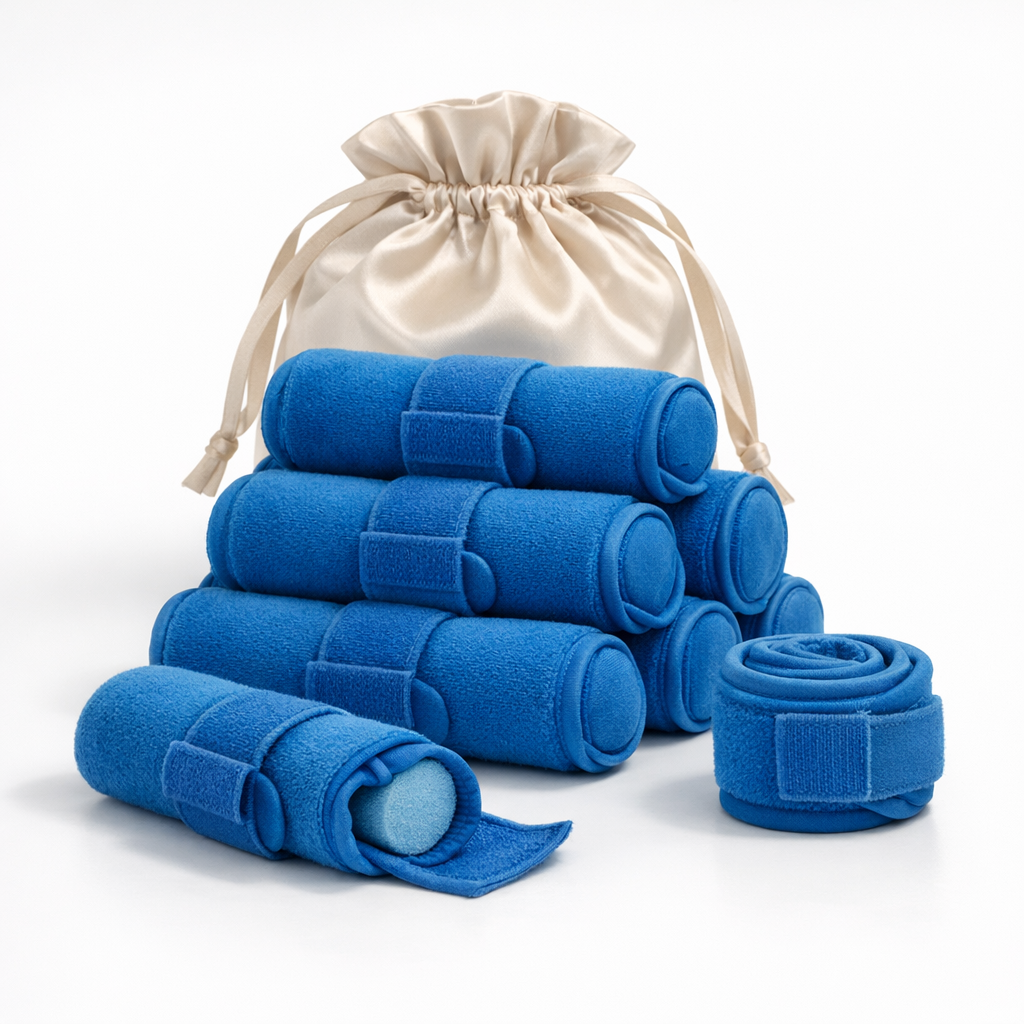
Sleep Styler Heatless Hair Curlers
They are not the most effortless route for dense hair, and they will not mimic a hot tong with total precision, but they can give soft curl, bend and volume with less heat reliance.