Second-day hair can look great at the lengths and flat at the roots, which is why knowing how to refresh second-day waves is so useful. The aim is not to restyle every strand; it is to reactivate shape, reduce frizz and add lift only where the hair has collapsed. Work in small sections and choose the least disruptive method for your hair type.
The short version
- Check what needs fixing first: oily roots, stretched-out bends, frizzy ends or flattened face-framing pieces.
- Mist only the sections that have lost shape; soaking all your hair can make waves limp and puffy.
- Fine hair usually needs less water, less product and more root attention.
- Thick, coarse or porous hair often needs a little more moisture before scrunching.
- Let the hair dry fully before touching it again, otherwise the wave pattern can drop.
Work out what went wrong overnight
Before reaching for a spray bottle or styler, look at where the wave has changed. Second-day hair rarely needs the same fix all over. Roots may be oily while the ends are dry. One side may be flatter because you slept on it. The underneath layer may still be defined while the top has frizzed.
If the roots are the issue, start there and leave the lengths alone until you have restored lift. If the wave pattern has stretched, use a small amount of moisture and reshape by hand. If the ends have gone fluffy, you need smoothing and definition rather than a full wet refresh.
Once you can refresh second-day waves by problem area rather than habit, the result looks more natural and lasts longer. It also helps you avoid the classic mistake of adding too much product to hair that only needed a quick root reset.
Step 1: bring back root lift first
Flat roots make even well-defined waves look tired, so start with lift before you add moisture to the lengths. If your scalp feels oily, apply dry shampoo only at the roots, wait a minute, then massage gently with fingertips. Batiste Original Dry Shampoo is a familiar example of this type of product, but the right choice depends on your hair colour, scalp comfort and whether you prefer a scented or less noticeable finish.
For fine or low-density hair, avoid brushing dry shampoo through the full length. It can make the ends look dusty and reduce shine. Instead, lift 5 cm to 10 cm sections around the crown, apply at the root, let it settle, then shake the hair out with your fingers.
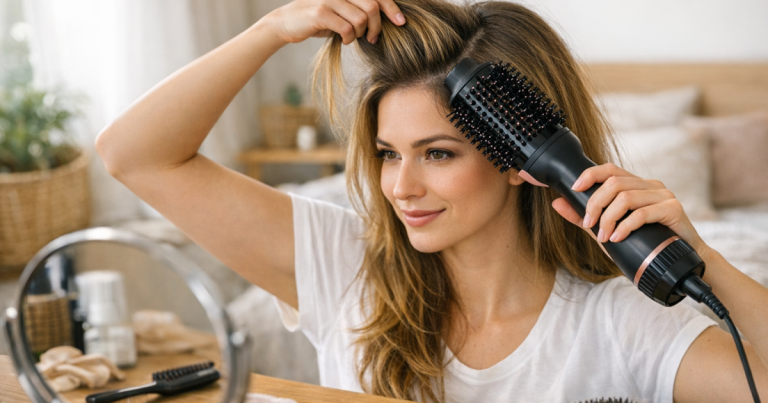
If the front section has fallen forward or separated, use a cool blast from a dryer or a warm tool only at the root area. Keep tension light and direct the hair away from the face. For a more detailed technique, the same principles used to use a hot brush without losing root volume can help when your waves need lift rather than a full restyle.
Step 2: mist the right way
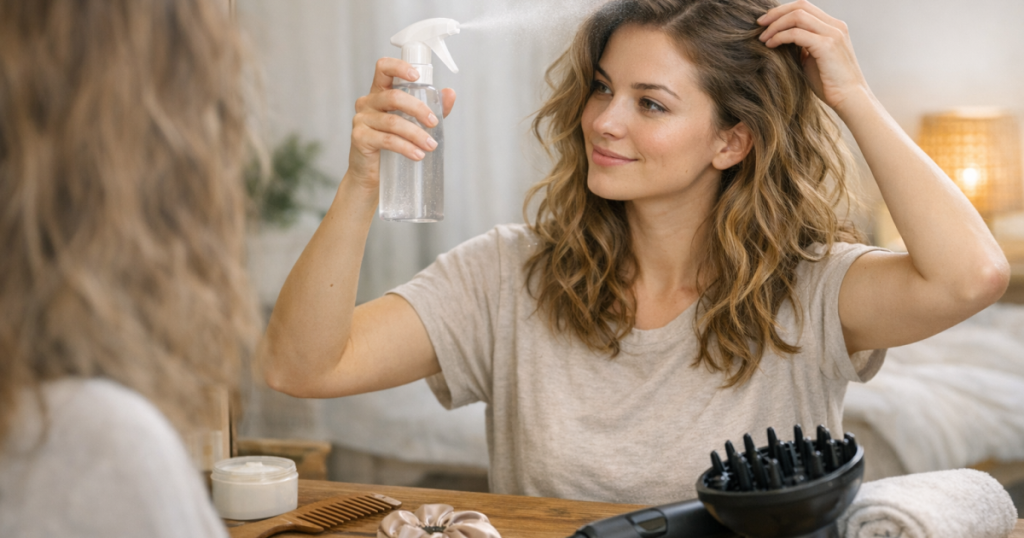
Water reactivates many styling products, but too much water can collapse waves, especially on fine hair. Use a fine mist spray bottle and dampen only the pieces that look stretched or misshapen. The hair should feel lightly damp, not wet.
For fine waves
Mist from a distance, then scrunch upwards with empty hands before deciding whether you need product. Fine hair can look stringy if you layer cream, oil and spray over yesterday’s styling. If the ends feel dry, rub a tiny amount of lightweight leave-in or styling spray between your palms first, then glaze it over the surface before scrunching.
For medium waves
Use water on the mid-lengths and ends, then scrunch with a small amount of foam, curl spray or wave spray if the shape needs support. A product such as John Frieda Frizz Ease Dream Curls Daily Styling Spray is an example of a refresh-style spray, but check that any formula suits your texture and does not leave your hair feeling coated.
For thick, coarse or porous waves
These textures can usually handle more moisture, but they still do better with targeted dampening. Smooth damp hands over the outer layer first, then scrunch from the ends upwards. If the hair feels rough, use a small amount of cream or leave-in on the frizziest areas only. Oils can add softness, but too much near the root will make the refresh look heavy.
Step 3: reshape waves without making them crunchy
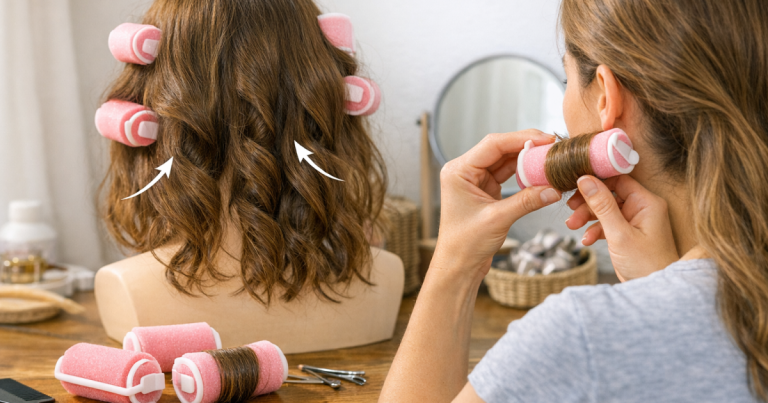
Once the hair is lightly damp, choose a reshaping method that matches the wave pattern you want back. Scrunching is useful when the whole section has softened. Finger-twisting is better when individual pieces have gone straight. Clipping is useful near the crown when the roots need height while the lengths dry.
- Loose, beachy waves: scrunch upwards with a microfibre towel or cotton T-shirt, then leave the hair alone while it dries.
- Defined S-waves: wrap the flat pieces loosely around one or two fingers, hold for a few seconds, then release without pulling.
- Face-framing bends: dampen the front pieces lightly, direct them away from the face, then secure with clips or a roller while you get ready.
- Frizzy top layer: smooth damp palms over the surface, then scrunch underneath so the top does not become puffy.
If you like a textured finish, a wave spray such as Bumble and bumble Surf Spray is one example of a grippy styling product. Use this type of product sparingly on second-day hair, because salt-style texture can make dry ends feel rough if layered too heavily.
Step 4: dry the refresh fully
The drying stage matters more than most people think. Hair that is touched while damp often turns frizzy or loses its bend before it has set. After misting and reshaping, choose one drying method and let it finish properly.
- Air-drying: best for low-frizz hair, soft waves and minimal product routines. Keep your hands out until the hair feels completely dry.
- Diffusing: useful for thicker waves, higher humidity days or hair that expands as it dries. Use low airflow and cup the ends gently.
- Cool root lift: helpful when the lengths look fine but the crown has collapsed. Lift sections at the root and direct air underneath.
- Clip-setting: useful around the parting or fringe. Remove clips only when the hair is dry to avoid dents.
If your curtain fringe or front layers are the main problem, a single roller can be more effective than refreshing your whole head. The technique used to set curtain bangs with Velcro rollers works well when the rest of your waves still look good but the front has dropped or split.
Quick fixes for common second-day wave problems
My roots are oily but my ends are dry
Treat them as two separate zones. Use dry shampoo or a light root refresh at the scalp, then smooth the ends with damp hands and a tiny amount of leave-in. Do not drag root product through the dry lengths.
One side has gone flat
Mist only that side, scrunch from the ends, then clip the top layer away from the face while it dries. If the flat side is always the one you sleep on, try a looser overnight style or a silk hair wrap to reduce friction.
My waves look frizzy but not dirty
Skip dry shampoo. Frizz without oil usually needs moisture, not powder. Smooth damp palms over the outer layer, scrunch gently, and allow the hair to dry untouched.
My hair feels coated
A refresh will not always fix product build-up. Use only water on the lengths, avoid extra stylers, and plan to cleanse properly at your next wash. Adding more product can make the waves look dull and stiff.
Make the next refresh easier
The best second-day result usually starts the night before. Let the hair cool and dry fully before bed, then protect the shape rather than tying it tightly. A loose pineapple, satin scrunchie, silk hair wrap or soft bonnet can reduce friction and help the wave pattern survive until morning.
Fine hair needs a particularly light touch. Heavy creams, oils and strong hold products can make day two look flat even when day one was bouncy. If your waves drop quickly, the guidance on how to make heatless curls last on fine hair is also useful for choosing lighter prep, better setting time and a gentler overnight routine.
If you know your hair loses shape easily, set only the vulnerable sections before bed. A couple of Velcro rollers at the crown, a satin heatless curling rod through the front layers, or loose twists at the ends can refresh the silhouette without creating a completely different style by morning.
Common questions
Can I refresh waves with just water?
Yes, if your existing styling product reactivates well and your hair is not very frizzy. Use a fine mist and scrunch lightly. If the waves dry fluffy or weak, add a small amount of foam, spray or leave-in next time.
Should I brush second-day waves before refreshing?
Only brush if you want a softer, brushed-out look or need to detangle. For definition, use fingers first. Brushing can break up the wave pattern and create extra frizz, particularly on porous or highlighted hair.
How do I refresh waves after exercise?
Let the scalp cool and dry first, then use dry shampoo at the roots if needed. Mist the lengths separately and reshape with scrunching or finger-twisting. Avoid adding cream near the scalp if it already feels warm or oily.
Why do my refreshed waves fall flat within an hour?
The hair may be too wet, too heavy with product, or not fully dry before you touch it. Fine hair often needs less refresh product and more root support. Thick hair may need longer drying time for the new shape to set.
Can I use heat on second-day waves?
You can use controlled heat on specific areas, such as roots, fringe pieces or a few flat sections. Keep it targeted rather than restyling the whole head, and use your usual heat protection if the tool contacts the hair directly.
Final thoughts
Refreshing second-day waves is about restraint: fix the root, revive the flat pieces, calm the frizz and leave the sections that still look good. The most successful routine is rarely the most product-heavy one. Start with water, hands and root lift, then add styling product only where the hair genuinely needs help.
With a little section-by-section judgement, second-day waves can look intentional rather than rescued, and you can stretch your style without automatically reaching for a full rewash.