Dry, fluffy lengths can make even a good at-home style look unfinished, especially once UK weather adds drizzle, central heating or humidity into the mix. This Moroccanoil Hydrating Shampoo review looks at whether the formula gives enough softness and polish to justify its salon-style positioning, or whether it is better treated as a targeted wash-day upgrade rather than an everyday essential.
Quick verdict: it is a good fit for normal to dry hair that wants a smoother, glossier feel without moving into a heavy mask-like routine. It is less convincing for very oily roots, fragrance-sensitive scalps or anyone expecting a shampoo alone to repair damaged lengths.
Product overview
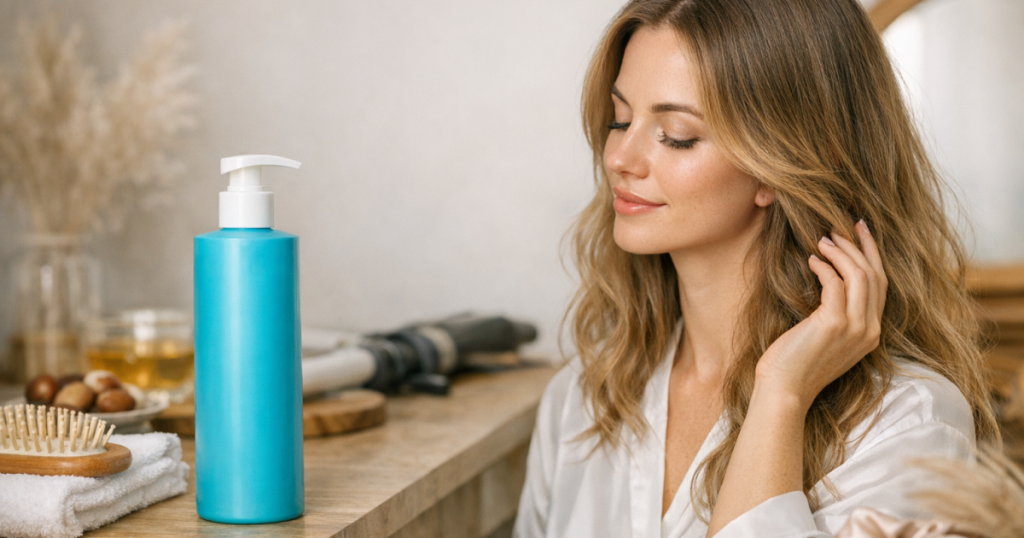
Moroccanoil Hydrating Shampoo is a rinse-out cleanser from Moroccanoil’s hair care range, designed for hydration rather than clarifying or volume-building. The brand is strongly associated with argan oil and a polished, salon-finish feel, and this shampoo sits neatly in that lane: softening, smoothing and making hair feel more manageable after washing.
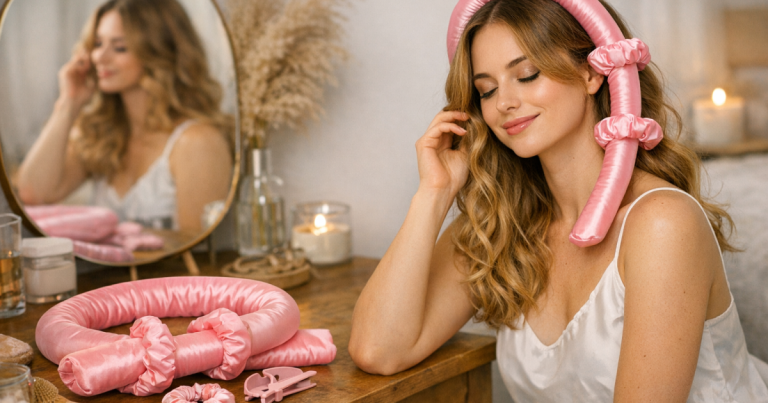
The most important thing to understand is that this is not a styling tool and it will not create waves, curls or volume on its own. Its role is earlier in the routine. If your lengths feel rough before you reach for a heatless curler, diffuser or tong, a more conditioning shampoo can make styling feel easier because the hair has better slip and less obvious surface frizz.
That said, a hydrating shampoo is still a cleanser. It needs to clean the scalp well enough without leaving the roots feeling coated. On balanced or slightly dry scalps, this is where the product makes most sense. On roots that become greasy by the next morning, it may feel more like an occasional smoothing wash than the shampoo you reach for every time.
Key specs
- Product type: hydrating shampoo for at-home washing.
- Brand: Moroccanoil.
- Best-matched hair feel: normal, dry, coarse, frizz-prone or heat-styled lengths that need more softness.
- Use stage: cleanse first, then follow with conditioner, leave-in care or styling as needed.
- Texture and finish: creamy-feeling, salon-style cleanse with a smoothing, polished result rather than a squeaky-clean finish.
- Fragrance: Moroccanoil products are known for a noticeable signature scent; check in person where possible if you are sensitive to fragrance.
- Colour-treated hair: the brand positions this shampoo for gentle cleansing, but always verify the current bottle label and ingredient list if colour maintenance is your priority.
- Buying note for GB shoppers: bottle sizes, multipacks and salon bundles vary by UK retailer, so compare the amount of product and the returns policy before judging value.
Pros and cons
Pros
- Leaves dry lengths feeling softer and more pliable, which can make brushing and styling easier.
- Works well as a pre-styling wash when you want a smoother blow-dry, softer heatless waves or a neater air-dry.
- Feels more luxurious than many basic supermarket shampoos, particularly if you enjoy a noticeable salon fragrance.
- Useful for hair that looks dull or slightly rough after regular heat styling.
- Pairs naturally with conditioning treatments, oils or curl-setting routines because it does not aim for a stripped-back finish.
Cons
- May feel too rich at the roots if your scalp becomes oily quickly.
- The fragrance is part of the appeal for many users, but it will not suit everyone.
- It is not a clarifying shampoo, so it is not the best choice for heavy product build-up.
- Very fine hair may need careful conditioner placement afterwards to avoid a flat finish.
- It cannot reverse split ends, bleach damage or breakage; it mainly improves the feel and manageability of the hair surface.
Performance in real use
Cleansing feel: This is best approached as a comfort cleanse rather than a reset cleanse. It is the kind of shampoo that suits a routine where the hair feels dry through the mid-lengths and ends, but the scalp does not need aggressive oil removal. If you use lots of mousse, hairspray, dry shampoo or heavy curl creams, you may still want a separate clarifying wash occasionally.
Softness and slip: The strongest everyday benefit is the smoother feel it can give after rinsing and conditioning. Hair that usually catches when brushed may feel more cooperative, though the result still depends on your conditioner, towel-drying method and detangling tool. For knot-prone hair, pairing a gentler wash routine with a careful brush technique matters just as much as the shampoo itself.
Frizz control: It can help reduce the rough, fluffy look that comes from dryness, but it should not be mistaken for a humidity shield. If your hair swells in damp weather, you will still need styling products or a protective finishing step. For heatless curls, the smoother starting point is useful because the finished curl pattern tends to look less frayed at the ends.
Fine hair: Fine hair can use this shampoo, but placement and follow-up matter. Concentrate shampoo at the scalp, rinse thoroughly, then keep conditioner mainly from the ears down. If your hair collapses easily at the crown, this may be better before sleek styles or soft waves than before a big-volume roller set.
Thick, coarse or wavy hair: This is the most natural match. Hair with more density often benefits from a richer-feeling wash because the lengths can take more conditioning without looking limp. It is particularly useful before diffusing waves, wrapping hair overnight or trying polished bends with a large-barrel tong.
Curly hair: Curls that need moisture and definition may enjoy the softness, but curl routines are highly dependent on the conditioner and styler that follow. If your curls prefer very lightweight cleansing, use this selectively. If your curls become frizzy because the hair is dry and rough, it is more likely to earn a place in rotation.
Scalp comfort: A hydrating shampoo is not automatically right for every scalp. If you are prone to irritation, itchiness or reactions to scented products, read the current ingredient list carefully and consider testing cautiously. If your scalp is persistently sore, flaky or inflamed, a beauty shampoo is not a substitute for appropriate scalp care advice.
Value: The value depends heavily on how often you wash and whether you genuinely notice a better finish. Used every wash, it may feel like a premium habit. Used strategically before heat styling, heatless curls or important hair days, it is easier to justify because the softness can improve the rest of the routine.
Who it’s best for / who should skip it
Best for
- Normal to dry hair that feels rough after washing.
- Medium to thick hair that needs softness before styling.
- Frizz-prone lengths that look more polished when the wash routine is conditioning.
- People who like the Moroccanoil scent and want a salon-style feel at home.
- Heat-styled hair that needs a smoother base before blow-drying, curling or wrapping overnight.
Skip it if
- Your roots become oily very quickly and you prefer a light, fresh scalp feel.
- You dislike strongly scented hair products.
- You need a clarifying shampoo for build-up from styling products.
- Your main goal is root lift or airy volume rather than softness.
- You are trying to solve breakage or severe damage with shampoo alone.
Alternatives
Not every dryness problem needs a richer shampoo. If your lengths feel dull mainly after styling, a finishing product may be a more targeted swap. Our Moroccanoil Argan Oil Hair Treatment review is a useful next read if you want gloss and softness on the ends without changing your wash-day cleanser.
If the issue is tugging, snapping or knots after washing, the tool you use on damp hair can make a bigger difference than switching shampoo again. The Wet Brush Original Detangler review covers where a flexible detangling brush helps and where it still has limits.
If you specifically want another shampoo instead, compare current labels from real alternatives such as Pureology Hydrate Shampoo or Kérastase Nutritive Bain Satin against your hair type, scalp needs and fragrance preference. Do not assume that all “hydrating” shampoos feel the same; some are lighter, some are richer, and some suit colour-treated hair routines better than others.
FAQ
Is Moroccanoil Hydrating Shampoo good for fine hair?
It can be, but fine hair should use it carefully. Rinse thoroughly and avoid pairing it with very heavy conditioner at the roots if you want to keep lift.
Can it help with frizz?
It can make dry frizz look softer and less rough, but it is not a complete anti-humidity product. Styling technique and finishing products still matter.
Is it suitable before heatless curls?
Yes, particularly if your ends usually look fluffy or dry. A smoother wash-day base can help heatless curls sit more neatly and feel less tangled when unwrapped.
How often should you use it?
Use it as often as your scalp and lengths like it. For oily roots, it may work best as an occasional smoothing shampoo rather than every wash.
Does it replace conditioner?
No. It is a shampoo, so most dry, wavy, curly or colour-treated hair will still need conditioner through the mid-lengths and ends.
Verdict + score
For this Moroccanoil Hydrating Shampoo review, the deciding factor is hair type. On dry, medium to thick or frizz-prone lengths, it gives the kind of soft, polished wash-day feel that makes later styling easier. On oily, very fine or fragrance-sensitive hair, it is more of a selective product than a default cleanser. It earns 8.1/10 for smoothing performance, ease of use and salon-style finish, with marks held back for scalp versatility and the fact that it is not a build-up remover or damage fix.
Moroccanoil Hydrating Shampoo
On oily, very fine or fragrance-sensitive hair, it is more of a selective product than a default cleanser.
You might also like: How to Use a Silk Curling Ribbon on Layered Hair.