This Moroccanoil Argan Oil Hair Treatment review is for anyone whose blow-dry looks expensive at first, then starts to puff, separate or lose shine by lunchtime. A finishing oil can be the missing step between styled hair and polished hair, but it can also flatten fine lengths if you use too much.
Quick verdict: Moroccanoil Argan Oil Hair Treatment is a reliable smoothing and glossing product for dry, coarse, coloured, frizz-prone or frequently heat-styled hair. It is less of a miracle repair treatment than a cosmetic finisher with conditioning benefits, so the best results come from using a small amount in the right place, rather than treating it like a mask or leave-in cream.
Product overview
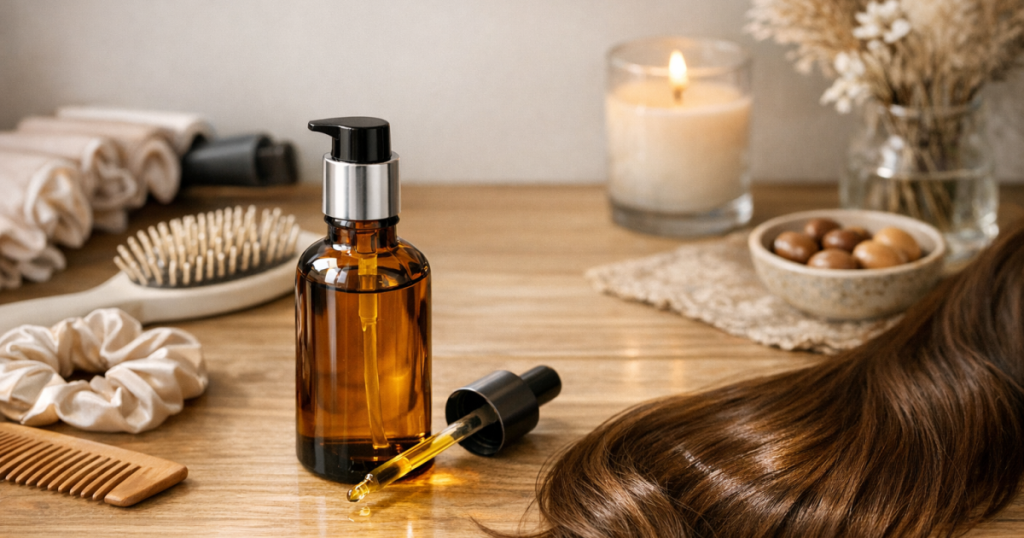
Moroccanoil Argan Oil Hair Treatment sits in the serum and hair-oil category, but it behaves more like a styling finisher than a deep treatment. The appeal is simple: it helps hair look smoother, shinier and more controlled after blow-drying, tonging, brushing out curls or refreshing ends between washes.
The texture is richer than a watery serum, so a tiny amount goes a long way. On medium to thick hair, it can add a soft, light-reflective finish without making the hair look stiff. On fine or low-density hair, it needs a more careful hand: think fingertips lightly glossed, not a full pump dragged through the mid-lengths.
It is particularly relevant for readers who use heated tools at home, because heat-styled hair often looks best when the cuticle appears smooth and the ends look sealed. That said, this product should not be treated as a guaranteed substitute for a dedicated heat protectant unless the current packaging you buy clearly says it offers that function. Always check the label and instructions on the bottle you are purchasing, as product names, variants and claims can differ by retailer.
Key specs
- Product type: Hair oil-serum treatment and styling finisher.
- Brand: Moroccanoil.
- Main use: Smoothing frizz, adding shine, softening the look of dry ends and finishing styled hair.
- Hair type fit: Best suited to medium, thick, coarse, dry, coloured or frizz-prone hair; usable on fine hair only in very small amounts.
- How to use: Apply sparingly to damp mid-lengths and ends before styling, or smooth a trace over dry hair as a finishing step.
- What to verify before buying: Bottle size, pump format, ingredient list, whether you are buying the classic version or a lighter variant, and any current styling claims on the UK retailer listing.
- Routine compatibility: Works well after blow-drying, hot brushing, curling tong styling and heatless curl brushing-out, provided you avoid the roots.
Pros and cons
Pros
- Adds visible shine quickly, which is useful when hair looks dull after heat styling or air-drying.
- Helps smooth fluffy ends and surface frizz without needing to restyle the whole head.
- Works as a finishing step for blow-dries, brushed-out waves and sleek ponytails.
- Feels more polished than many very lightweight sprays on coarse or porous hair.
- A little product is enough for most users, so it suits measured, targeted application.
Cons
- Can weigh down fine, soft or low-density hair if applied too close to the roots.
- Not a replacement for a proper repair routine if your hair is snapping, mushy or severely over-processed.
- The richer feel will not suit everyone who prefers barely-there serums.
- Easy to overapply, especially when using it on dry hair after styling.
- Buyers need to check the exact variant and current label claims rather than assuming every Moroccanoil bottle does the same job.
Performance in real use
On freshly washed hair, the best approach is to apply a very small amount from mid-lengths to ends before drying. For shoulder-length hair of medium thickness, start with less than you think you need, warm it between your palms, then press and rake lightly through the driest areas. The product is most flattering when it is distributed thinly; concentrated patches can make the hair look separated rather than silky.
After blow-drying, it gives the most obvious payoff on hair that naturally expands in damp British weather or feels rough after brushing. It helps the finish look smoother and more deliberate, especially around the ends. If your blow-dry often collapses because your products are too heavy, keep it for the last few centimetres of the hair only.
For curls and waves, this treatment is better as a glossing step than a curl-defining product. It can soften the look of a brushed-out curl set and reduce the dry halo that appears after sleeping on styled hair. If overnight friction is your bigger issue, pairing a light oil finish with better night protection makes more sense than adding more product; our LilySilk Silk Hair Wrap review for protecting heat-styled hair is a useful next read for that scenario.
On fine hair, the margin for error is smaller. Use the residue left on your hands after applying to thicker areas, or tap it onto the very ends only. Avoid applying directly at the crown, fringe or face-framing roots unless you deliberately want a slicked look. Fine hair usually benefits more from placement than quantity.
On coarse, dry or bleached lengths, the product feels more forgiving. It can make ends look healthier in the short term and help a style appear smoother between washes. The key phrase there is “look healthier”: it improves the finish, but it does not rebuild damaged hair in the way a targeted bond or protein routine may be designed to do. Treat it as cosmetic polish plus softness, not a complete recovery plan.
Maintenance is straightforward. Keep the bottle away from heat and direct sunlight, clean any oily residue from the pump or cap, and avoid applying it with product-heavy hands before touching hot tools. If you use a hot brush, tong or straightener, style according to that tool’s instructions first, then add the oil sparingly once the hair has cooled unless your bottle’s directions state otherwise.
Who it’s best for / who should skip it
Best for: dry mid-lengths, coarse hair, coloured hair that lacks shine, frizz-prone blow-dries, thick waves, smooth ponytails and anyone who likes a glossy salon-style finish at home. It is also useful for refreshing second-day ends when the style is still intact but the surface looks dull.
Use with caution if: your hair is fine, very soft, oily at the roots or easily flattened by leave-in products. You may still like it, but the application amount needs to be tiny and focused only where the hair looks dry.
Skip it if: you want a rinse-out repair mask, a strong-hold styling product, a curl gel, a dry shampoo alternative or a guaranteed heat-protection product without checking the label. It is not trying to do all of those jobs, and judging it by the wrong category will lead to disappointment.
Things readers ask
Can you use it before curling or straightening?
Use it according to the current bottle directions. If you are unsure whether your bottle is suitable before heat, apply your dedicated heat protectant first, style the hair, then use a trace of oil on cooled ends for shine.
Will it make fine hair greasy?
It can if you use too much. Fine hair should start with the smallest possible amount, applied only to the very ends or smoothed over finished hair with barely coated palms.
Is it better on wet or dry hair?
It can work both ways. Damp application gives a smoother blow-dry base, while dry application is better for taming flyaways and adding gloss after styling.
Does it repair heat damage?
It can make damaged hair look smoother and feel softer, but it should not be relied on as your only repair step if your hair is brittle, snapping or over-processed.
Alternatives
If you like the glossy finish but need more nourishment, consider whether your routine is missing a rinse-out treatment rather than another styling oil. For hair that feels rough after repeated heat styling, our L’Oréal Paris Elvive Total Repair 5 Mask review for heat-damaged hair looks at a more wash-day focused option.
If your main problem is flatness, not frizz, the better alternative may be changing your styling method instead of adding oil. Fine hair often responds better to lightweight prep, root-friendly technique and careful finishing, while thick or porous hair is more likely to enjoy the slip and shine of an oil-serum.
Verdict + score
Moroccanoil Argan Oil Hair Treatment is a strong choice if your hair looks better with a glossy, smoothed finish and you are prepared to use it sparingly. It is most convincing on dry, medium-to-thick, coarse, coloured or frizz-prone hair, where it adds polish quickly and makes heat-styled lengths look more expensive. Fine hair can still use it, but only with very controlled placement. It loses points for being easy to overapply and for the need to verify the exact variant and label claims before assuming it covers every styling need. Overall, it earns 8.4/10.
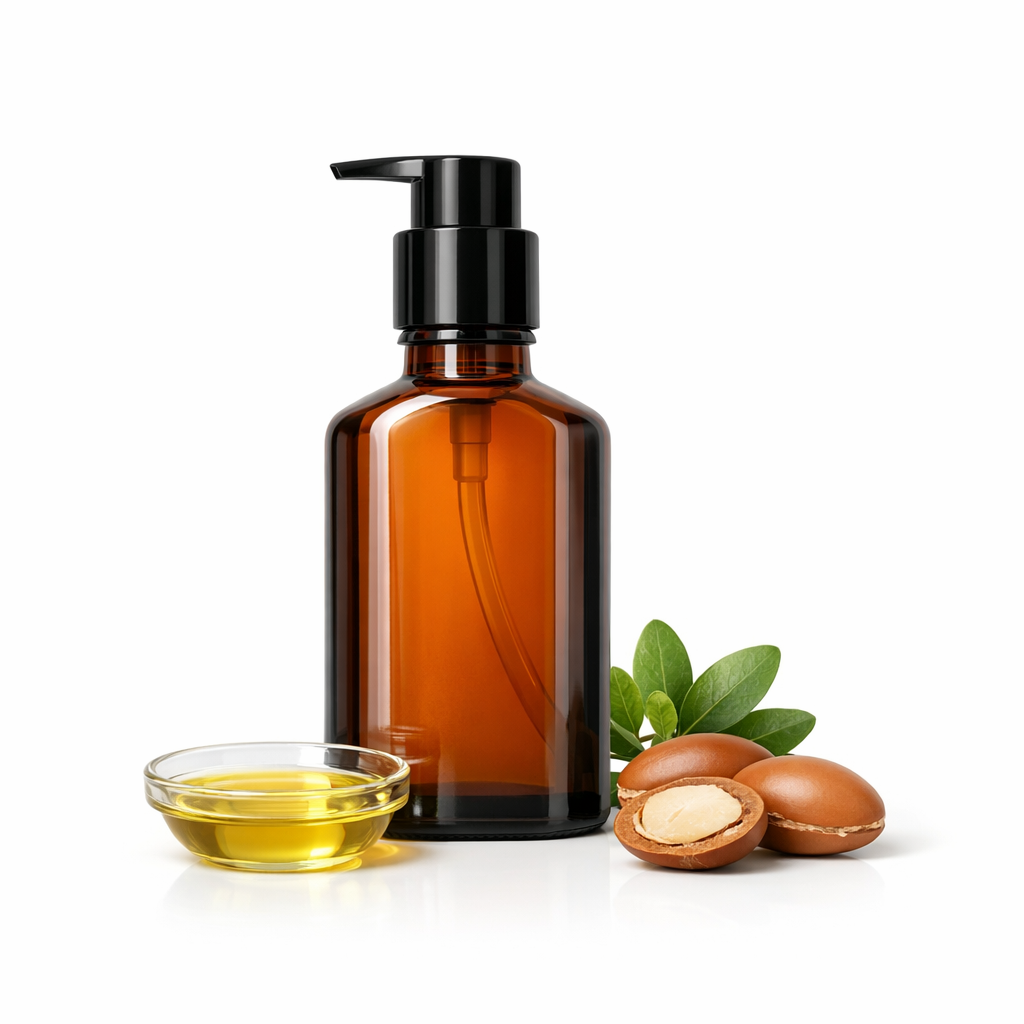
Argan Oil Hair Treatment
Trust
You might also like: Are Cordless Curlers Worth Packing for Holiday Hair?.