Fine hair has an awkward relationship with heat protection: skip it and you risk dryness, use too much and your style can fall flat before you have left the house. This ghd Bodyguard Heat Protect Spray review focuses on that exact problem, looking at whether the formula feels light enough for finer strands while still making sense for regular blow-drying, tonging or straightening.
The product under review is ghd Bodyguard Heat Protect Spray, a recognisable salon-led heat protectant from ghd. It is not a styling product that should make fine hair feel bigger by itself, and it is not a repair treatment. Its job is simpler: create a more protective prep step before hot tools, without leaving hair sticky, crunchy or greasy.
The short version
Quick verdict: this is a polished, easy-to-use heat protect spray that suits many fine-hair routines, particularly if you use a hairdryer, straightener, curling iron or hot brush regularly. The mist feels refined when applied lightly, the finish is soft rather than lacquered, and it layers better than richer creams or oils on hair that gets weighed down quickly.
The catch is control. Fine hair does not forgive over-application, and this spray works best when you section sensibly and mist from a little distance rather than saturating the lengths. If your roots turn oily quickly or your hair loses bend easily, you will need a lighter hand than the packaging images might suggest.
Product overview
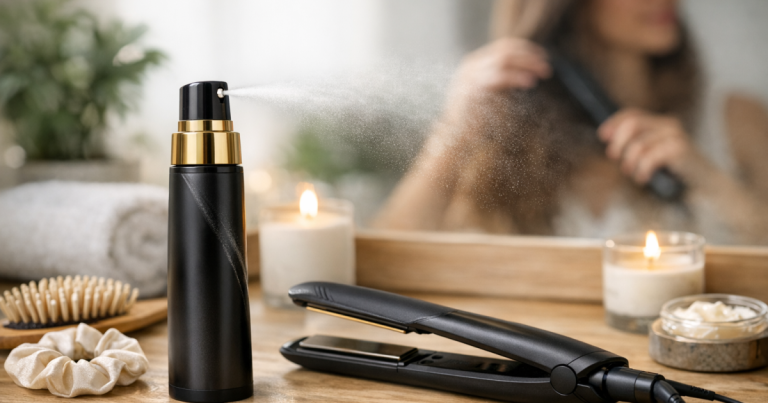
ghd Bodyguard Heat Protect Spray is designed as a pre-styling heat protectant for use before heat tools. For fine hair, the appeal is that it is a spray rather than a cream or serum, so it can be distributed more evenly through the lengths without needing much product. That matters because fine hair usually has less tolerance for coating, residue and heavy slip.
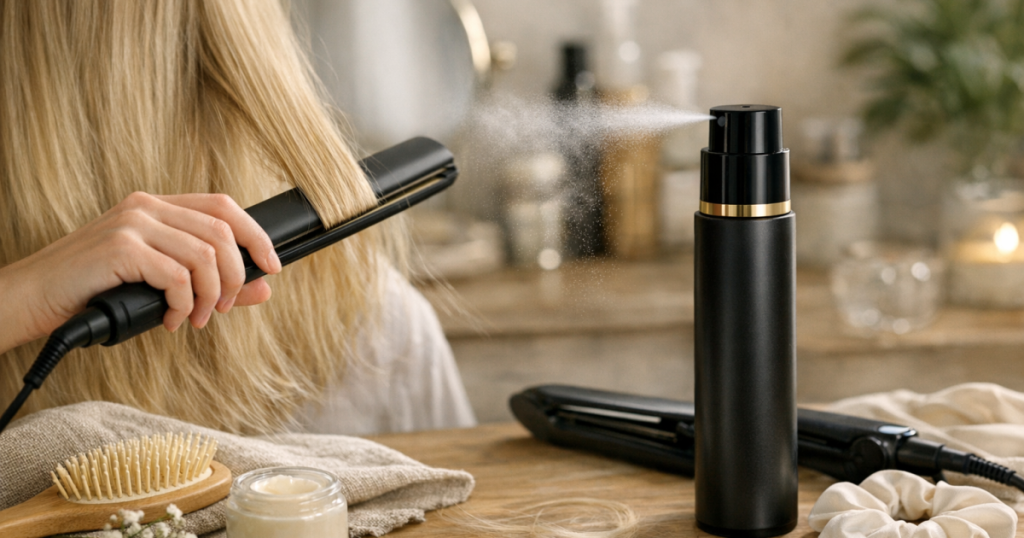
In a typical routine, it makes the most sense after washing and detangling, before blow-drying, or on dry hair before using a straightener, curling iron or heated styling brush. The product should be allowed to settle rather than being blasted onto soaking-wet hair at close range. Fine hair benefits from a clean, even mist through the mid-lengths and ends, with minimal product near the roots unless they are genuinely exposed to heat styling.
For UK shoppers, the sensible approach is to check current retailer listings for the bottle size, bundle options and packaging details, as these can change. It is widely positioned as a premium heat protectant, so it is worth judging it by how neatly it fits into your existing routine rather than expecting it to replace mousse, hairspray, leave-in conditioner or a bond-building treatment.
Key specs
- Product type: pump-spray heat protectant for use before heated styling.
- Main use: prep step before blow-drying, straightening, curling or using hot styling brushes.
- Hair feel: lightweight when used sparingly; can feel too much if fine hair is over-misted.
- Best placement on fine hair: mid-lengths and ends first, with very little near the root area.
- Finish: soft, smooth and groomed rather than stiff or gritty.
- Scent and sensitivity: fragranced; check the current ingredient list if your scalp reacts easily to perfumed products.
- What to verify before buying: current bottle size, directions, heat-protection claims on the packaging, and whether the listing is the standard version or a variant.
Pros and cons
Pros
- Feels more fine-hair friendly than many creamy heat protectants when applied lightly.
- Spray format makes it easier to distribute through thin or medium-density lengths.
- Works across common at-home heat routines, from blow-drying to curling and straightening.
- Leaves a polished finish without the obvious crispness of a traditional hairspray.
- Pairs well with smoother styles where frizz control and a clean surface matter.
Cons
- Fine hair can look limp if you apply too much or spray too close to the head.
- It is not a volume product, so it will not replace root lift, mousse or setting techniques.
- Very oily scalps may prefer to keep it well away from the root zone.
- Fragrance may not suit everyone, particularly if you are sensitive to scented hair products.
- Premium positioning means it has to earn its place if you heat-style only occasionally.
Performance in real use
On fine hair, the strongest point is how unobtrusive it can feel when used correctly. A light mist through the lengths gives hair a smoother, more prepared feel before styling without making it look drenched or coated. That is important because many fine-haired users avoid heat protectant not because they do not care about damage, but because the wrong product ruins their finish.
For blow-drying, it works best after towel-drying, detangling and dividing the hair into manageable sections. Mist the product through the lengths, comb or brush through gently, then dry as normal. If your hair is fragile or tangles easily after washing, pair this step with a gentle detangling routine rather than dragging a brush through wet hair. The spray is a prep product, not a licence to be rough with the cuticle.
For curling fine hair, restraint matters even more. Too much smoothing slip can reduce grip, which is one reason fine curls sometimes drop quickly. If that is your main frustration, balance protection with hold: use a small amount of heat protectant, dry the hair fully, then rely on section size, cooling time and a suitable setting product to preserve the shape. For no-heat routines, the same principle applies; our guide to helping heatless curls hold on fine hair is useful if your waves collapse regardless of the method.
With straighteners or smoothing brushes, the product’s soft finish is more obviously flattering. Fine hair that frizzes at the surface can look neater after styling, provided you do not overload the crown. The ideal application is targeted: more on dry, exposed ends, less at the roots, and never so much that the hair feels wet immediately before clamping with a hot tool. Hair should be dry before using irons or straighteners, following the directions for both the product and the tool.
Durability is routine-dependent. The spray does not behave like a strong-hold product, so it will not freeze volume or keep curls intact through damp weather on its own. Think of it as protection and polish, not architecture. If your fine hair needs structure, you may still want a separate lightweight mousse, texturising spray or flexible hairspray, used sparingly so the routine does not become overloaded.
Who it’s best for / who should skip it
ghd Bodyguard Heat Protect Spray is best for fine to medium-fine hair that is heat-styled regularly and needs a protective prep step that does not feel as rich as an oil, balm or cream. It is a particularly good fit if you like sleek blow-dries, soft bends, straightened finishes or polished hot-brush styling.
It also suits people who already have their cleansing and conditioning balance right. If your fine hair is weighed down by your shampoo, conditioner or leave-in products, adding any heat protectant may make the problem more noticeable. In that case, the wider routine needs editing before judging the spray too harshly.
You may want to skip it if your hair is extremely oil-prone at the roots, if fragrance bothers your scalp, or if you rarely use heat. It is also not the most targeted answer for someone whose main goal is big root volume. You can still use it, but you will need a separate volume strategy and a very light application technique.
Alternatives
If your priority is reducing heat exposure rather than prepping for it, a satin heatless curling rod or silk curling ribbon may be the more hair-friendly route for everyday waves. This is often a better match for fine hair that becomes dry or flyaway when styled with hot tools several times a week.
If your issue is dullness after styling rather than heat protection, a finishing oil can make the surface look glossier, but it is easier to overdo on fine hair. Our Moroccanoil Argan Oil Hair Treatment review explains the shine-versus-weight trade-off in more detail. It is not a substitute for a heat protect spray, but it is worth understanding if you are building a smoother finishing routine.
FAQ
Can you use ghd Bodyguard Heat Protect Spray on dry fine hair?
Yes, it can be used before dry heat styling, but apply a light mist and let it settle before using straighteners, curling irons or hot brushes. Fine hair should not feel damp when a hot tool touches it.
Will it make fine hair greasy?
It can if you spray too much, apply it too close, or use it near oily roots. Start with the mid-lengths and ends, then add more only if the hair still feels bare.
Does it add hold for curls?
Not in the way a mousse or hairspray does. It helps prep and protect the hair, but fine curls usually need cooling time, correct section size and a separate hold product if they drop quickly.
Can it replace conditioner or a leave-in treatment?
No. It is a heat protectant, not a conditioning routine. If your fine hair is dry, address shampoo, conditioner and gentle detangling first, then use heat protection before styling.
Is it worth using if I only blow-dry my hair?
Yes, if you blow-dry often. Hairdryers still expose the hair to heat and tension, so a light protective spray can be a sensible step, especially on fragile ends.
Verdict + score
ghd Bodyguard Heat Protect Spray is a strong fine-hair heat protectant when used with discipline. It gives a smooth, groomed finish, layers neatly into blow-dry and hot-tool routines, and avoids the heavy feel that puts many fine-haired users off protection altogether. It is less convincing as an all-in-one styling answer because it will not create root lift or serious curl hold, and over-application can flatten delicate hair. For regular heat users who want protection without a creamy texture, it earns 8.1/10.
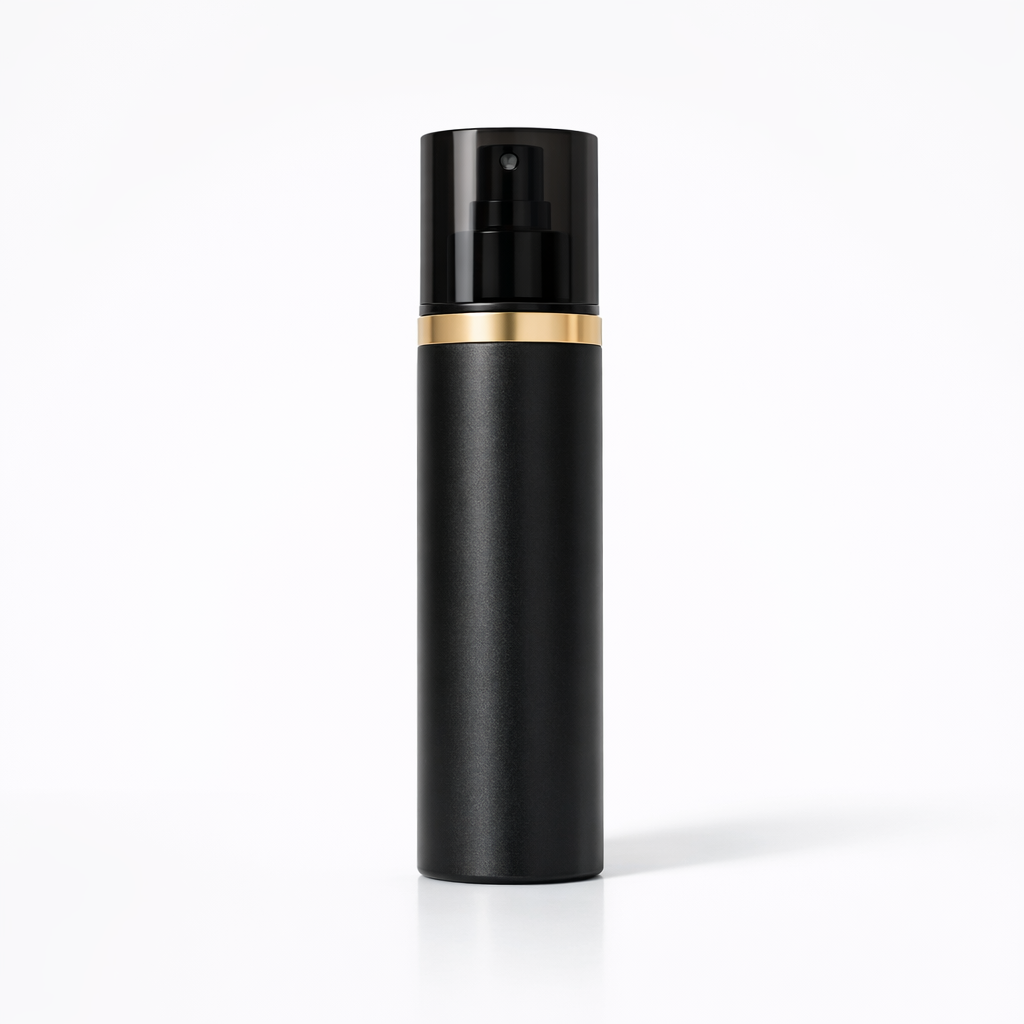
ghd Bodyguard Heat Protect Spray
For regular heat users who want protection without a creamy texture, it earns 8.1/ 10.
You might also like: Dyson Airwrap Firm Smoothing Brush vs Soft Smoothing Brush: Which Attachment Fits Your Hair?.