Dry, heat-styled hair can be awkward to condition: too little slip and the ends still feel rough; too much richness and the roots collapse before you have even styled them. This Garnier Ultimate Blends Conditioner review focuses on whether it gives enough softness and manageability for blow-dried, straightened or curled hair without making everyday styling harder.
Quick verdict: it is a sensible, accessible conditioner for lightly to moderately dry lengths, especially if your hair needs smoother comb-through after heat styling. It is less convincing as a rescue product for very brittle, chemically processed or heavily damaged hair, where a more targeted treatment routine may be needed.
At a glance
- Best fit: dry-feeling lengths, heat-styled mid-lengths and ends, and hair that tangles after washing.
- Main strength: everyday softness and slip without turning the routine into a full treatment step.
- Main limitation: the exact feel depends on which Ultimate Blends variant you choose, so the label matters.
- Styling angle: works best as part of a low-damage routine with gentler detangling, heat protection and occasional heatless styling.
- Buy carefully: check the specific bottle, size and blend before ordering, as the range includes different versions for different hair needs.
Product overview
Garnier Ultimate Blends Conditioner sits in Garnier’s mainstream Ultimate Blends haircare family, which is known for pairing different ingredient themes with common hair concerns such as dryness, dullness or lack of softness. For this review, the important point is not one miracle ingredient claim; it is how useful the conditioner is for hair that regularly sees a hairdryer, straighteners, curling wand or hot air brush.
On dry, heat-styled hair, a conditioner has three jobs. It should add enough slip to reduce tugging, leave the surface feeling smoother once rinsed, and avoid coating the hair so heavily that styles drop quickly. Garnier Ultimate Blends Conditioner does that best when the hair is dry through the ends rather than severely damaged from repeated bleaching, high-heat styling or overlapping colour work.
The range is easy to fit into a normal wash routine because it is a rinse-out conditioner rather than a mask. That matters if you style at home before work, after the gym or before an evening out and do not want a long treatment step every wash day. If you regularly switch between straight styles, soft waves and heatless curls, the finish is generally more useful when you apply it mainly from mid-lengths to ends and keep the root area light.
Key specs
- Product name: Garnier Ultimate Blends Conditioner.
- Brand: Garnier.
- Product type: rinse-out conditioner.
- Best-use case: softening dry-feeling lengths and improving comb-through after washing.
- Hair routine fit: suitable for everyday or regular wash routines, depending on your hair’s weight tolerance and the specific blend chosen.
- What to verify before buying: the exact Ultimate Blends variant, bottle size, ingredients list, hair concern on the label and any suitability notes for your scalp or hair type.
- Styling compatibility: pairs most logically with lower-tension detangling, heat protectant before hot tools, and heatless styling when you want to reduce cumulative dryness.
Pros and cons
Pros
- Good everyday option for making dry lengths feel more manageable after washing.
- Useful slip for reducing combing resistance, particularly on mid-lengths and ends.
- Easy to work into a simple routine because it does not require a mask-style treatment step.
- More practical for frequent washers than very rich treatments that can overload fine or low-density hair.
- Accessible enough for readers who want a straightforward conditioner rather than a salon-only product.
Cons
- The Ultimate Blends range includes different variants, so results can vary depending on the exact bottle.
- May not be intensive enough for hair that feels straw-like, snapping or heavily compromised.
- Can weigh down very fine roots if applied too high up the hair.
- Does not replace heat protectant, bond-building care or a proper repair routine where damage is more than surface dryness.
- Frizz-prone curls and coils may still need a leave-in or styling product after rinsing.
Performance in real use
Slip and detangling
The strongest case for Garnier Ultimate Blends Conditioner is slip. Heat-styled hair often feels rougher because repeated drying, brushing and hot tool use can make the cuticle feel less smooth. A conditioner that gives decent glide helps reduce the urge to drag a brush through knots, which is where everyday breakage can creep in.
For fine hair, apply a modest amount from the ears down and detangle gently once the conditioner has been worked through. For thick or long hair, sectioning in the shower can help distribute it more evenly. If tangling is your main issue, a gentle brush can make as much difference as the conditioner itself; our Tangle Teezer The Original Detangling Hairbrush review is a useful next read if your ends knot easily.
Softness after rinsing
On hair that is dry from regular blow-drying or straightening, the conditioner leaves the lengths feeling smoother and less squeaky. That is useful before at-home styling because rough hair tends to catch on brushes, puff out during drying and resist a polished finish.
The trade-off is that softness is not the same as structural repair. If your ends look frayed, split or translucent, a rinse-out conditioner can make them feel nicer temporarily, but it will not rebuild severely damaged hair. In that situation, trims, lower heat frequency and more targeted strengthening or masking steps become more important.
Weight and movement
Weight is where hair type matters. Fine, straight or low-density hair is more likely to look limp if conditioner is taken too close to the scalp. Use less product, rinse thoroughly and keep it away from the root area. Medium-density wavy hair can usually take a little more through the lower half, especially if it is styled with a hot air brush or curling tool.
Thick, coarse or porous hair may enjoy the softness but still want extra support afterwards, such as a leave-in conditioner or a small amount of oil on the ends. For tighter curls and coils, this is more of a rinse-out softening step than a complete moisture routine.
Frizz and heat-styling finish
For heat-styled hair, the finish is at its best when the conditioner is part of a full protection routine. Use it to improve smoothness after washing, then apply a dedicated heat protectant before any hot tool. If you are working with frizz-prone hair and a blow-dry brush, technique matters too: tension, section size and airflow can make the difference between smooth volume and puffiness. For tool technique, see our guide to using a hot air brush on frizz-prone hair without puffiness.
For heatless curls, the conditioner can help by making the hair more pliable and less snag-prone before wrapping. However, if your hair is very silky or fine, too much conditioning can reduce hold, so use a lighter hand before overnight rods, rollers or wraps.
Maintenance and value
The value depends on how accurately you match the variant to your hair. A richer blend may suit dry, thick ends but feel too much on fine hair; a lighter option may preserve bounce but not satisfy coarse, porous lengths. Rather than buying by scent alone, check the front-of-bottle hair concern and the ingredients list, especially if your scalp is reactive or your hair dislikes heavy conditioning.
Who it’s best for / who should skip it
Best for
- Fine to medium hair with dry ends: use mainly through the lower lengths to improve softness without flattening the crown.
- Regular heat stylers: helpful if your hair feels rough after blow-drying, straightening or curling but is not severely damaged.
- Long hair that tangles after washing: useful for adding enough slip to make detangling feel less aggressive.
- Wavy hair that needs smoother prep: can reduce the dry, fluffy feel before diffusing, air-drying or heatless styling.
Skip it if
- Your hair is breaking or severely over-processed: you may need a more focused repair routine rather than relying on conditioner alone.
- Your roots get oily quickly: keep it away from the scalp, or consider a lighter conditioner if even small amounts feel heavy.
- Your curls need lasting moisture after rinsing: you may need a leave-in, cream or gel step to support definition and hold.
- You want one exact formula every time: check the bottle carefully, because Ultimate Blends is a wider range with multiple variants.
Alternatives
If your main issue is mild dryness from routine heat styling, Garnier Ultimate Blends Conditioner is a reasonable starting point. If your hair feels damaged rather than simply dry, it is worth looking at richer masks or bond-focused products instead of expecting a daily conditioner to do all the work. Our comparison of Olaplex No.4 and Briogeo Don’t Despair, Repair! explains the difference between a bond-maintenance shampoo and a deep conditioning mask.
For a gentler styling routine, the alternative is not always another conditioner. A silk hair wrap, satin heatless curling rod or careful roller set can reduce how often you reach for hot tools. That is where conditioning and styling choices overlap: softer hair is easier to shape, but less heat exposure helps keep it feeling softer for longer.
Questions people ask
Is Garnier Ultimate Blends Conditioner enough for heat-damaged hair?
It can improve softness and slip, but it is not a complete fix for serious heat damage. If the hair is snapping, splitting or feels brittle when wet, reduce heat use and add more targeted repair or strengthening care.
Can fine hair use it without going flat?
Yes, but placement matters. Use a small amount from mid-lengths to ends, rinse well, and avoid the roots. Fine hair that is easily weighed down should choose the lightest suitable variant.
Should I use it before heatless curls?
Usually, yes, if your hair tangles or feels rough. Use enough to soften the lengths, but avoid over-conditioning very silky hair because too much slip can make curls drop sooner.
Does it replace a hair mask?
No. It is a rinse-out conditioner for regular softness and manageability. A mask is usually the better choice when the hair needs a richer, more intensive conditioning step.
How do I choose the right Ultimate Blends version?
Start with your hair’s biggest issue: dryness, dullness, frizz, weight or breakage. Then check the exact label and ingredients rather than assuming every bottle in the range will behave the same way.
Verdict + score
Garnier Ultimate Blends Conditioner is a dependable everyday conditioner for dry, heat-styled hair when the goal is smoother lengths, easier detangling and a softer styling base. It is strongest for mild to moderate dryness and weakest when hair needs deeper repair, curl-specific moisture layering or very lightweight root control. Choose the variant carefully, keep it through the lengths, and pair it with heat protection or heatless styling habits for the best result. Score: 8.0/10.
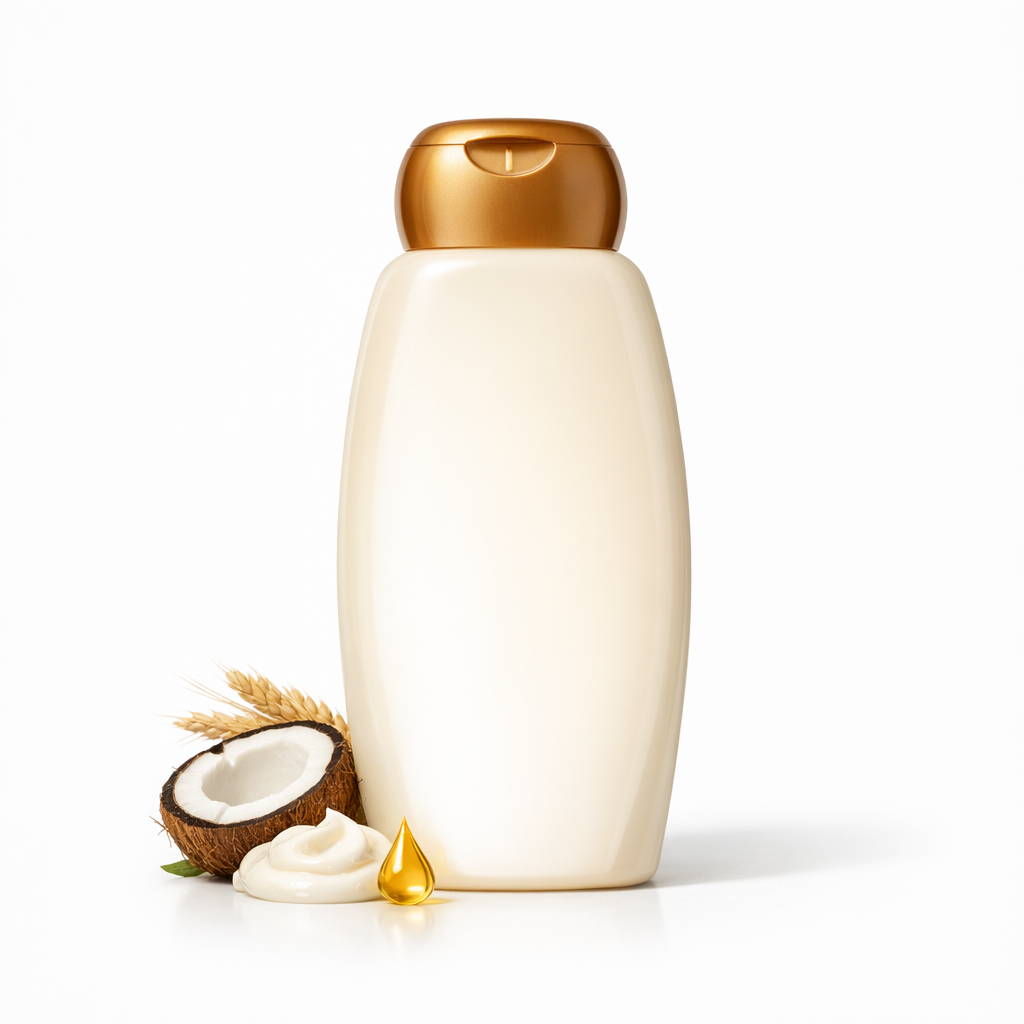
Garnier Ultimate Blends Conditioner
Tr