Bleached hair that is also blow-dried, waved or straightened can feel frustratingly fragile: glossy one wash, rough the next. This Olaplex No. 3 review looks at whether the at-home treatment is still worth making room for when your routine already includes conditioner, masks and heat protectant.
Olaplex No. 3 Hair Perfector is not a conditioner and not a quick cosmetic gloss. Its appeal is that it targets compromised bonds within the hair structure, which is why it is so often recommended after bleach, colour lightening and repeated heat styling. The quick verdict: it is a strong buy for bleached hair that feels weaker, stretchier or rougher than it used to, but it is not the right product if you simply want softness in one wash.
Product overview
Olaplex No. 3 Hair Perfector is an at-home pre-shampoo treatment designed to support hair that has been stressed by chemical services, heat styling and mechanical wear. For a UK reader who regularly blow-dries, uses straighteners, curls with hot tools or maintains blonde colour, the most realistic way to judge it is not by instant slip in the shower, but by how the hair behaves over several uses.
The treatment suits the sort of routine where hair needs more resilience, not just more moisture. Bleached ends that tangle quickly, feel rough after drying or lose shape around the hairline are exactly where it makes the most sense. It can also be useful if you are trying to reduce breakage while moving towards lower-heat styling, heatless curls or gentler drying habits.
That said, it is easy to expect the wrong thing from it. A rich mask can make hair feel immediately coated and silky; this treatment is subtler. The result is usually more about hair feeling steadier, smoother to handle and less straw-like after drying, rather than dramatically transformed in a single use.
Key specs
- Product type: at-home pre-shampoo hair treatment.
- Main use: supports hair weakened by bleaching, colouring, heat styling and general styling stress.
- How it is used: applied before shampooing, usually to damp hair, then rinsed before shampoo and conditioner. Always follow the instructions on your bottle.
- Best fit: bleached, highlighted, colour-treated, heat-styled or fragile-feeling hair.
- Texture: cream treatment rather than a leave-in serum or styling product.
- Routine role: repair step, not a replacement for conditioner, heat protectant or a hydrating mask.
- What to verify before buying: bottle size, usage directions, retailer authenticity and whether the formula suits your scalp and hair needs.
Pros and cons
Pros
- Particularly relevant for bleached hair that feels weakened rather than just dry.
- Works alongside your existing shampoo, conditioner and heat protection routine.
- Does not rely on heavy oils or a very coated finish, so it can suit finer highlighted hair when used sensibly.
- Useful as part of a damage-control routine if you still heat style but want to be more protective.
- Easy to fit into a weekly wash-day routine without changing every product you own.
Cons
- Not the most instantly softening option if your main issue is dryness or frizz.
- Can disappoint if you expect it to reverse severe damage or split ends.
- Needs consistent use to judge properly, which makes value feel personal.
- Still requires conditioner afterwards; skipping that step can leave hair feeling underwhelming.
- Results are less visible on already healthy, low-maintenance hair.
Performance in real use
On bleached and highlighted hair
This is where the treatment is most convincing. Bleached hair is more vulnerable to roughness, snapping and that familiar gummy stretch when the hair has been pushed too far. Olaplex No. 3 Hair Perfector cannot turn damaged lengths back into virgin hair, but it can make a sensible difference to how fragile hair feels during washing, detangling and styling.
On blonde highlights, balayage or lightened ends, the benefit is usually most noticeable after a few uses. Hair may feel less grabby when combing through conditioner and less papery once dried. It is especially useful if your ends look dull even after a good mask, because the problem may be structural weakness as well as dryness.
On heat-styled hair
If your hair is regularly blow-dried smooth, curled with tongs or straightened, the treatment works best as one part of a wider protection routine. It does not replace a heat protectant, and it does not make high heat harmless. Think of it as a repair-support step for the hair you already have, while your heat protectant, dryer technique and tool temperature habits help limit further stress.
Fine hair that collapses under heavy masks may prefer this kind of treatment because it is rinsed out before styling. If your problem is that protective sprays weigh your hair down, the ghd Bodyguard Heat Protect Spray review for fine hair is a useful next read, because heat protection still matters even when you add a bond-building step.
On fine, medium and thick hair
Fine bleached hair often benefits from using the treatment regularly but not overloading the rest of the routine with heavy masks and oils on the same wash day. The aim is to strengthen the feel of the hair without sacrificing movement. Pair it with a lightweight conditioner and avoid applying heavy finishing products at the root if you want bounce.
Medium-density hair is probably the easiest match. It can usually take the treatment, conditioner and a smoothing or volumising styling routine without feeling too coated. Thick, coarse or very porous hair may still need a richer conditioner or mask afterwards, because the treatment does not behave like a deeply emollient mask.
Curly and wavy hair can use it too, particularly when bleach has made curl patterns look uneven or limp. The important distinction is that bond support and moisture balance are not the same thing. If curls still feel dry, fluffy or undefined after use, do not assume the treatment has failed; your routine may simply need more conditioning or styling hold.
Ease of use and routine fit
The main friction is timing. Because it sits before shampoo and conditioner, it asks for a little more planning than a normal in-shower mask. It is easiest to use when you are already doing a slower wash day: apply, leave for the directed time, rinse, shampoo and condition properly.
For busy mornings, it is less convenient. For weekend maintenance, it makes sense. It is also a good product to use before an occasion where you plan to heat style, not because it shields hair from heat on the day, but because stronger-feeling hair is easier to smooth, stretch and finish neatly.
Finish after styling
The finish is not glossy in the same obvious way as a silicone-heavy serum or shine spray. Its strength is in making hair feel more manageable. When blow-dried, bleached lengths can sit smoother and look less frayed, especially if you use controlled airflow, a nozzle and sensible brush tension.
If your hair still looks fluffy after using it, check the rest of the routine before blaming the treatment. You may need a better conditioner, a more suitable dryer nozzle, lower heat, smaller sections or a finishing cream on the mid-lengths and ends. Bond support cannot compensate for aggressive brushing, very hot tools or repeatedly styling hair when it is still too damp or too dry for the method you are using.
Value for money
Value depends on how damaged your hair is and how often you use it. For someone with virgin, resilient hair, it may feel unnecessary. For someone paying to maintain blonde colour and using hot tools several times a week, it is easier to justify because it fills a gap that ordinary conditioner does not.
The best way to assess value is to compare it with what you are trying to avoid: more breakage, harsher brushing, extra styling products to disguise roughness, or cutting off more length than planned. It is not a magic fix, but it can be a practical maintenance step for hair that has already been through a lot.
Who it’s best for / who should skip it
Best for
- Bleached blondes, highlighted brunettes and balayage wearers whose ends feel weaker than the roots.
- Hair that feels rough, stretchy, brittle or more prone to snapping after colour lightening.
- People who heat style regularly and want a stronger repair-support step in their routine.
- Fine to medium hair that dislikes very heavy masks but still needs targeted care.
- Anyone trying to keep length while reducing the visible effects of bleach and hot tools.
Skip it if
- Your hair is simply dry and needs moisture, slip or frizz control more than bond support.
- You want a leave-in styling product, shine spray or heat protectant.
- Your ends are severely split; no treatment can fuse split ends permanently.
- You prefer a one-step wash routine and are unlikely to use a pre-shampoo treatment consistently.
- Your scalp reacts easily to hair products; check the ingredient list carefully and stop use if irritation occurs.
Alternatives
If you want a more intensive leave-in style bond-repair treatment, K18 Leave-In Molecular Repair Hair Mask is the obvious alternative to research. It has a different routine feel because it is used after shampooing and left in, so it may appeal if you dislike pre-shampoo steps. Do not treat the two products as identical; compare instructions, hair feel, frequency and how each fits around your normal conditioner and styling products.
If your main concern is preventing further heat stress rather than repairing the feel of bleached hair, a heat protectant and lower-damage styling routine may be the more urgent upgrade. For readers moving away from hot tools, the guide to stopping heatless curls dropping on fine hair gives practical ways to get longer-lasting shape without relying on extra heat.
Questions people ask
Can Olaplex No. 3 Hair Perfector fix bleach damage?
It can help compromised hair feel stronger and more manageable, but it cannot undo severe breakage or permanently repair split ends. Very damaged ends may still need trimming.
Should I use conditioner afterwards?
Yes. It is a treatment step, not a conditioner. Shampoo and condition after rinsing it out, following the directions on your bottle.
Is it too much for fine hair?
Usually not when used correctly and rinsed well. Fine hair may feel better if you keep the rest of the wash-day routine lightweight and avoid heavy oils near the roots.
Can I use it before blow-drying or straightening?
You can use it on a wash day before styling, but it is not a heat protectant. Apply a separate heat protectant before hot tools or blow-drying.
How soon should I expect results?
Some hair feels better after one use, but bleached or heat-styled hair is easier to judge after several consistent wash days. Look for reduced roughness and easier detangling.
Verdict + score
Olaplex No. 3 Hair Perfector earns its place in a bleached, heat-styled routine when the hair feels weakened, rough or less resilient than it used to. It is not the softest mask, the richest conditioner or a substitute for heat protection, but that is not its job. Used consistently and realistically, it is one of the more convincing at-home treatments for colour-stressed hair that still needs to be styled. The score is 8.6/10.
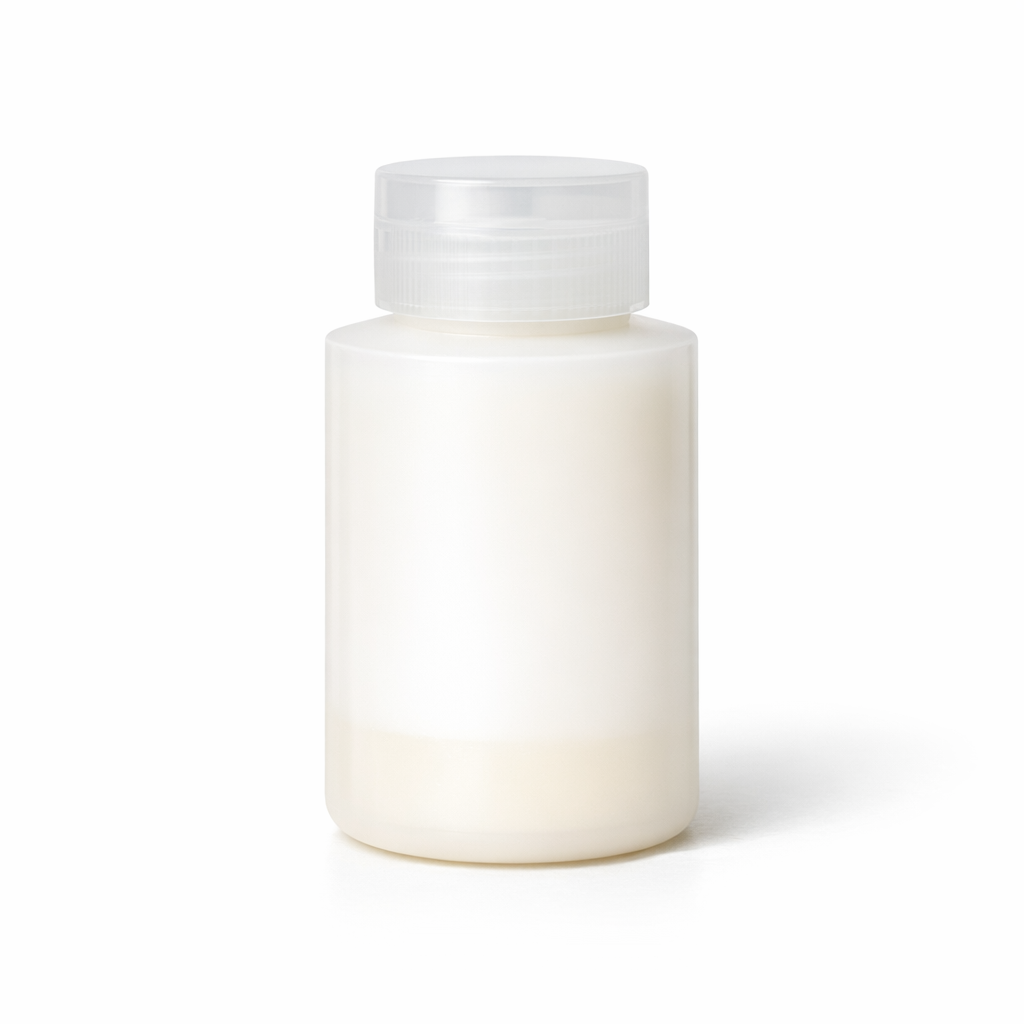
Olaplex No. 3 Hair Perfector
Used consistently and realistically, it is one of the more convincing at-home treatments for colour-stressed hair that still needs to be styled.
You might also like: Mason Pearson Popular Mixture Brush Review: Worth the Splurge?.