A good finishing oil should make hair look polished, not coated. This L’Oreal Elvive Extraordinary Oil review is for the everyday styling question many people have: can a high-street hair oil smooth frizz, soften dry ends and add shine without undoing volume, waves or heatless curls?
The short answer: it can be a very useful finishing step, but it needs a light hand. It is most flattering on mid-lengths and ends, and less forgiving when used too close to the roots, especially on fine or low-density hair.
In brief
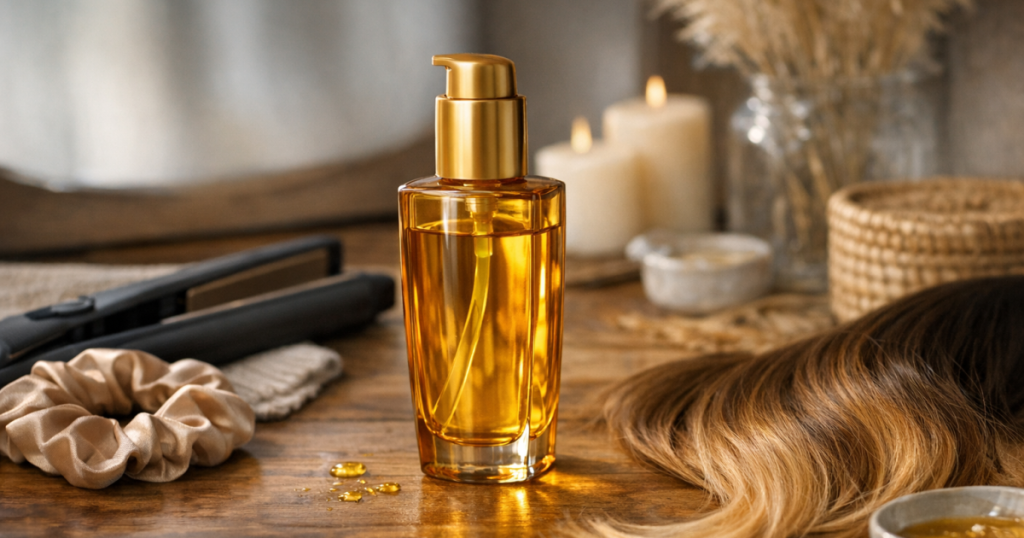
L’Oreal Elvive Extraordinary Oil is a leave-in hair oil/serum aimed at adding softness, shine and a smoother-looking finish. It is not a styling tool in the strict sense, but it can change how your styling tool results look: sleeker blow-dries, less fluffy heatless waves and more polished ends after rollers or a curling rod.
The biggest strength is ease. It slips through the hair quickly, helps ends look less parched and can make freshly styled hair feel more finished. The trade-off is that it is easy to over-apply. If your hair loses lift quickly, start with less than you think you need and keep it away from the root area.
Product overview
L’Oreal Elvive Extraordinary Oil sits in the affordable, widely available end of the leave-in finishing category. In the UK, it is the sort of product you will commonly see alongside shampoos, masks and styling sprays in chemists, supermarkets and online beauty retailers. Packaging, size and formula details can change, so check the current bottle and retailer listing before buying, particularly if you are sensitive to fragrance or specific ingredients.
In practical use, it behaves more like a smoothing serum than a treatment that replaces conditioner, masks or bond-care products. Think of it as the final polish: a small amount over dry ends, a little through damp mid-lengths before styling, or a tiny touch after heatless curls have been released to reduce halo frizz.
It is not a fix for split ends, damaged lengths or hair that needs structural care. If your ends are breaking, tangling heavily or snapping after heat styling, a leave-in oil can improve the look and feel, but it cannot repair the hair fibre in the way a targeted wash-day or treatment routine is designed to support. Used realistically, though, it is a handy finishing product for making at-home styling look less rushed.
Key specs
- Product type: Leave-in hair oil/serum.
- Main styling role: Adds shine, smooths the look of frizz and softens dry-feeling lengths.
- Best application zone: Mid-lengths and ends rather than roots.
- Use on damp hair: Suitable as a pre-styling smoothing step; follow the instructions on the bottle for the current formula.
- Use on dry hair: Useful as a finishing product after blow-drying, straightening, rollers or heatless curls.
- Hair types to approach carefully: Very fine, oily, low-density or naturally flat hair, where too much product can reduce movement.
- What to verify before buying: Current bottle size, ingredient list, fragrance, usage directions and whether the version shown online matches the one you intend to purchase.
Pros and cons
Pros
- Adds a quick, glossy finish to dull-looking lengths without needing another heated tool.
- Works well as a final step after heatless styling, particularly when ends look fluffy or separated.
- Easy to use on both damp and dry hair, provided the amount is controlled.
- Good for making dry ends feel softer between wash days.
- Widely available in GB beauty and grocery retail channels, so it is easy to compare listings and promotions.
Cons
- Can feel too slippery or heavy if applied generously, especially on fine hair.
- Not a true repair treatment for split ends, chemical damage or breakage.
- Fragrance may not suit everyone, so the current ingredient list is worth checking.
- Can reduce root lift if used too high up the hair shaft.
- Results depend heavily on application amount, hair density and how absorbent your ends are.
Performance in real use
On fine or flat hair
Fine hair is where L’Oreal Elvive Extraordinary Oil needs the most discipline. The product can make fine ends look shinier and smoother, but it can also collapse movement if you use a full pump or run it through the crown. For this hair type, rub the smallest amount between your palms first, then tap it over the very ends. Avoid the fringe, parting and root area.
If your main frustration is lack of lift rather than dryness, this oil is not the styling answer by itself. It can polish the lengths, but it will not create volume at the scalp. For that job, a root-lift method is more relevant; our guide to using root crimpers on fine, flat hair explains how to add hidden support without relying on lots of smoothing product.
On medium, thick or coarse hair
Medium and thicker hair types are more likely to enjoy the softening effect. The oil can help calm frizz around the outer layer and make ends look less dry after brushing, sleeping or styling. Thick hair may tolerate a little more product, but it is still better to build up slowly than to start with too much. Apply in sections if your hair is dense, concentrating on the areas that look most matte or puffy.
Coarser hair can benefit from the shine and slip, although very dry curls, coils or textured hair may still need a richer leave-in conditioner, cream or oil blend depending on porosity and styling routine. L’Oreal Elvive Extraordinary Oil is best viewed as a finishing layer rather than the only moisturising step.
With heatless curls and waves
Used carefully, this is a helpful partner for heatless curls. After removing a curling rod, foam rollers or overnight wrap, separate the curls first with fingers, then smooth a trace of oil over the ends. This helps reduce the cottony look that can happen when curls are brushed out too soon.
The risk is slip. Too much oil can loosen freshly formed waves, particularly if your hair is fine, silky or naturally straight. If curl hold is your priority, use your hold product first, let the shape settle, and then add oil only where hair looks dry. A light press over the surface is usually better than raking it through from root to tip.
With heat styling
As a finishing product, it can make straightened or blow-dried hair look sleeker. On damp hair before styling, check the bottle directions and avoid assuming it replaces a dedicated heat protectant unless the current product packaging clearly states that role. For regular hot-tool users, the smartest approach is to treat this as one part of the routine: cleanse gently, condition properly, protect before heat where required, then use oil to finish.
Feel, finish and build-up
The finish is glossy and smooth when the amount is right. Hair feels softer to the touch and ends can look more aligned. Build-up is possible if you reapply daily without adjusting your wash routine, so pay attention to how your hair behaves by day two or three. If lengths start clumping, feeling coated or losing bounce, reduce the amount and focus on cleansing the mid-lengths occasionally rather than only the scalp.
Value in an at-home styling routine
The strongest value is not that it transforms hair health overnight, but that it makes everyday styling look more intentional. For anyone using rollers, a hot brush, a straightener, a diffuser or heatless curling rod, a small amount can soften the final result and reduce the need to restyle. That matters if you are trying to lower heat exposure or stretch a style for another day.
Who it’s best for / who should skip it
Best for
- Medium to thick hair that looks dull, fluffy or dry through the ends.
- Long hair that needs a smoother finish after brushing or styling.
- Heatless styling fans who want softer-looking ends after curls or waves have set.
- People who like a glossy, fragranced finishing product and are comfortable using very small amounts.
- Anyone wanting a simple high-street smoothing step rather than a salon-style treatment routine.
Skip it if
- Your roots turn oily quickly and you dislike any product that adds slip.
- Your hair is very fine and your main goal is volume rather than shine.
- You need a targeted repair product for breakage, bleaching damage or severe tangling.
- You avoid fragranced hair products or need to check ingredients closely for sensitivities.
- You want firm hold, curl definition or humidity-proof styling from one product.
Alternatives
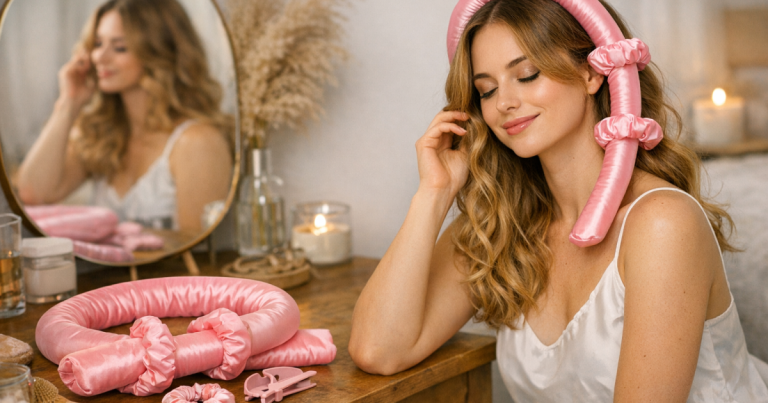
If your main goal is not shine but longer-lasting heatless shape, a styling aid may be a better match than another oil. A satin curling rod, for example, focuses on forming bends and curls while you sleep, whereas L’Oreal Elvive Extraordinary Oil is better for finishing those curls once released. For that route, our Kitsch Satin Heatless Curling Rod review is the more relevant next read.
If your hair feels genuinely damaged rather than just dry at the ends, look beyond finishing oils. A strengthening shampoo, mask or bond-care routine may be more appropriate, while this oil can remain the cosmetic final step for shine and softness.
FAQ
Can I use L’Oreal Elvive Extraordinary Oil every day?
You can use it regularly, but daily use will not suit everyone. Fine, oily or low-density hair may look fresher if it is applied only after washing or on the driest ends between wash days.
Should it go on wet or dry hair?
It can be used on damp or dry hair depending on the current bottle directions. Damp use helps with smoothing before styling; dry use is better for shine and taming fluffy ends.
Will it make heatless curls drop?
It can if you use too much or rake it through the curl pattern. Apply a trace to your palms and press it over the ends after the curls have been separated.
Is it suitable for curly hair?
It can suit curly hair as a finishing oil, particularly on dry ends. It will not replace curl cream, gel or a moisturising leave-in if your curls need hold or deeper conditioning.
Does it repair split ends?
No leave-in oil can permanently repair split ends. It can make them look smoother temporarily, but trimming and a stronger care routine are needed when ends are splitting or breaking.
Verdict + score
L’Oreal Elvive Extraordinary Oil is a strong everyday finisher for smoother, shinier lengths, provided you use it sparingly and keep it away from roots that need lift. It is most convincing on medium, thick, coarse or dry-ended hair, and more of a careful touch-up product for fine hair. It will not replace a treatment mask, heat protectant or curl styler, but it earns its place as a simple finishing step that can make at-home styling look softer and more polished. Score: 8.1/10.
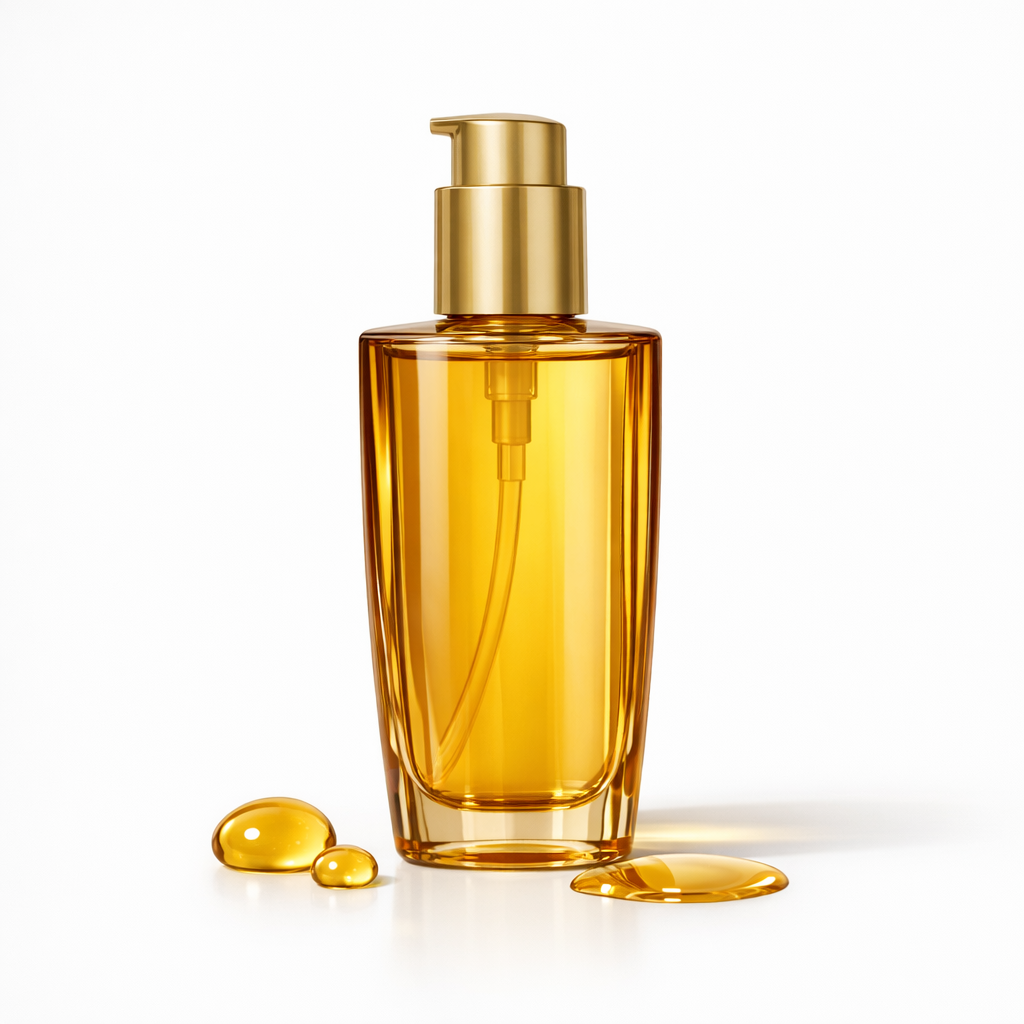
L'Oreal Elvive Extraordinary Oil
It will not replace a treatment mask, heat protectant or curl styler, but it earns its place as a simple finishing step that can make at-home styling look softer and more polished.
You might also like: Sleepy Tie Review: Better for Preserving Heatless Curls Overnight?.