Long hair makes heatless curling more demanding: there is more length to wrap, more weight pulling curls down, and more chance of uneven bends by morning. This RobeCurls Heatless Curling Headband review looks at whether the design is actually practical for longer lengths, not just shoulder-skimming hair in neat tutorial clips.
The short version: it is a polished step up from using a dressing-gown belt, and it can create soft, wearable curls with no hot tool. For very thick, waist-length or highly layered hair, though, the result depends heavily on section size, wrapping tension and whether your hair holds shape easily.
Product overview
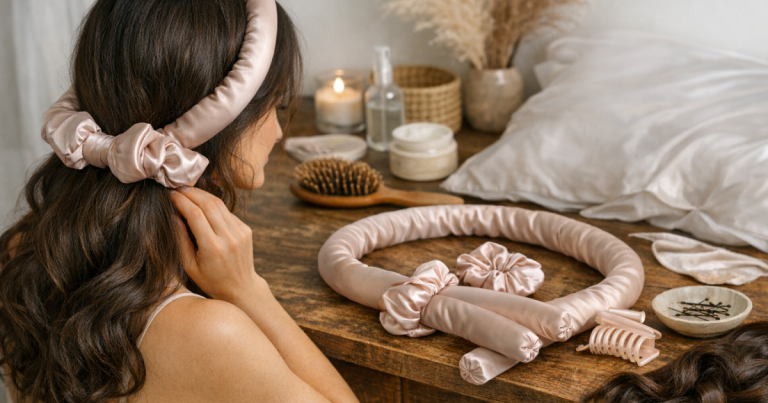
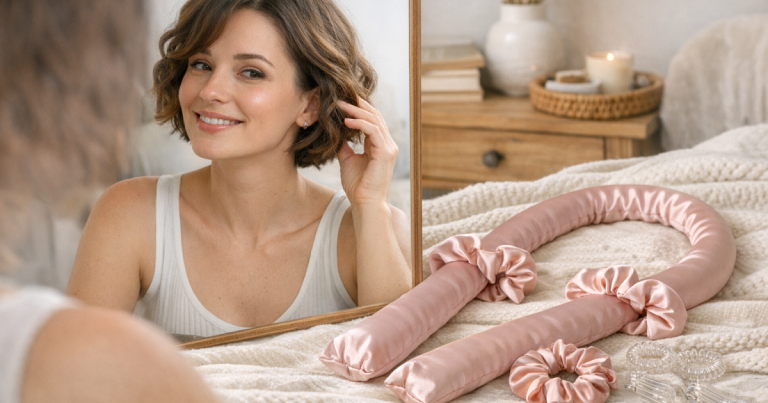
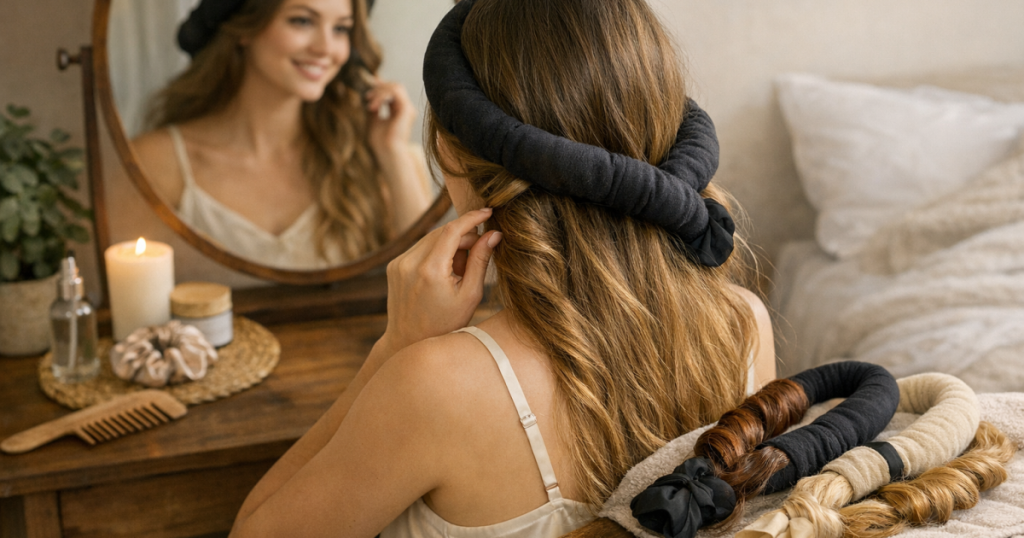
The RobeCurls Heatless Curling Headband is a heatless curling tool designed to sit around the head while the hair is wrapped around it in sections. Instead of clamping, heating or mechanically curling the hair, it relies on shape, time and tension. That makes it appealing if your long hair is already prone to dryness, split ends or heat-styling fatigue.
For long hair, the main advantage is control. A proper curling headband gives you a more stable base than a loose robe tie, so the wraps are easier to keep even. It also feels less improvised, which matters if you want a repeatable routine before bed or while getting ready at home.
It is not a magic shortcut, though. The headband needs enough hair contact time to set the shape, and long hair often needs more patience than shorter hair because the ends can overlap, loosen or dry unevenly. If your styling goal changes depending on whether you want lift at the roots, bend through the lengths or curled ends, the site’s guide to choosing tools by styling goal is a useful companion read.
Key specs
- Product type: heatless curling headband for wrapping hair around a soft band.
- Best styling use: overnight or several-hour setting for soft curls, waves and face-framing bend.
- Heat required: none, so it avoids direct hot-tool exposure.
- Hair length suitability: most relevant for medium to long hair; very long hair should check the band length and wrapping space before buying.
- Hair texture suitability: works most predictably on straight, wavy and loosely curly hair that can hold a set; tighter textures may prefer it for stretched waves rather than defined ringlets.
- Set contents: check the current retailer listing for exactly what is included, such as ties, clips or storage accessories.
- Care: follow the care label or retailer guidance, especially if your routine includes oils, mousses or leave-in styling products.
Pros and cons
Pros
- Gentler than a curling wand or tong because it forms shape without direct heat.
- More structured than a DIY robe-belt method, which helps long hair wrap more evenly.
- Good for soft, brushed-out curls and romantic waves rather than stiff, uniform spirals.
- Can fit into a low-effort evening routine once you learn the wrapping pattern.
- Useful for reducing hot-tool reliance if your ends are dry, highlighted or fragile.
Cons
- Long, dense hair can feel bulky around the band if sections are too large.
- The curl pattern can drop faster on heavy hair unless you prep and set it properly.
- Sleeping comfort depends on how you position the band and how sensitive your scalp is to tension.
- It may not give much root lift on its own, especially on long hair that naturally lies flat.
- Results are less instant and less precise than a heated curling tool.
Performance in real use
On long hair, setup is the make-or-break stage. The easiest approach is to start with hair that is dry or very slightly damp, then divide it into manageable sections before wrapping. Hair that is too wet can still feel damp by morning, leaving the curl soft, uneven or frizzy. Hair that is bone dry and naturally slippery may need a light styling cream, mousse or setting spray to encourage hold.
The headband works best when the first wraps near the face are tidy. Those front pieces are the most visible, so a rushed wrap can leave odd kinks around the cheekbones. For a softer salon-blowout effect, wrap away from the face and keep the sections broad but controlled. For a more curled finish, use smaller sections and keep the tension consistent down the length.
With fine long hair, RobeCurls can be very effective because the hair is light enough to take shape without dragging the curl out too quickly. The main watch-out is flattening: if the hair is wrapped too tightly or slept on heavily, the top layers can look smooth but a little compressed. A loose shake-out with fingers usually looks better than brushing immediately.
With thick or dense long hair, the experience is more mixed. The tool can still work, but you need smaller sections and more even spacing along the band. If too much hair is wrapped in one place, the outer layers set while the inner layers stay straighter. Long, dense hair also benefits from letting the finished curls cool into place emotionally, so to speak: do not unwrap, brush and leave the house within two minutes. Give the shape a moment to settle, then separate carefully.
Layered long hair tends to look particularly pretty with this style because shorter face-framing pieces can curl more visibly while the longer lengths fall into waves. One-length hair may look smoother and more cascading, but the ends need secure wrapping so they do not flick out randomly.
For curly or mixed-texture hair, RobeCurls is better viewed as a shaping tool than a full curl-defining routine. It can help create a looser, stretched wave pattern, especially if the hair has already been smoothed, stretched or styled with leave-in product. It is less likely to replace a full wash-and-go routine for definition, and it may not grip very coily hair evenly unless the hair is prepped in a way that suits your texture.
Comfort is decent for a heatless tool, but not invisible. Any overnight curler adds bulk, and long hair adds more. Side sleepers may need to position the band higher or slightly back from the temples, while back sleepers may notice pressure if too much hair is concentrated at the rear. The trick is not to make the wrap painfully tight; tension should hold the hair, not pull at the scalp.
In terms of finish, expect soft curls rather than tonged precision. That is part of the appeal. The result looks more relaxed and less “done”, which suits everyday hair, office mornings, brunch plans and second-day styling. If you want glossy, identical barrel curls for a formal event, a heated curler still gives more control. If you want lower-damage shape that looks pretty with minimal morning effort, RobeCurls makes sense.
Maintenance is straightforward but worth taking seriously. Styling products, scalp oils and leave-ins can build up on fabric-based heatless tools. Check the care instructions, let it dry properly between uses, and avoid storing it while damp. A clean band gives a fresher finish and is less likely to transfer residue back onto freshly washed lengths.
Who it’s best for / who should skip it
RobeCurls is best for long hair that already has some ability to hold a bend. Straight-to-wavy hair, fine long hair, medium-density hair and layered lengths are the easiest matches. It is also a good fit if you are trying to reduce heat without giving up a styled look altogether.
It is especially useful for people who like a routine they can do in the evening, then refine quickly in the morning. If you enjoy loose curls, soft waves and face-framing movement, this headband suits that mood well.
You may want to skip it if your hair is extremely thick and very long, unless you are happy to spend time sectioning carefully. It is also not the strongest choice if you need root volume, tight curls, sleek polished ringlets or predictable event hair on a strict deadline. For coily hair, it is worth being realistic: it may create stretch and shape, but it will not behave like a dedicated detangling, stretching or curl-defining tool.
If you do buy it, check the current product listing carefully for band dimensions, fabric details, included accessories and return terms. Those details matter more for long hair than they might for shorter lengths.
Questions people ask
Does RobeCurls work on waist-length hair?
It can, but waist-length hair needs enough band space and careful wrapping. If the ends have nowhere to sit neatly, the curl pattern may become uneven or loose.
Should hair be wet before using it?
Slightly damp or fully dry hair with styling product is usually safer than wet hair. Long hair that starts too wet may not dry fully while wrapped.
Will it give root volume?
Not much on its own. The headband is better for shaping lengths and ends than lifting roots, so long, heavy hair may still need a separate volume method.
Is it comfortable to sleep in?
It is more sleep-friendly than many hard rollers, but comfort depends on placement, section thickness and sleeping position. Avoid wrapping so tightly that it pulls at the scalp.
Can curly or coily hair use it?
Yes, but expectations matter. It is more likely to create stretched waves or softened shape than crisp curl definition on tighter textures.
Alternatives
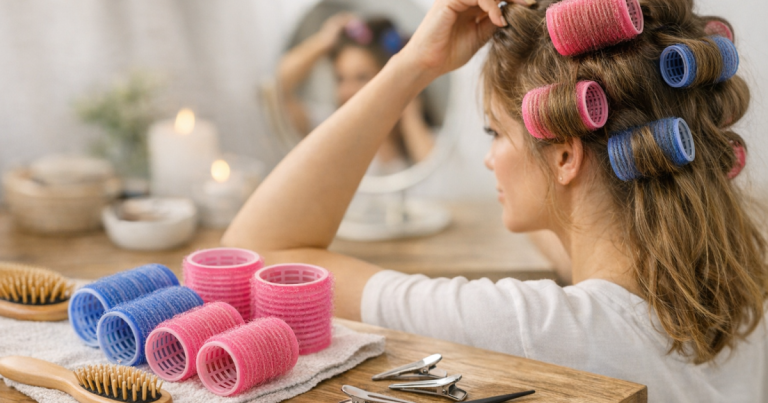
If your main issue is flat roots rather than curled lengths, Velcro rollers may be a better match because they can add lift at the crown and movement through the top layers. The technique matters, so start with the guide on setting Velcro rollers for long-lasting volume if your long hair drops quickly.
If your hair has mixed textures, different curl patterns or areas that need different levels of stretch, you may get better results from combining methods rather than expecting one headband to do everything. A detangling brush, silk wrap, satin heatless rod or rollers can all play different roles depending on where your hair needs control. The most important thing is matching the tool to the section of hair, not forcing one routine across the whole head.
Verdict + score
The RobeCurls Heatless Curling Headband is a strong heatless option for long hair if you want soft curls, reduced heat exposure and a routine that feels more refined than a dressing-gown belt hack. It is not the most powerful tool for dense, waist-length or hard-to-curl hair, and it will not replace a hot tool when you need highly polished, identical curls. But for everyday movement, gentle styling and prettier second-day hair, it earns its place. I’d score it 8.1/10.
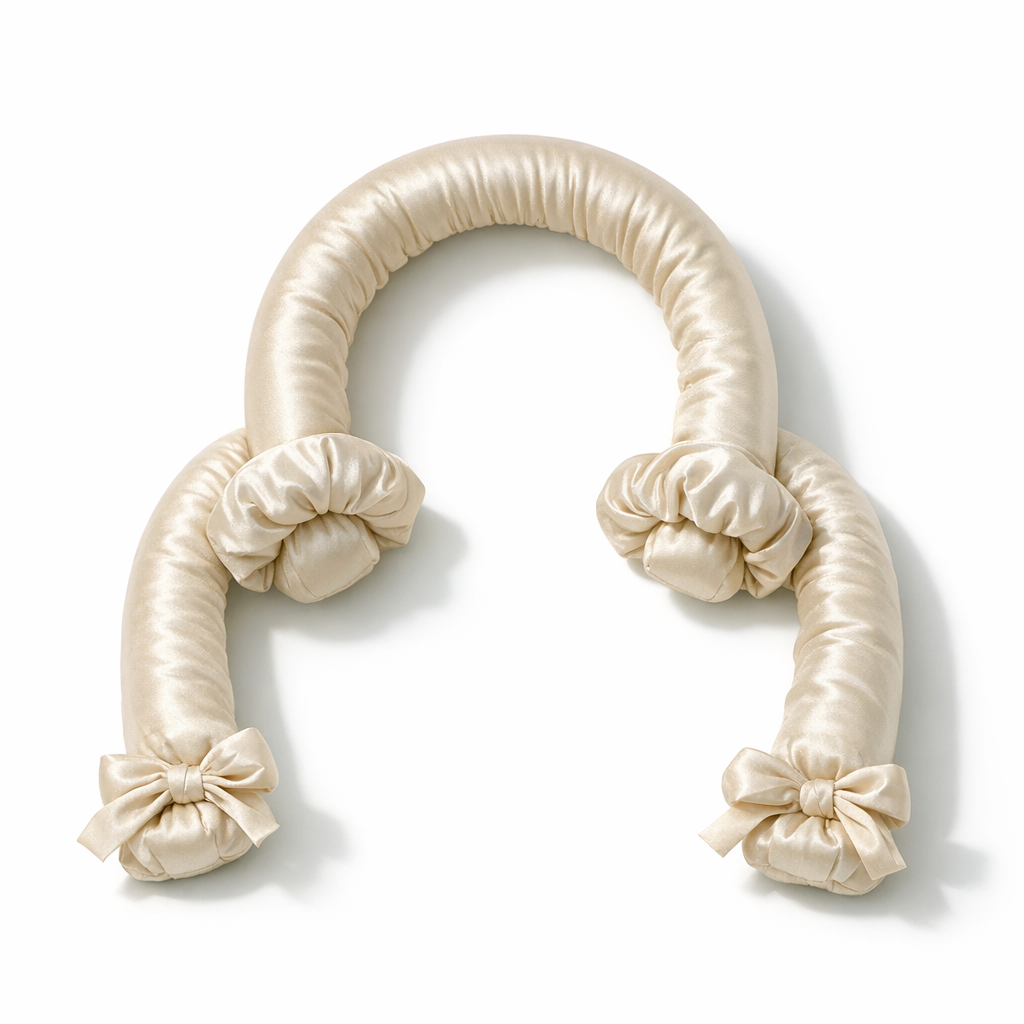
RobeCurls Heatless Curling Headband
Tr ol.
You might also like: L’Oréal Elvive Extraordinary Oil vs Moroccanoil Treatment for Heat-Styled Hair.