A good curling wand should make styling feel controlled rather than stressful: enough heat for lasting shape, a barrel that gives modern movement, and a finish that does not leave the ends looking frazzled. This Remington Proluxe Curling Wand review looks at whether it is a realistic everyday buy for at-home styling, not just a pretty tool that works well for one hair type.
In brief
The quick verdict: the Remington Proluxe Curling Wand is a strong mid-market choice if you like soft curls, brushed-out waves and a more polished finish than overnight heatless methods usually give. It is not the easiest option for complete beginners, because a clipless wand needs hand control, sectioning and a bit of patience around the ends.
It makes most sense for medium to long hair, layered cuts, and anyone who wants flexible styling without stepping up to a premium multi-styler. If your priority is zero heat, sleep-friendly curls or hands-free styling, a heatless tool will still be the gentler route.
Product overview
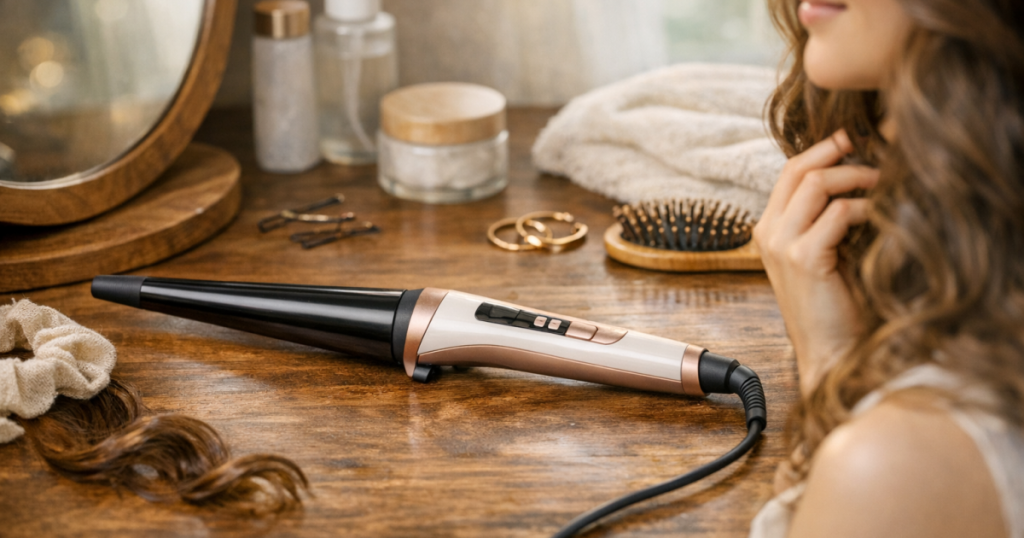
The Remington Proluxe Curling Wand is a heated, clipless curling wand designed for creating loose curls and glossy waves at home. It sits in the familiar Remington space: more considered than a very basic high-street styler, but still positioned as an accessible alternative to luxury tools.
The tapered wand shape is the main styling point. Rather than producing one uniform curl from root to tip, it helps create a softer, more relaxed finish, with movement that can look more modern once brushed through. That makes it particularly appealing if you like the look of salon waves but do not want to use straighteners for bending every section.
Because it is a wand rather than a tong with a clamp, technique matters. You wrap hair around the barrel manually, hold the ends carefully, then release the curl. That gives freedom over direction and looseness, but it also means you need to protect your fingers, work in clean sections and avoid rushing.
Key specs
- Product type: clipless heated curling wand.
- Brand: Remington.
- Styling aim: soft curls, loose waves and polished movement rather than tight, identical ringlets.
- Barrel: tapered wand design; check the current UK retailer listing for the exact barrel dimensions on the model you are buying.
- Temperature: variable heat settings are commonly listed for this range; use the lowest effective setting for your hair type and verify the exact range on the box or retailer page.
- Coating and technology: Remington markets the Proluxe range with styling-focused barrel coating and heat-distribution features; check the official product details if you are comparing versions.
- Best hair length: generally most useful on medium, long and extra-long hair, where there is enough length to wrap around the barrel safely.
- Included accessories: a heat glove or storage pouch may vary by retailer or bundle, so confirm what is in the box before checkout.
Pros and cons
Pros
- Creates a softer, more expensive-looking wave than many basic cylindrical wands.
- Good value for readers who want a heated styling upgrade without moving into premium tool pricing.
- The tapered shape gives flexibility: wrap wider sections for relaxed waves or smaller sections for more defined curls.
- Works well for layered hair because the curl pattern does not need to be perfectly uniform.
- Useful for event styling, second-day refreshes and smoothing pieces around the face.
Cons
- Not as beginner-proof as a tong with a clamp, especially if you are nervous around heat.
- Fine or fragile hair needs a careful lower-heat approach and shorter contact time.
- Very short hair may be awkward to wrap safely around the barrel.
- It is still a direct-heat tool, so it is not the best choice for daily styling on already dry or damaged lengths.
- The tapered shape will not give the same perfectly consistent curl from root to end as a uniform barrel tong.
Performance in real use
In practical styling terms, the Remington Proluxe Curling Wand is at its best when you want movement rather than a rigid curl set. On medium-density hair, it can create a polished wave pattern that looks intentionally styled but not overly formal. The curls tend to look best after cooling fully, then being loosened with fingers or a wide-tooth comb.
On fine hair, the biggest advantage is that you do not need to clamp the hair, which can help avoid clamp marks and harsh bends. The trade-off is control: fine hair can slip, wrap too tightly or take shape quickly, so smaller sections and a lower heat setting are usually wiser. A light styling spray before curling and a flexible hold mist afterwards will often be enough; heavy oils before heat can make fine hair fall flat.
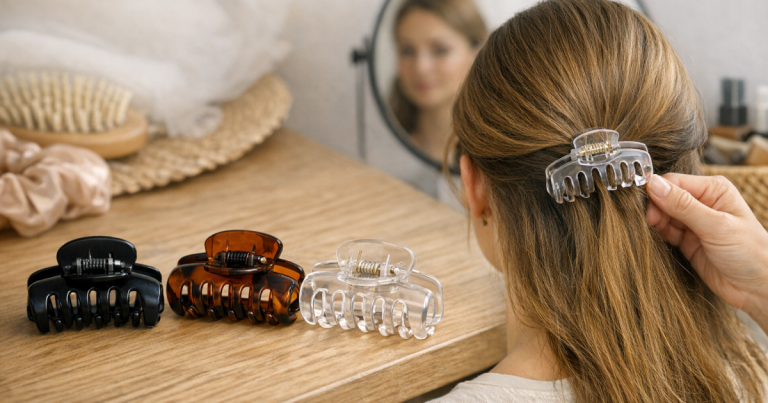
On thick hair, sectioning decides the result. The wand can work well, but only if you avoid taking chunky pieces and expecting salon-level definition in one pass. Start underneath, clip the upper layers away, and curl in manageable sections so the heat reaches the full strand. If your thick hair drops curls quickly, let each curl cool in your palm before releasing it fully, or pin the curl while you finish the rest of your head.
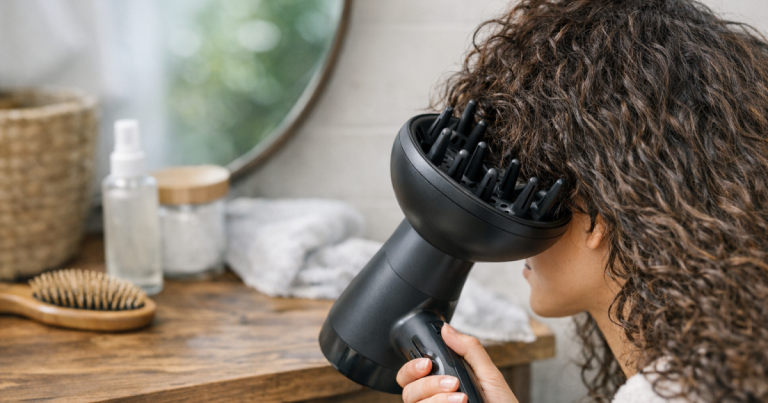
On wavy hair, this wand is useful for refining uneven bends and adding shape around the front. It is not always necessary to curl every strand; a few face-framing pieces and the top layer may be enough. If your natural texture looks better with airflow than direct heat, you may prefer to refresh with a diffuser first; this tutorial on how to use a diffuser attachment on wavy hair is a better starting point for enhancing texture before deciding whether to add wand detail.
On curly hair, the wand is most useful for touching up stretched, wonky or frizz-prone pieces rather than restyling the whole head. Match the wrap direction to your natural curl pattern where possible, and avoid repeatedly curling the same front sections day after day, as these tend to show dryness first.
Finish is where the tool feels strongest. Used on completely dry hair with tidy sections, it can give a smooth, glossy result that suits nights out, work events and photo-heavy occasions. If your ends are porous or bleached, use a heat protectant and consider a tiny amount of finishing oil only after the hair has cooled. For help choosing an oil that will not overwhelm your style, the comparison of L’Oréal Elvive Extraordinary Oil and Moroccanoil Treatment for heat-styled hair is a useful next read.
Ease of use improves quickly once you settle on a routine: dry hair fully, section neatly, curl away from the face at the front, alternate direction through the back for volume, then leave the curls alone while they cool. The most common mistake is brushing too soon. Give the shape time to set before softening it.
Who it’s best for / who should skip it
The Remington Proluxe Curling Wand is best for people who already like the look of loose waves and want a dedicated heated tool that feels more refined than a bargain-bin wand. It suits medium to long hair particularly well, including layered cuts, long bobs with enough length to wrap, and hair that needs help holding a polished shape.
It is also a good fit if you style occasionally rather than every morning. Used for weekends, work events or a couple of weekly refreshes, it offers a pleasing balance of finish and value. If you are building a small at-home styling kit, it pairs well with clips for sectioning, a detangling brush, a heat protectant and a lightweight finishing product.
Skip it if your main concern is avoiding heat damage altogether. A wand can be used carefully, but it cannot be made heatless. It may also be frustrating if you have very short hair, limited hand mobility, or no patience for wrapping and holding sections manually. Complete beginners may find a clamp tong easier at first, although the wand gives a softer finish once the technique clicks.
Alternatives
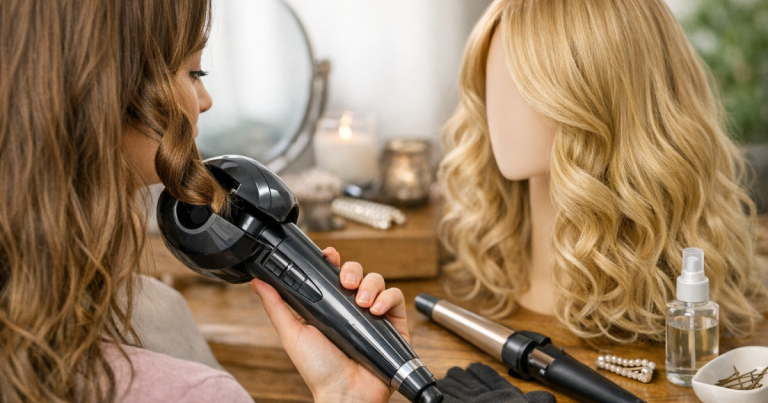
If you want the same soft, romantic effect with less reliance on heat, a satin heatless curling rod or curling ribbon is the obvious alternative. It will not give the same last-minute polish as a hot wand, but it is kinder for frequent styling and can be excellent for long hair that marks easily. Thick-haired readers should look at this guide to using heatless curling ribbons on thick hair without flat roots before assuming overnight curls will not work for them.
If you prefer a more uniform curl, a traditional curling tong with a clamp may suit you better than a tapered wand. The finish is usually neater and more controlled, but it can look less effortless unless you brush and break up the curls well.
Questions people ask
Can you use the Remington Proluxe Curling Wand on fine hair?
Yes, but use smaller sections, a lower heat setting and brief contact time. Fine hair often takes shape quickly, so more heat is not automatically better.
Does it work on thick hair?
It can, provided you section properly. Thick hair usually needs smaller, cleaner sections and a full cooling period before brushing out.
Is a curling wand better than a curling tong?
A wand gives softer, more relaxed waves with no clamp mark. A tong is easier for beginners and better if you want a more uniform curl pattern.
Should hair be wet or dry before using it?
Use it only on completely dry hair. Styling damp hair with direct heat can roughen the finish and increase the risk of visible dryness.
How do you make the curls last longer?
Prep with light hold, curl in clean sections, let each curl cool fully, then brush out gently. Heavy products before styling can make curls drop faster.
Verdict + score
The Remington Proluxe Curling Wand is a polished, sensible buy for soft waves, long layers and occasional heat styling at home. It is not the most foolproof tool for absolute beginners, and it will not replace heatless styling if hair health is your top priority, but it delivers a smooth finish and flexible curl shape for the right user. For value, finish and everyday practicality, it earns 8.2/10.
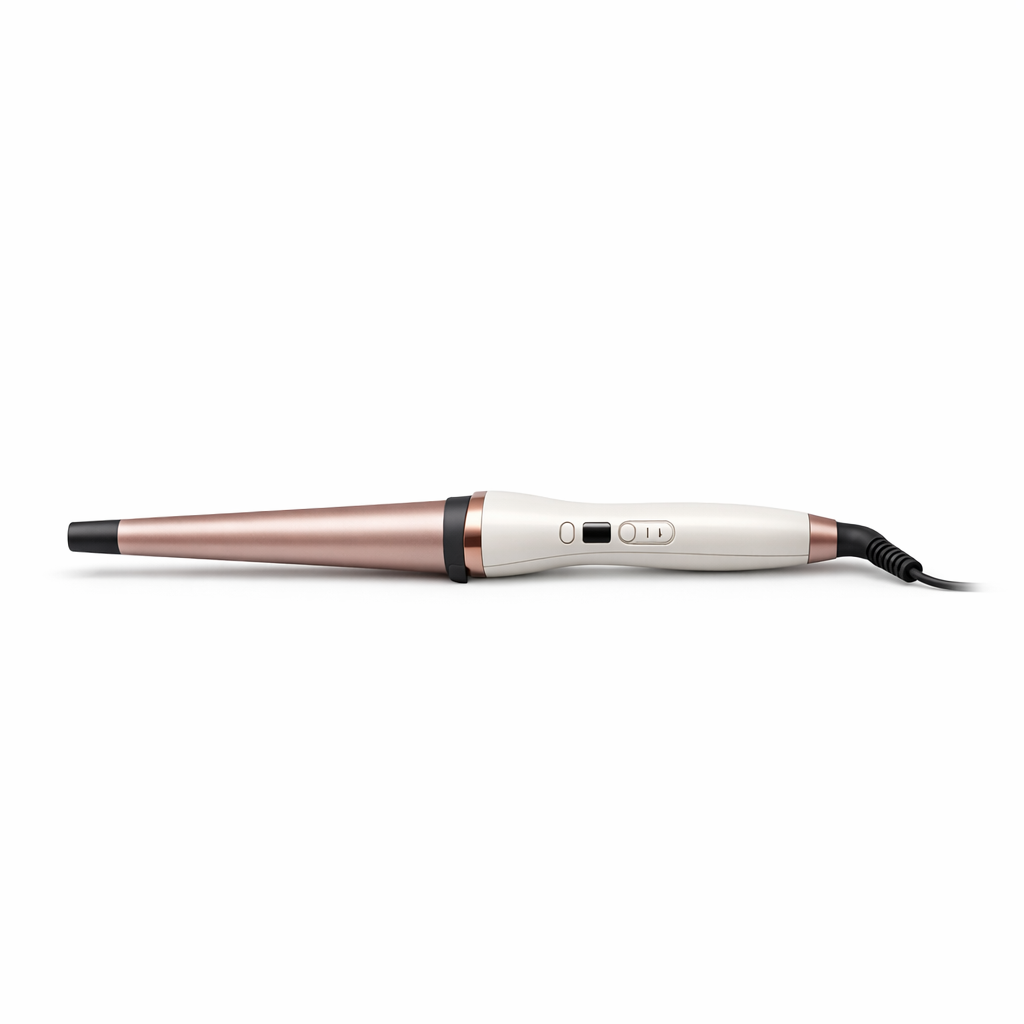
Remington Proluxe Curling Wand
For value, finish and everyday practicality, it earns 8.2/1 0.