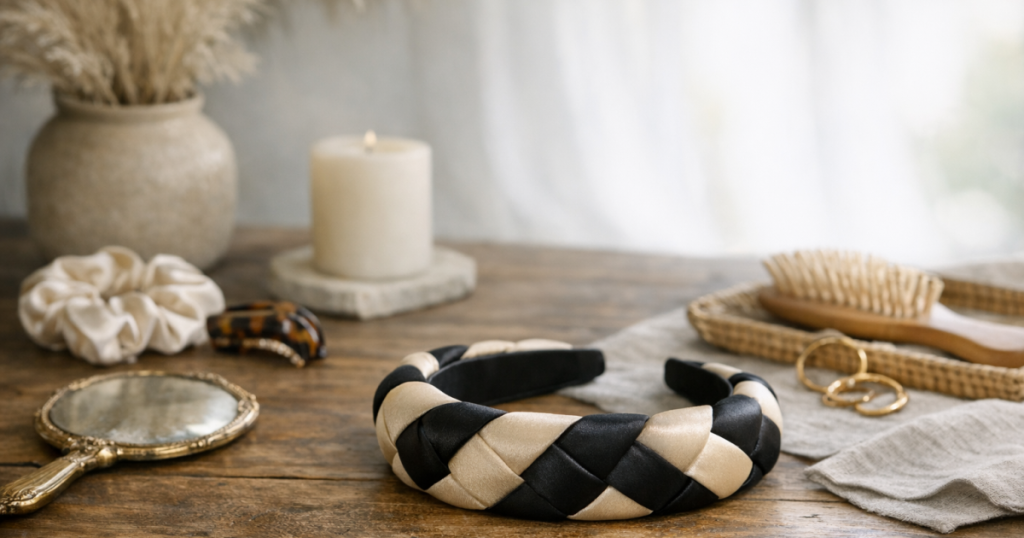
A good headband should do the small but important jobs well: keep hair off your face, make second-day hair look deliberate, and avoid that tight, pressing feeling by lunchtime. This L. Erickson Luxe Headband review looks at how it performs as an everyday polished hair accessory, not just whether it looks chic in product images.
Quick verdict: it is a strong option if you want a grown-up, easy finishing piece for loose hair, blow-dried styles, buns and heatless waves. It is less persuasive if your main concern is workout-level grip or a very secure hold on silky, freshly washed hair. If you are building a fuller routine around your hair type and preferred finish, our guide to the best hair styling tools by goal and hair type is a useful place to go next.
Product overview
The L. Erickson Luxe Headband belongs in the polished hair accessory camp rather than the sporty, elastic or ultra-grippy one. Its main appeal is how quickly it makes a simple style look more considered: loose waves with the front tucked away, a low bun with a smoother crown, or a brushed-out blow-dry that needs a little shape around the face.
As with many fashion-led accessories, colourways, finishes and stock can differ depending on the retailer. UK shoppers should check the exact finish, returns policy and current price in £ before buying. That is worth doing because the value here really depends on whether you will wear that particular shade or pattern often. A neutral tortoiseshell, black or soft metallic-style finish will usually earn its place more easily than a statement colour you only fancy now and again.
It is best viewed as a styling finisher. It will not replace sectioning clips while you blow-dry, and it will not work like a claw clip for gathering a full head of hair. What it does nicely is add structure without heat, making it handy for smoothing the hairline after overnight curls, stretching wash day, or making air-dried texture look more intentional.
Key specs
- Brand: L. Erickson.
- Product name: L. Erickson Luxe Headband.
- Product type: rigid hair headband.
- Best styling role: finishing, face-framing control and low-effort polish.
- Heat required: none.
- Power, battery or app: not applicable.
- Hair length suitability: most useful on bob length and longer, although it can work on shorter cuts if the front layers are long enough to tuck back.
- What to verify before buying: exact material, width, colourway, finish, retailer return terms and current UK price.
Pros and cons
Pros
- Instantly dresses up simple hair: it can make a low bun, loose waves or brushed-back hair look styled without needing heat or extra product.
- Useful for heatless routines: it works well after overnight curls or roller styling when you want to neaten the front without squashing the rest of the shape.
- More refined than basic plastic headbands: the overall look feels smarter and more accessory-led, so it suits workwear, dinner plans and tidy everyday styling.
- Low maintenance: there is no charging, plate cleaning, software, temperature setting or complicated technique to learn.
- Good for stretching wash day: it helps distract from roots that are not at their freshest while still letting the lengths show.
Cons
- Grip is not the main selling point: if you want something for workouts, active commuting or very slippery hair, a rubberised or fabric option may feel more dependable.
- Comfort depends on head shape: rigid headbands sit differently on different people, so it is worth checking the returns policy before ordering.
- Not a sectioning tool: it is made for styling and finishing, not for holding large sections out of the way while you curl, dry or straighten.
- Value depends on wear frequency: a premium-looking headband only really pays off if the colour and shape suit your usual outfits and hair routine.
- May lift at the crown on dense hair: very thick or highly textured hair may need careful placement to stop the band sitting too high.
Performance in real use
Its biggest strength is the visual polish. On straight and softly wavy hair, the L. Erickson Luxe Headband gives an immediate “finished” effect: it smooths the front, defines the parting area and makes loose hair look styled rather than simply pushed back. It is especially useful on days when you have done very little to the lengths but still want the front to look neat.
On fine hair, it tends to work best when the roots have a little grip. Freshly washed, silky hair can let rigid headbands move around more easily, so a day-two base, a touch of dry shampoo or a slightly undone blow-dry gives it more to hold onto. If your fine hair marks easily, do not push the band too far back. Place it where you want the hairline to sit, then tease small front pieces into position with your fingers.
On thick hair, the result depends on how much density you have around the crown. If your hair has plenty of volume, the headband can look very chic worn closer to the hairline, almost as a framing accessory. Push it too far back through dense hair and you may get lift behind the band, or it may simply feel less secure. For thick, layered hair, it works particularly well with a low bun: the band controls the front, while the bun deals with the bulk.
Curly and coily hair benefits from a gentler approach. The headband looks best when it works with the shape of the hair rather than trying to compress it. Instead of dragging it backwards through dry curls, place it carefully at the front and let the texture sit around it. For tighter curls, check the underside finish before committing. Anything that catches, scrapes or feels rough is best avoided, especially if your strands are prone to frizz or breakage.
Durability is hard to judge without long-term use across the same colourway and batch, so the sensible check is construction. Look for smooth edges, a stable shape and a finish without obvious bubbling, rough joins or weak points. Storage makes a difference too. Any rigid headband can scratch or warp if it is thrown into a packed handbag or drawer, so it is better kept flat or tucked into a small accessory pouch.
There is no battery life, app accuracy or heat performance to assess, which is part of the appeal. The result comes down to fit, finish and whether the band suits your texture. Compared with heated tools, the risk of over-styling is very low. Compared with soft fabric bands, the look is more elevated, though generally less flexible.
Who it’s best for / who should skip it
Best for: anyone who likes neat, low-effort styling and wants a reusable accessory that makes everyday hair look more put together. It is especially useful for medium to long hair, soft waves, bobs with grown-out front sections, and anyone who often wears low buns, loose lengths or heatless curls.
It also suits people who prefer accessories that blend into an outfit rather than shout for attention. If your wardrobe leans towards tailored coats, simple knits, shirts or understated dresses, a polished headband can be surprisingly versatile. It is the sort of piece that works for school runs, office days, lunch plans and relaxed evenings, as long as you choose a colourway you genuinely reach for.
Skip it if: you need serious hold for sport, very active days or slippery hair that tends to reject most rigid accessories. It is also not the best use of your budget if you rarely wear your hair down, or if you prefer claw clips, scrunchies and practical grips over decorative finishing pieces.
Those with sensitive scalps should be especially selective. The right rigid headband can feel comfortable for hours, but the wrong curve may press behind the ears or at the temples. Because fit is so personal, UK buyers are better off choosing retailers with clear returns terms rather than assuming a premium headband will suit every head shape.
Alternatives
If stronger hold matters more to you than a polished accessory finish, clips may be the better choice. Our Scunci No-Slip Grip Hair Clips review is worth reading if you want something more practical for pinning sections, securing layers or keeping hair controlled while styling.
If you like the idea of a headband but want a softer feel, compare fabric-covered or satin-style headbands from recognisable accessory brands. Pay attention to the width, underside texture and return policy before buying. A soft padded band can feel kinder on sensitive scalps, while a slimmer rigid band usually looks cleaner with sleek hair and tailored outfits. The better choice depends less on trend and more on whether comfort, grip or polish matters most to you.
Verdict + score
The L. Erickson Luxe Headband is a stylish, practical finishing accessory for anyone who wants their hair to look more intentional without using heat. It is not the strongest pick for high-grip needs, workouts or very slippery hair, but for everyday polish, face-framing control and making simple styles look smarter, it performs well. Buy it if the colourway suits your wardrobe, the retailer offers sensible returns, and you want a headband that feels more grown-up than a basic high-street option. I’d give it 8.3/10.
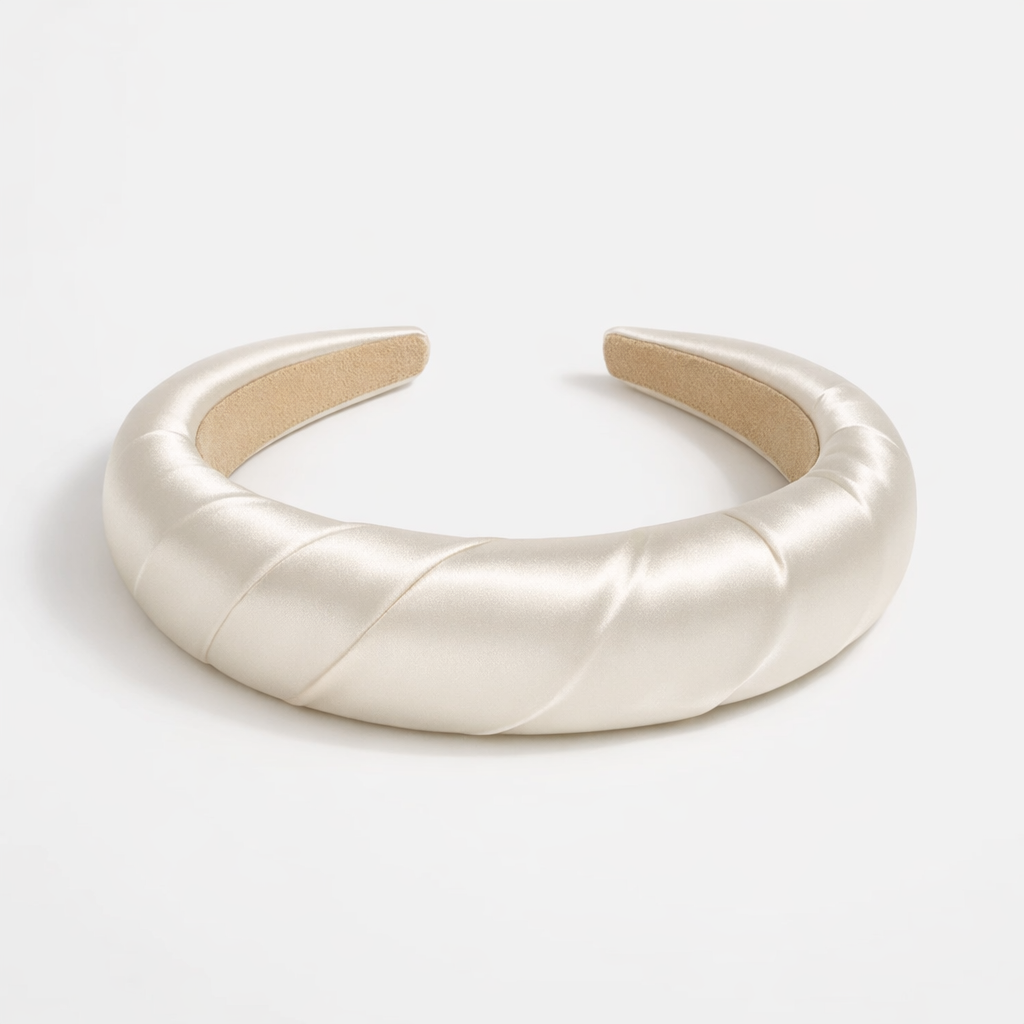
L. Erickson Luxe Headband
T he small but important jobs well: keep hair off your face, make second-day hair look deliberate, and avoid that tight, pressing feeling by lunchtime.
You might also like: Dyson Airwrap vs Shark FlexStyle: Best for Thick Hair?.