Used on wet curls with enough slip, a styling brush can turn fluffy, uneven clumps into more deliberate shape. This Denman D3 Original Styler review looks at whether the cult seven-row brush still earns its place for heatless curl definition, or whether it is better left to people who already enjoy a high-control wash-day routine.
The short version: the Denman D3 Original Styler is excellent for creating tidy curl clumps, ribbon-like waves and more consistent ends, but it is not a magic detangler and it can reduce volume if used too aggressively. It suits patient styling more than quick scrunch-and-go hair.
Product overview
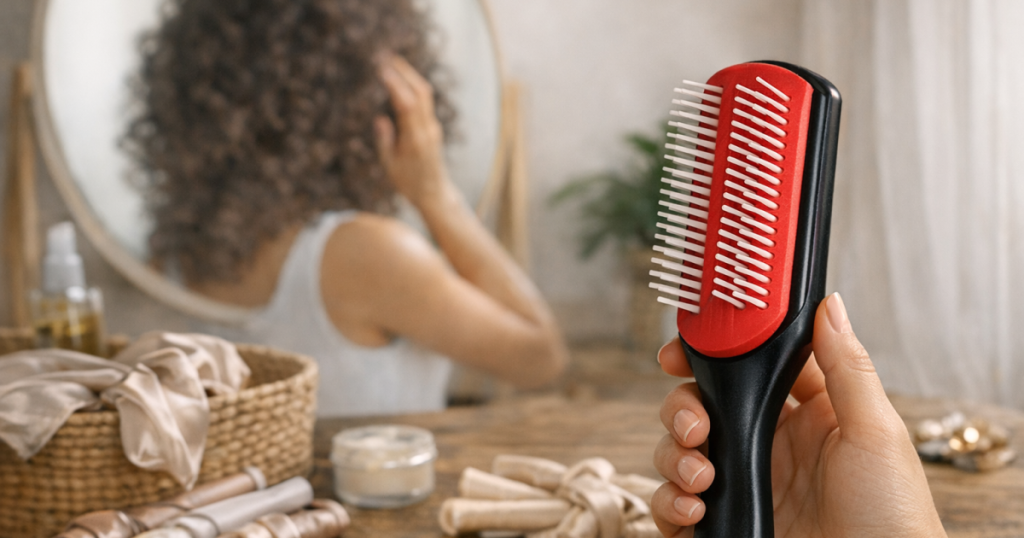
The Denman D3 Original Styler is a classic handled styling brush with a cushioned pad and seven rows of smooth pins. It is often used on damp hair after leave-in conditioner, curl cream or gel, either to brush product through evenly or to create defined sections before scrunching and air-drying.
For heatless styling, its appeal is control. Instead of relying on a curling wand or hot brush to impose shape later, the D3 helps organise the curl pattern while the hair is wet. That matters because curls and waves tend to set in the shape they dry in. If the hair dries in separated, frizzy strands, the result looks less polished; if it dries in well-formed clumps, you can get a more intentional finish without heat.
It is not the softest option for every scalp, and it is not the most forgiving brush for dense, knotty or fragile hair when used carelessly. The D3 works best when hair has already been gently detangled, has adequate product slip, and is handled in sections rather than dragged from roots to ends in one go.
A sensible first test is simple: use it on one side of your hair only, then air-dry both sides. If the brushed side dries with better clumps, smoother ends and less halo frizz, the tool is doing something useful for your routine. If it dries flatter or stringier, you may need lighter tension, fewer brush passes, more water, or a different heatless method altogether.
Key specs
- Product type: handled wet-styling and defining brush.
- Pin layout: seven rows of smooth styling pins set into a cushioned pad.
- Best use: distributing styling product and shaping wet or damp waves, curls and some coil patterns.
- Finish aim: cleaner clumps, more controlled ends and reduced fluffy separation before air-drying or diffusing.
- Heatless relevance: helps hair dry into a more deliberate curl pattern without using a curling wand, straightener or heated styler.
- Hair condition needed: works most comfortably when hair has slip from water, conditioner or styling product.
- Maintenance: remove trapped shed hair regularly and wash away product build-up from the pad and pins.
- Before buying: check the retailer’s listing for the exact colour, packaging and current product details, as ranges and finishes can vary.
Pros and cons
Pros
- Creates more uniform curl clumps than finger-raking alone for many wavy and curly routines.
- Useful for distributing leave-in conditioner, curl cream or gel evenly through lengths.
- Can smooth frizz-prone ends before the hair sets, which is particularly helpful for heatless air-drying.
- The handle gives good control for brush-twirling, ribbon styling and section-by-section shaping.
- Works well as a technique tool, so you can adjust tension, angle and section size rather than relying on heat.
Cons
- Can flatten roots if you brush straight down from the scalp without lifting or shaking the hair back out.
- May feel too firm on tender scalps or fragile hair if used with poor slip.
- Not ideal as a first-pass detangler on very knotty, dense or coily hair.
- Can create stringy definition if sections are too small or too much gel is brushed through.
- Needs practice; the result depends heavily on technique, water level and styling product choice.
Performance in real use
The D3 performs best when it is treated as a shaping brush rather than a knot-removal brush. On soaking-wet or well-dampened hair, it glides more predictably and encourages strands to gather together. On hair that is only slightly damp, it can pull clumps apart and make frizz more visible before the hair has even dried.
For loose waves, the main benefit is tidiness. Brushing product through with the D3 can make waves look less random, especially around the face and at the ends. The trade-off is that too much downward tension can stretch the pattern, so wavy hair usually benefits from brushing away from the scalp, scrunching immediately afterwards, and avoiding repeated passes.
For curly hair, the brush can produce more obvious curl families. A common method is to work in medium sections, brush underneath the section with the pins facing outwards, then let the hair spring back before scrunching. Some people also twist the brush slightly at the ends to encourage a more polished curl finish. This can look beautiful, but it is slower than raking product through with your fingers.
For dense hair, sectioning matters. If you try to force the brush through a large section, the top layer may smooth while the underneath remains tangled or uneven. Smaller sections give better product coverage and more consistent clumps, though they also add time. If you are not sure whether your main challenge is density, strand texture or both, the hair-type breakdown in this guide to hair density versus texture is a useful next read.
Fine hair is more mixed. The D3 can make fine waves look neater, but it can also take away airy volume if you over-brush. Fine, low-density hair often does better with very wet styling, light product and only a few deliberate brush strokes through the lengths. Avoid pressing the brush hard against the scalp unless you want a sleeker, flatter result.
On coils and tighter curl patterns, the D3 can be helpful for definition, but it is not automatically the gentlest or quickest option. Hair should be hydrated, detangled in stages and worked in manageable sections. Some coil patterns may prefer finger-coiling, a wide-tooth comb, or a brush with a more flexible feel, depending on shrinkage, fragility and the level of definition desired.
Root volume is the biggest compromise. The D3 is excellent at smoothing and aligning hair, but smoothing is not the same as lift. If your dream result is big, airy, lived-in volume, use the brush selectively through mids and ends rather than flattening everything from the root. After brushing, flip sections away from the scalp, scrunch upwards, and avoid touching the hair while it dries.
Frizz control is good when the brush is used with enough water and product. It is less impressive when used dry, or when the hair is already starting to set. Dry brushing curls with a D3 is likely to create puffiness unless you are intentionally brushing out a set for a softer, brushed-wave look.
Maintenance is straightforward but important. Curl creams and gels can collect around the base of the pins, so the brush needs regular cleaning. A brush with old product residue will not glide as smoothly, and build-up can transfer back onto freshly washed hair. Remove shed hairs after styling and wash the brush periodically with warm water and a gentle cleanser, then let it dry thoroughly.
Who it’s best for / who should skip it
The Denman D3 Original Styler is best for people who want more controlled curl definition from a heatless routine and do not mind spending a few extra minutes on technique. It is especially useful if your curls form well when wet but dry unevenly, or if your ends tend to look fluffy despite using styling product.
It is also a strong fit for wash-day stylers who like visual precision. If you enjoy seeing neat clumps before you dry your hair, the D3 is satisfying. It gives you more control than scrunching alone and can make air-dried hair look more styled, even without hot tools.
Skip it, or at least do not make it your main tool, if your hair tangles severely, your scalp is sensitive, or your top priority is maximum root volume. It may also frustrate you if you prefer a very fast, low-intervention routine. The D3 rewards technique; it is not the most effortless tool in the drawer.
If your current issue is that waves collapse while drying rather than lacking clump definition, drying method may be the bigger upgrade. The step-by-step advice in how to use a diffuser attachment on wavy hair explains how airflow, cup position and drying angle can preserve shape without turning the routine into full heat styling.
Questions people ask
Should the Denman D3 Original Styler be used on wet or dry hair?
For curl definition, use it on wet or damp hair with slip. Dry brushing curls usually separates the pattern and can create frizz unless you are deliberately brushing out a set.
Does it replace a detangling brush?
Not for everyone. It can help smooth already conditioned hair, but very tangled, dense or fragile hair is usually better detangled gently first before using the D3 for styling.
Will it make curls tighter?
It can make curls look more organised and springy, but it does not permanently change your curl pattern. The result depends on water, product, tension and how your hair naturally dries.
Can it work without gel?
Yes, but hold may be softer and definition may drop faster. A light cream or leave-in can be enough for some waves, while curls that lose shape quickly may need gel or mousse.
Alternatives
If you like the idea of brush styling but find the D3 too firm or too flattening, the most sensible alternative is not automatically another brush. First, adjust the method: use larger sections, less tension, more water, and brush away from the roots rather than down the head. Small changes can make the same tool feel much more curl-friendly.
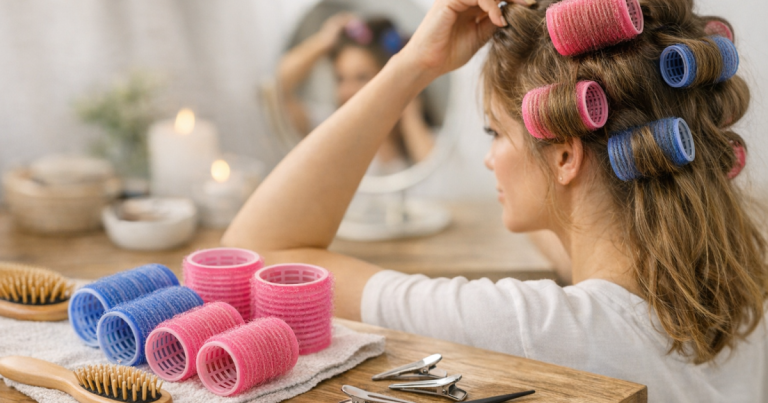
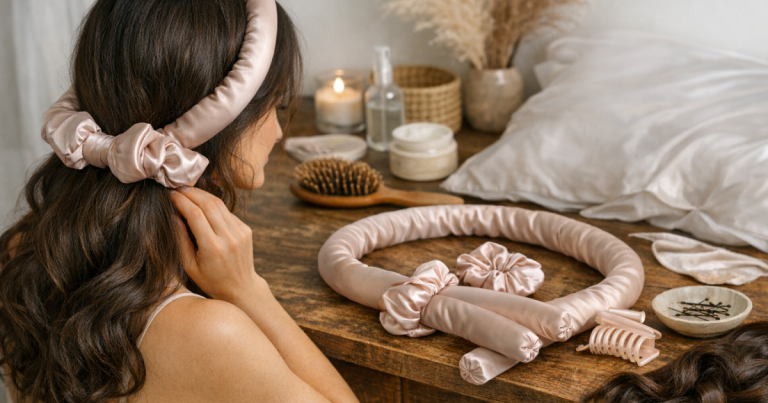
If your goal is looser, heatless shaping rather than curl clumping, satin curling rods or soft overnight methods may suit you better. They create a more set wave pattern, while the D3 enhances the pattern your hair already has. If your goal is volume, Velcro hair rollers at the crown can be more useful than repeatedly brushing the roots flat.
For readers who want a named alternative within the Denman family, a wider-spaced styling brush such as the Denman D31 can be worth comparing in-store or through retailer descriptions, particularly for thicker curls. Do not assume it will be better for everyone; the right choice depends on how much tension, separation and control your hair can tolerate.
Verdict + score
The Denman D3 Original Styler remains a genuinely useful heatless curl-definition tool, provided you want control more than speed. It is at its best on wet, product-prepped hair where it can form cleaner clumps, smooth frizz-prone ends and help curls dry with more intention. It is less convincing for tender scalps, very rushed routines, heavy root volume or hair that needs serious detangling before styling. For the right wavy or curly routine, it is a small tool that can make a visible difference, but technique matters as much as the brush itself. Score: 8.3/10.
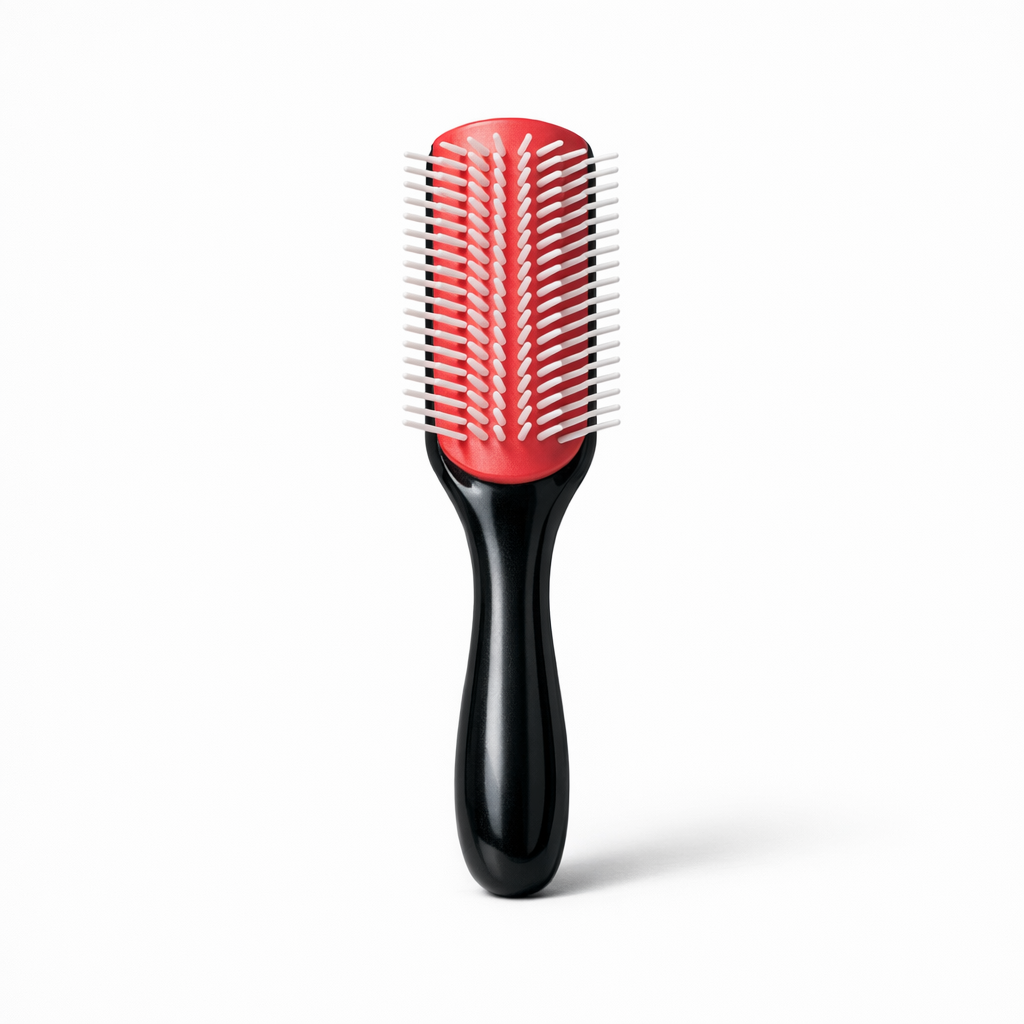
Denman D3 Original Styler
For the right wavy or curly routine, it is a small tool that can make a visible difference, but technique matters as much as the brush itself.
You might also like: Is the Invisibobble Original Gentler Than Regular Hair Ties?.