Some straighteners promise glassy shine but leave fine hair flat or textured hair half-finished. This GHD Professional Hair Straightener review focuses on the real at-home question: does it make daily smoothing easier without pushing you into a full salon routine?
The short verdict: it is a strong choice if you want dependable, polished straightening from a recognised salon-led brand, but it is not the most flexible option for everyone. The main thing to check before buying is the exact GHD version being sold, because plate format, temperature behaviour, warranty terms and included accessories can vary by listing and retailer.
Product overview
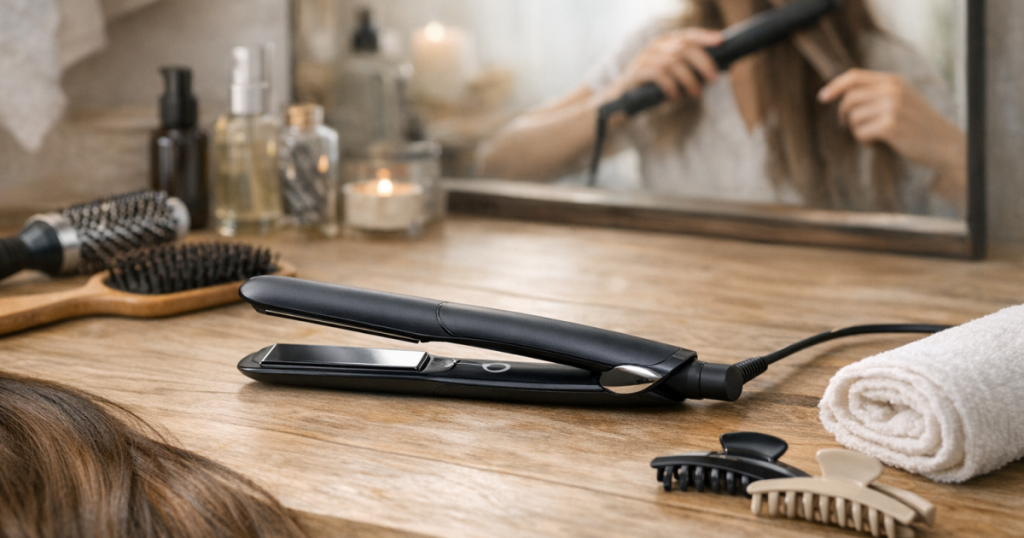
The GHD Professional Hair Straightener sits in the classic heated-styler camp: it is designed for smoothing, straightening and refining sections of hair with heated plates rather than creating volume through airflow or a heatless set. That makes it most useful for people who already dry their hair separately and want a finishing tool for sleeker lengths, tidier ends or a more controlled fringe.
GHD’s reputation is built around salon-style straighteners that aim to be straightforward rather than gadget-heavy. For home users, that matters. A good straightener should not need ten technique changes before it gives a decent finish. It should glide without snagging, feel balanced in the hand and let you work in small enough sections to get an even result.
Before deciding whether this is the right tool, start with your hair’s density, porosity and styling goal. If you are unsure, the guide to identifying your hair type before buying styling tools is a useful next step, especially if your hair behaves differently at the roots and ends.
Key specs
- Brand: GHD.
- Reviewed product: Professional Hair Straightener.
- Product type: heated hair straighteners for smoothing, straightening and shaping dry hair.
- Best-used on: fully dried hair that has been detangled and protected with a suitable heat protectant.
- Hair goals: sleeker lengths, smoother frizz-prone sections, refined ends and a more polished finish.
- What to verify before buying: exact model generation, plate width, heat behaviour, UK plug, warranty terms and retailer returns policy.
- Notable buying check: make sure the listing is for the genuine GHD product, not a vague “professional-style” straightener using similar wording.
Pros and cons
Pros
- Reliable brand recognition: GHD is a familiar name in UK salons and at-home styling, which makes it easier to find user feedback and replacement buying information.
- Good for polished everyday smoothing: it suits people who want a straighter, neater finish without building a complicated tool routine.
- Useful on multiple hair lengths: it can work for fringes, bobs, shoulder-length cuts and longer hair, provided the plate size matches your styling habits.
- Simple styling logic: section, glide and finish; there is no learning curve around rollers, clips or airflow direction.
- Strong for detail work: it can refine face-framing pieces, tucked-under ends and small areas that look fluffy after blow-drying.
Cons
- Not a heatless option: if your priority is reducing heat exposure, this is not the gentlest route.
- May flatten fine hair: fine or low-density hair can lose movement if every section is straightened from root to tip.
- Less suitable for wet-to-dry styling: heated straighteners are generally a finishing tool, not a replacement for a hair dryer.
- Exact details vary by listing: buyers need to check the product page carefully rather than assuming all GHD straighteners have identical plates, controls or accessories.
- Not ideal for root volume: it smooths better than it lifts, so flat roots may still need rollers, a dryer brush or styling technique changes.
Performance in real use
On straight and slightly wavy hair, the GHD Professional Hair Straightener is at its best when used as a finishing tool after a decent dry. Work in clean, narrow sections and the result is smoother, more deliberate hair rather than the soft, airy finish you would get from a blow-dry brush. It is particularly helpful when the outer layer turns fluffy in damp British weather and you want a quick tidy-up before leaving the house.
For fine hair, the main risk is over-polishing. A straightener can make fine strands look sleek quickly, but it can also remove too much body. The better approach is to avoid clamping close to the root unless you genuinely want a very flat finish. Concentrate on the mid-lengths and ends, use fewer passes, and keep styling product light so the hair does not collapse by lunchtime.
Medium-density hair is likely to get the most straightforward benefit. The tool gives enough control for smoothing without demanding tiny sections every time. If your hair is colour-treated or prone to dryness at the ends, a heat protectant and slower, more deliberate passes are usually better than repeatedly going over the same area.
Thick, coarse or very curly hair needs more realistic expectations. The straightener can help smooth and stretch, but the result depends heavily on section size, pre-drying quality and how resistant your curl pattern is. If you want a pin-straight finish on dense hair, expect more time and careful sectioning. If your goal is simply to reduce puffiness and create a neater shape, it is a more manageable match.
Frizz control is where the tool earns its place for many users. It can compress flyaway-prone sections and give the surface a shinier look, but shine is not created by the straightener alone. Hair condition, cuticle damage, humidity, product residue and brushing all affect the final result. If your hair feels rough before styling, the finish will still have limits.
Ease of use is a genuine plus. A straightener is one of the most intuitive heated tools: there is no wrap direction to remember and no roller placement to plan. The trade-off is that it puts concentrated heat directly onto the hair, so it rewards restraint. For most home routines, using it only where needed gives a fresher result than straightening the whole head automatically.
Maintenance is simple but easy to ignore. Let the plates cool fully, wipe away product build-up with a suitable soft cloth as recommended by the manufacturer, and store the tool where the cable is not tightly twisted. Product residue can affect glide, so this matters if you regularly use heat protectant sprays, oils or smoothing creams.
Who it’s best for / who should skip it
The GHD Professional Hair Straightener is best for people who want a polished, controlled finish and already know they like the look of straightened hair. It suits straight, wavy and medium-density hair particularly well, and it can be useful for taming specific areas on thicker hair. It is also a sensible pick if you prefer a recognised brand and want a tool that feels familiar rather than experimental.
Skip it if your main goal is volume, big bends or heat-free styling. Fine hair that falls flat easily may be better served by root-focused tools, Velcro rollers or selective straightening only around the face. If your hair is fragile, heavily bleached or breaking, reduce heated styling and prioritise conditioning, detangling and gentler shaping methods.
Things readers ask
Can it replace a hair dryer?
No. A straightener is a finishing tool for dry hair. Dry the hair first, then use the straightener to smooth or shape selected sections.
Is it suitable for short hair?
It can be, particularly for bobs, fringes and face-framing pieces. Check the plate size before buying, as wider plates can feel awkward on very short layers.
Will it make curly hair completely straight?
It depends on curl pattern, density and preparation. Curly hair usually needs careful blow-drying, smaller sections and realistic expectations about humidity and reversion.
What should UK buyers check before ordering?
Check for a UK plug, authentic retailer details, return terms, warranty information and the exact GHD model being sold.
Alternatives
If you like sleek hair but want to compare tool types before committing, the guide to choosing between straighteners, curlers, rollers and dryers will help you decide whether a straightener is genuinely the right category for your routine.
For a similar heated-straightening route, Cloud Nine The Original Iron is the obvious alternative to consider because it targets the same sleek, controlled styling goal. For lower-heat days, a silk hair wrap or satin heatless curling rod will not give the same glassy straight finish, but they can help preserve smoother lengths or create softer shape without another full heat session.
Verdict + score
The GHD Professional Hair Straightener is a dependable, beauty-cupboard-worthy tool for people who want smooth, neat, salon-inspired hair at home without overcomplicating the process. It is strongest for straight, wavy and medium-density hair, useful for detail smoothing, and less ideal if your priority is root lift, heatless styling or maximum flexibility. Its biggest caveat is buying clarity: confirm the exact listing details before you pay, because “professional” wording alone is not enough. Overall rating: 8.4/10.
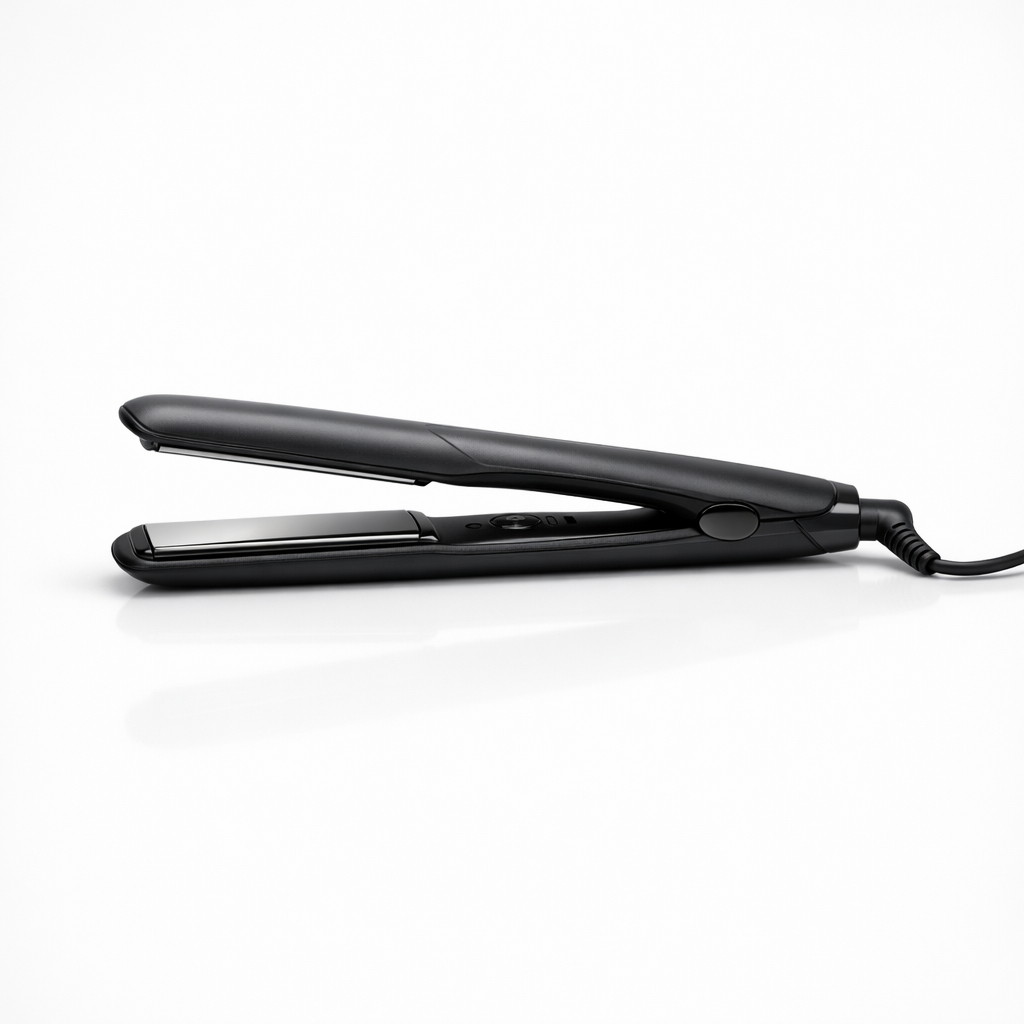
Professional Hair Straightener
Truste
You might also like: Fine Hair Styling Tools: Volume, Hold and Heat Control.