A premium brush only earns its space on a dressing table if it genuinely improves the finish, not just the ritual. This Mason Pearson Popular Mixture Hair Brush review looks at whether the famous mixed-bristle design is worth considering for breakage-prone, thick or frizz-prone hair, and where it falls short for heatless styling routines.
The quick verdict: it is a beautifully made finishing and smoothing brush, not a miracle detangler. It suits hair that has already been gently worked through, and it makes the most sense if you value polish, scalp comfort and long-term tool quality over a low initial spend.
Main points
- Best for dry brushing, smoothing, styling prep and distributing natural oils through the lengths.
- Less ideal as a first-pass detangler on wet, knotted, very curly or fragile hair.
- The mixed boar-and-nylon bristle feel gives more grip than a pure boar brush, which helps on medium to thicker hair.
- The premium price is the main sticking point, so it should replace several lesser-used brushes rather than become an occasional extra.
Product overview
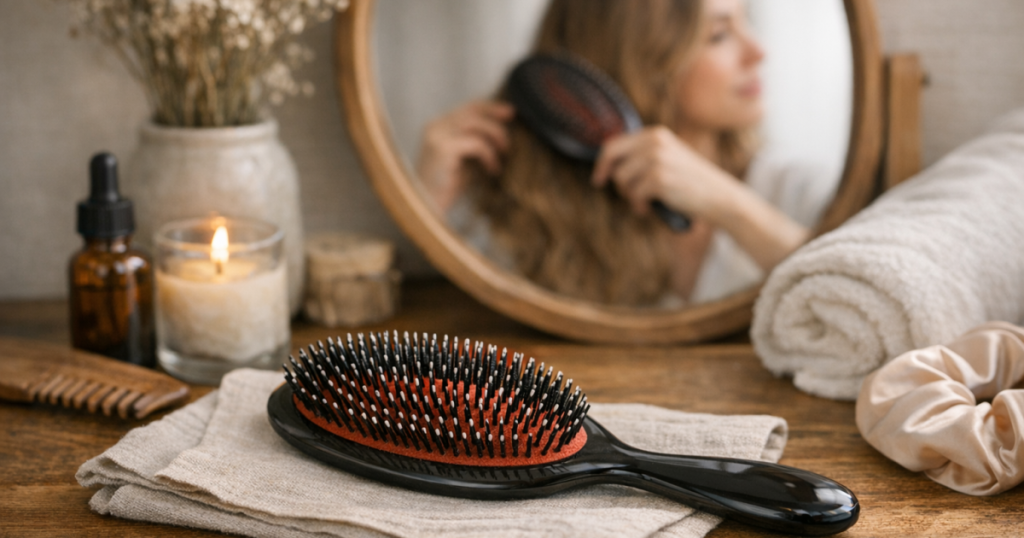
The Mason Pearson Popular Mixture Hair Brush is one of the brand’s best-known mixed-bristle brushes, combining natural boar bristles with nylon tufts set into a cushioned base. In everyday terms, that means it is designed to smooth and dress the hair while still giving enough structure to move through more than just the surface layer.
It feels more like a classic dressing brush than a modern detangling brush. The handle is rigid, the cushion has a controlled give, and the bristles offer noticeable tension. That tension is exactly why some people love it: it can leave hair looking neater, softer and more polished. It is also why it is not the brush to drag through knots at speed.
For at-home styling, its strongest role is prep. Use it before heatless curls, Velcro rollers, a silk wrap or a low-frizz blow-dry finish, and it can help create a smoother canvas. If your hair is tangled after washing, sleeping or wearing a high collar, start with a gentler method first; our guide to detangling hair before heatless styling without frizz explains the order that protects the ends better.
Key specs
- Product type: mixed boar bristle and nylon hair brush.
- Brand: Mason Pearson.
- Primary use: dry brushing, smoothing, finishing and styling preparation.
- Bristle feel: firmer than a pure boar bristle brush because of the nylon tufts.
- Cushion: flexible cushioned pad designed to move with brushing pressure.
- Hair state to use on: best on dry or mostly dry hair that has already been eased through.
- Care checks: remove trapped hair regularly and follow the brand’s cleaning guidance rather than soaking the brush.
- Buying checks for UK readers: verify the exact model name, colour, current £ price, returns policy and that the retailer is a genuine stockist.
Pros and cons
Pros
- Gives a noticeably polished finish on straight, wavy and lightly textured hair.
- The mixed bristles have better grip than softer boar-only brushes.
- Works well before heatless setting because it smooths the surface without needing hot tools.
- Feels balanced and comfortable in the hand, which matters if you brush in sections.
- Can reduce the need for repeated brushing once hair is already detangled.
- Has strong long-term appeal if you prefer buying one high-quality tool rather than rotating cheaper brushes.
Cons
- The price is high compared with most everyday hair brushes.
- Not the right first brush for wet knots, matted ends or post-wash tangles.
- Can disturb natural curl clumps if used after styling.
- May feel too firm on very sensitive scalps.
- Needs regular cleaning to stop product residue and shed hair building up between the bristles.
- Not as quick as a large paddle brush for very dense hair when speed is the priority.
Performance in real use
Smoothing and finish
This is where the Mason Pearson Popular Mixture Hair Brush feels most convincing. On dry hair that is already combed through, it gives a refined, dressed finish without the overly sleek look you can get from straighteners. The boar bristles help smooth the surface, while the nylon tufts add enough bite to guide the hair into place.
On fine hair, the brush can make lengths look softer and tidier, but over-brushing may flatten the roots. Use fewer strokes and lift sections away from the scalp if you want to keep volume. On medium hair, it strikes the most natural balance: enough control to reduce flyaways, without making the hair look limp.
Thick hair and sectioning
For thick hair, the mixed bristle design is useful but not limitless. It can glide beautifully through pre-detangled sections, yet it may not reach dense underlayers unless you work in smaller parts. If you expect one pass from root to tip on very thick hair, you may find it slower than a broad paddle brush.
The better approach is to section loosely, brush from ends to mid-lengths, then finish from roots down once the pathway is clear. That is also the safer pattern for breakage-prone ends, because the brush is not being asked to force apart knots.
Curly, coily and textured hair
This brush is not a universal win for curls. On brushed-out waves, stretched curls or hair that is being prepared for a smooth bun, wrap or roller set, it can be useful. On defined curls and coils, it can break up the pattern and create a fluffy finish. If you like wearing your texture defined, reserve it for pre-wash brushing, stretched styles or smoothing the outer layer of an updo rather than daily curl refreshes.
Scalp feel and comfort
The cushioned base gives the brush a controlled spring, so it does not feel as harsh as an inflexible bristle pad. That said, the nylon tufts are present enough to be felt. Many people will enjoy the scalp stimulation, but anyone with a tender scalp should use light pressure and avoid pressing the brush flat against the head.
Heatless styling prep
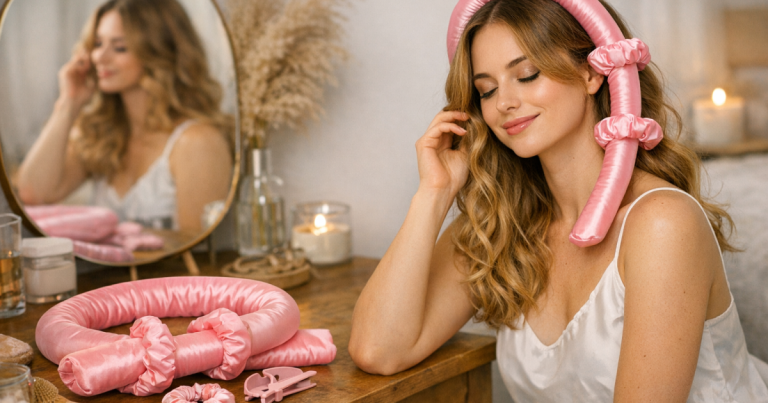
For heatless styling, the Mason Pearson Popular Mixture Hair Brush is best used before setting rather than after curls have formed. It can smooth hair before a satin heatless curling rod, rollers or a wrap, helping the final result look less frizzy at the ends. Once curls are set, switch to fingers or a wide-tooth comb if you want to keep shape and separation.
Build quality and maintenance
The appeal of Mason Pearson is not just the finish; it is the feeling of a tool built for years of careful use. The brush feels solid, not flimsy, and the cushion has a deliberate amount of movement. The trade-off is that it asks for more care than a basic plastic brush. Remove shed hair often, avoid product-heavy brushing where possible, and clean it according to the brand’s instructions so the bristles do not become coated.
Value for money
Value depends on what you are replacing. If you currently own several brushes but still reach for heat, serum or repeated restyling to make your hair look polished, this could become a daily workhorse. If you mainly need a shower detangler, a travel brush or a tool for defined curls, the cost is harder to justify.
Who it’s best for / who should skip it
Best for: straight, wavy and lightly textured hair that benefits from smoothing; medium to thick hair that needs more grip than a soft boar brush; anyone who prefers dry styling and wants a more polished finish before heatless setting.
Also worth considering for: breakage-prone hair, provided you are patient with detangling first. The brush can be gentle in the right routine, but it is not gentle if used to pull through knots.
Skip it if: your main issue is wet detangling, you wear tight curl definition most days, your scalp dislikes firm bristles, or you want the cheapest practical brush for everyday use. It is a luxury finishing tool, not a basic essential for every hair type.
Helpful questions
Can the Mason Pearson Popular Mixture Hair Brush be used on wet hair?
It is better treated as a dry styling and finishing brush. For wet hair, use a suitable wide-tooth comb or detangling brush first, then bring this brush in once the hair is dry or close to dry.
Will it stop hair breakage?
No brush can stop breakage on its own. It can support a gentler routine if you use it on detangled hair, brush in sections and avoid pulling through knots.
Is it good for thick hair?
Yes, if your thick hair is already detangled and you are willing to section it. If you want fast root-to-tip brushing on dense hair, a wider paddle design may be more efficient.
Does it make hair greasy?
It can move natural oils from the roots through the lengths. That can be helpful on dry ends, but oily roots may need lighter brushing and more frequent cleaning of the brush.
Alternatives
If you like the idea of a premium brush but mainly need speed on dense hair, a paddle brush may suit your routine better. Our ghd Paddle Brush review for thick hair is a useful comparison because it focuses on coverage, sectioning and everyday practicality rather than luxury finishing.
If your priority is gentle detangling before styling, start with a dedicated detangling brush or wide-tooth comb, then use the Mason Pearson Popular Mixture Hair Brush only for the final smoothing stage. That two-step routine is often kinder to fragile ends than expecting one expensive brush to do everything.
Verdict + score
The Mason Pearson Popular Mixture Hair Brush is worth considering if you want a long-lasting, beautifully made finishing brush that smooths dry hair and elevates heatless styling prep. It is not the most practical first detangler, and it will not suit every curl pattern, but for medium, thick, wavy or frizz-prone hair that is brushed carefully in sections, it delivers a polished result that cheaper brushes often struggle to match. The final rating is 8.4/10.
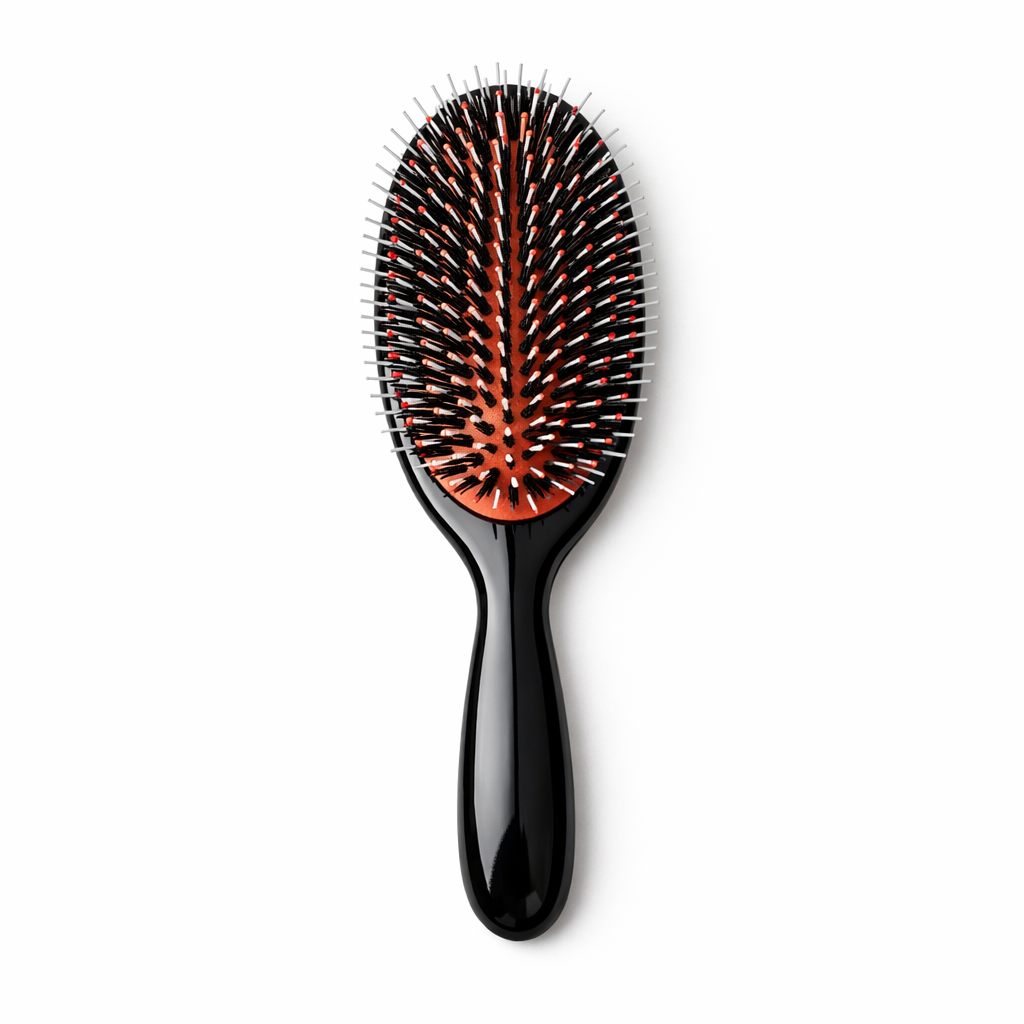
Mason Pearson Popular Mixture Hair Brush
T s space on a dressing table if it genuinely improves the finish, not just the ritual.
You might also like: How to Use a Three-Barrel Waver Without Frizzy Ends.