When heat-styled hair starts to feel rough, limp at the roots and straw-like through the ends, a richer wash-day mask can make styling feel less punishing. This L’Oréal Paris Elvive Total Repair 5 Mask review focuses on whether it is useful for hair that has been regularly straightened, curled, blow-dried or brushed into shape while still slightly fragile.
Quick verdict: L’Oréal Paris Elvive Total Repair 5 Mask is a solid high-street option for adding slip, softness and a smoother finish to damaged-looking lengths. It is not a miracle fix for split ends, and fine hair needs a lighter hand, but it can make heat-styled hair feel easier to detangle and less brittle-looking after rinsing.
Product overview
The L’Oréal Paris Elvive Total Repair 5 Mask sits in the brand’s damaged-hair range and is aimed at common signs of wear: roughness, weakness, dullness, dehydration and split-end appearance. For at-home styling routines, that makes it most relevant if your hair is not necessarily chemically over-processed, but has become tired from repeated hot tools, tension, brushing and weather exposure.
Its biggest appeal is convenience. You can usually find the Elvive range through UK supermarkets, chemists and beauty retailers, and the mask is designed to slot into a normal shampoo-and-condition routine rather than replace your whole wash day. It is the sort of treatment you reach for when your ends feel crunchy before straightening, waves are dropping because the surface feels parched, or a blow-dry is turning fluffy instead of smooth.
For heat-damaged hair, the realistic expectation is cosmetic improvement rather than permanent repair. A rinse-out mask can soften, coat, smooth and improve manageability, but it cannot seal a split end back together for good. Think of this as a useful maintenance step between trims and lower-heat styling days, not a substitute for removing severely frayed ends.
Key specs
- Product type: rinse-out hair mask for damaged-feeling hair.
- Main use: softening, smoothing and improving slip after shampooing.
- Best place in routine: mid-lengths and ends, after shampoo, before final styling.
- Hair concerns: rough texture, dullness, tangling, dry-feeling ends and heat-styling wear.
- Texture: richer than a daily conditioner, so application amount matters on fine hair.
- UK availability: commonly sold through mainstream beauty, grocery and pharmacy retailers; check current pack size and formulation before buying.
- Ingredients to verify: check the current UK label if you avoid silicones, fragrance, particular allergens or heavy conditioning agents.
Pros and cons
Pros
- Good slip for detangling: useful when heat-styled ends start catching on a brush or comb.
- Smoother blow-dry finish: it can help reduce the dry, fluffy look that often appears around damaged lengths.
- Easy to fit into a routine: no complicated method, extra tool or salon appointment needed.
- Accessible for UK shoppers: it is a recognisable high-street product rather than a niche salon-only treatment.
- Works well as a reset step: particularly after several days of straightening, tonging or using a hot brush.
Cons
- Can be too much at the roots: fine, flat or oily-prone hair should keep it away from the scalp.
- Not a true split-end repair: it improves feel and appearance, but damaged ends still need trimming eventually.
- May not be enough for severe damage: bleached, snapping or highly porous hair may need a more targeted bond-building or salon-advised routine.
- Fragrance and coating agents may not suit everyone: always check the current ingredient list if your scalp or skin reacts easily.
Performance in real use
Softness and slip
This is where the mask makes the most immediate sense. On hair that feels rough after heat styling, it gives a more conditioned feel than a basic everyday conditioner. The benefit is most noticeable when rinsing and detangling: lengths tend to feel less grabby, which can reduce the amount of tugging needed before a blow-dry or air-dry.
That matters because damage is not only caused by the heat itself. Mechanical stress from dragging a brush through dry, knotted hair can make already-weakened ends look worse. If your styling routine involves sectioning, smoothing and reworking the same pieces, a mask that improves slip can help make the whole process gentler.
Finish after blow-drying or straightening
After a proper rinse, the finish is generally smoother and more polished-looking, especially on medium to thick hair. It can help reduce that matte, thirsty look through the bottom third of the hair, so your straighteners or curling tong are not doing all the visual smoothing alone.
However, it is still important not to overload the hair. Too much mask can make fine lengths collapse, leaving roots clean but the ends looking stringy. If that sounds familiar, use a small amount only from the ears down, rinse thoroughly, and save the richer application for days when you are not trying to create airy volume. For root lift without adding more heat, a heatless option such as setting Velcro rollers for root lift is a better match than piling treatment near the scalp.
Hair-type guidance
- Fine hair: use sparingly, focus on the last few centimetres first, and avoid using it every wash if your hair becomes flat quickly.
- Medium hair: likely the easiest match; apply through mid-lengths and ends when hair feels dry or styling is becoming less smooth.
- Thick hair: can usually handle a more generous amount, but sectioning the hair in the shower helps distribute it evenly.
- Curly and wavy hair: useful for slip and softness, though curl definition will still depend on your leave-in stylers and drying method.
- Colour-treated hair: check the current product label and your colourist’s advice if your hair is freshly coloured, very porous or lightened.
How often to use it
For most heat-styled hair, once a week is a sensible starting point. If you use straighteners daily, you may prefer it after your most intense styling week rather than on every wash. If your hair is fine, greasy at the roots or easily weighed down, alternate it with a lighter conditioner.
Application is straightforward: squeeze out excess water after shampooing, apply through the mid-lengths and ends, comb through gently with fingers or a wide-tooth comb, leave for the time directed on the current packaging, then rinse thoroughly. The thorough rinse is not optional if you want movement and bounce afterwards.
Who it’s best for / who should skip it
Best for: hair that feels dry, rough or difficult to detangle after regular heat styling. It is particularly useful for medium to thick lengths, long hair with dry ends, and anyone who wants a quick wash-day softening step before a smoother blow-dry.
Use with care if: your hair is very fine, low-density or prone to looking greasy by day two. You may still like it, but the amount and placement matter more than the product itself.
Skip it if: your main issue is active breakage, severe bleach damage or hair snapping close to the root. In that case, a cosmetic mask alone is unlikely to be enough. You may need to reduce heat frequency, book a trim, review your colour routine, or choose a treatment specifically designed for your type of damage.
It is also worth looking beyond wash day. If you rely on hot tools because your hair loses shape overnight, learning how to refresh waves without adding another full heat session can be just as protective as adding a richer mask. The technique-focused guide to reviving second-day waves without rewashing is a useful next step if your lengths are already feeling overworked.
Alternatives
If you want something lighter, a leave-in oil or serum-style finisher may suit fine hair better than a rich rinse-out mask, especially when your main problem is frizz at the ends rather than overall dryness. Moroccanoil Treatment is a recognisable option in that category, though it behaves differently: it is a styling and finishing product, not a wash-out mask.
If your goal is to reduce heat damage rather than treat the feel of it afterwards, the stronger alternative is changing the styling method. Heatless curl rods, silk wraps, Velcro rollers and lower-tension drying habits can all reduce how often you need direct heat. The Elvive mask can help hair feel better between styling days, but it works best alongside a gentler routine.
Common questions
Will it fix split ends?
No rinse-out mask can permanently fix split ends. It can make ends feel smoother and look neater temporarily, but split ends need trimming once they have formed.
Can I use it before straightening my hair?
Yes, use it on wash day, rinse well, then dry your hair fully before straightening. Do not treat it as a heat protectant; use a separate heat protection product if you are applying hot tools.
Is it too heavy for fine hair?
It can be if you use too much or apply it too close to the roots. Start with a small amount through the ends only and increase only if your hair still feels dry.
Does it suit curly hair?
It can help curly hair feel softer and easier to detangle, but it will not replace a curl cream, gel or drying technique for definition. Rinse thoroughly to avoid limp curls.
How quickly will I notice a difference?
The softening effect is usually most noticeable after the first use, especially during detangling. Longer-term improvement depends on reducing heat stress and keeping up with trims.
Verdict + score
The L’Oréal Paris Elvive Total Repair 5 Mask is a dependable, easy-to-find treatment for heat-damaged hair that needs softness, slip and a smoother-looking finish. It is strongest on medium to thick hair and dry ends, slightly trickier on fine hair, and not enough for severe structural damage on its own. Used once a week and kept away from the roots, it earns 8.2/10.
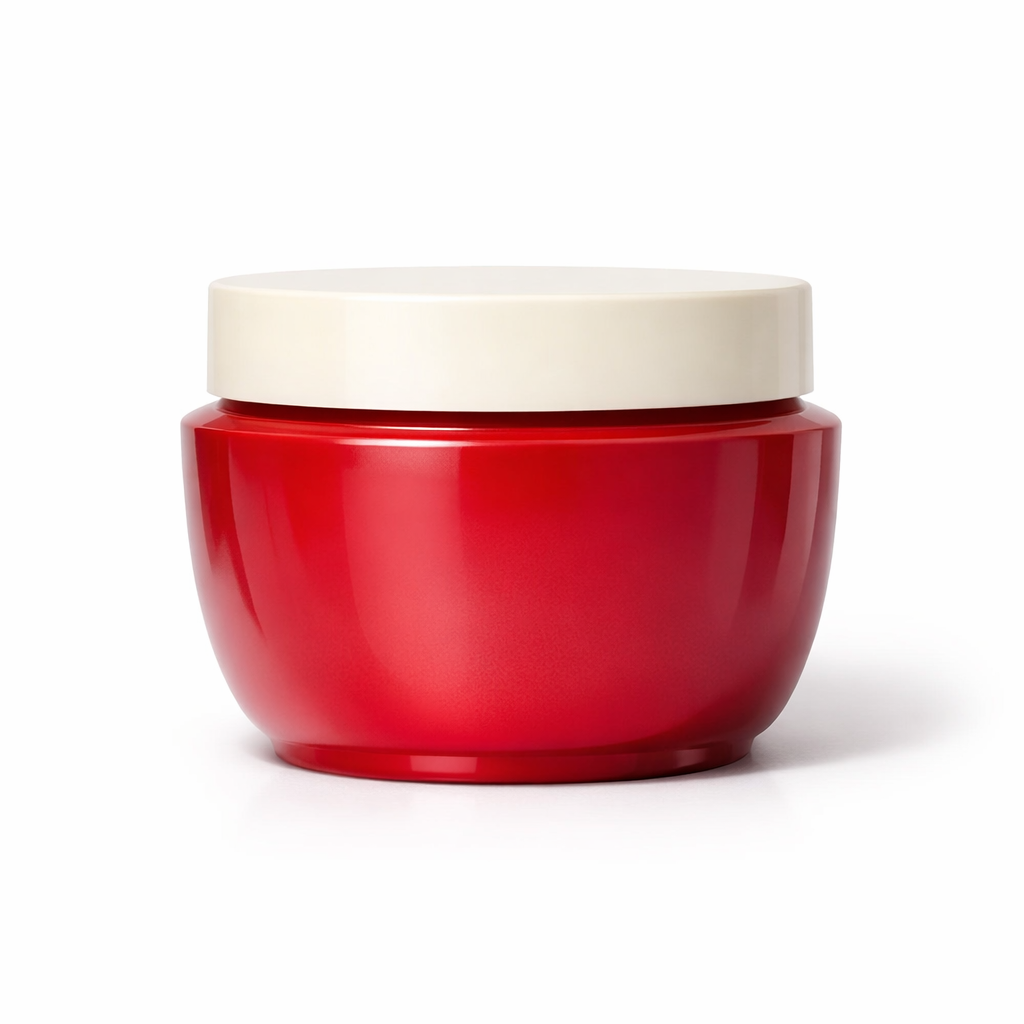
L’Oréal Paris Elvive Total Repair 5 Mask
Trusted re
You might also like: Dual Voltage Hair Tools: Are They Worth Packing Abroad?.