Heat-styled hair can look glossy at first, then turn dry-looking, fluffy or weighed down by the end of the day. This Moroccanoil Treatment review focuses on the real question: does it help hair that is regularly blow-dried, waved, curled or straightened, or is it more of a shine product than a protective step?
The short answer: Moroccanoil Treatment is worth considering if your heat-styled hair needs slip, shine and smoother-looking ends. It is not, however, a complete replacement for a dedicated heat protectant, and fine hair needs a very restrained amount.
What to know first
The biggest strength here is cosmetic polish. Used lightly, it can make heat-styled hair feel softer, look sleeker and behave better when the ends start to look separated or dry. It is particularly useful after blow-drying, after using straighteners for bends or waves, or before refreshing a style on day two.
The main limitation is easy to miss: this is not the product to rely on as your only defence before hot tools unless the current packaging and retailer information specifically confirms the level of heat protection you need. If your routine includes regular straighteners, curling tongs, hot brushes or multi-stylers, pair it with a true heat protectant and use this as a smoothing and finishing layer.
Product overview
Moroccanoil Treatment is a silicone-rich, argan-oil-based styling and finishing treatment designed to add shine, smooth the look of frizz and improve manageability. It has become a salon-shelf staple because it gives a very immediate finish: hair tends to look more polished quickly, without needing a complicated routine.
For heat-styled hair, its best role is supportive rather than standalone. Apply a small amount through mid-lengths and ends before blow-drying to add slip, then use a trace amount after styling to soften the outline of waves, bends or straightened ends. On coarse, dense or porous hair, it can make a blow-dry look more expensive. On fine hair, the same richness can turn greasy if you use too much or apply it near the roots.
If your main issue is fragile fine hair around hot tools, start with technique first: lower heat where possible, reduce repeated passes and avoid stacking too many heavy finishing products. Our guide to protecting fine hair when using multi-stylers is a useful next step if your styling routine involves several attachments or frequent hot-air styling.
Key specs
- Product type: leave-in styling and finishing treatment for the lengths and ends.
- Main positioning: smoothing, shine, manageability and frizz control.
- Core formula feel: oil-like but silicone-led, so it gives slip and gloss rather than the feel of a pure plant oil.
- Best application areas: mid-lengths and ends, avoiding the scalp and roots unless your hair is very coarse or dense.
- Heat-styling role: useful before blow-drying and after hot-tool styling, but it should not replace a dedicated heat protectant unless the current product information supports that use.
- Hair types to approach carefully: very fine, low-density or easily greasy hair.
- What to verify before buying: current ingredient list, bottle size, whether a pump is included, and whether the original formula or lighter version is better suited to your hair.
Pros and cons
Pros
- Gives a fast, visible shine boost on heat-styled lengths and ends.
- Helps the hair feel smoother, which can make blow-drying and finishing feel easier.
- Good for softening the look of dry ends after straightening, curling or waving.
- A little can go a long way on medium, thick, coarse or porous hair.
- Works well as a finishing product when a style looks too fluffy or freshly done.
Cons
- Can overwhelm fine, limp or oily hair if applied too generously.
- Not the most targeted choice if your main need is verified heat protection before high-temperature tools.
- The fragrance is noticeable, so scent-sensitive users should try before committing where possible.
- Build-up can be an issue if you use it daily without adjusting your wash routine.
- It improves the look and feel of dry ends, but it cannot repair split ends or reverse heat damage.
Performance in real use
Before blow-drying
This is where Moroccanoil Treatment makes the most sense for regular heat stylers. On towel-dried hair, a small amount through the mid-lengths and ends adds slip, which can reduce tugging from a brush and help the finished blow-dry look smoother. It is especially helpful if your hair tends to puff out as soon as warm air hits it.
For fine hair, use less than you think and keep it below ear level. Rub it thoroughly between your palms first, then skim lightly over the ends. If your hair collapses easily, apply your volumising product at the roots separately and keep this treatment away from the crown.
After straighteners, wands or hot brushes
As a finisher, it is excellent for making heat-styled hair look more intentional. A trace amount can soften the ends of straightened hair, add gloss to tonged waves and calm the halo of frizz that sometimes appears after hot brushing. The trick is to use it after the style has cooled, not while you are still repeatedly passing heat over the same sections.
If you use straighteners to create soft bends rather than poker-straight hair, keep the product light so the wave does not drop. For technique help, see our tutorial on how to use straighteners for soft waves on fine hair if you want a smoother result with fewer passes.
On second-day heat-styled hair
Moroccanoil Treatment can be very useful the day after styling, when the roots may still be fine but the ends look tired. Use the smallest amount on the palms, press it into the ends, then twist pieces back into shape. This works better than adding more heat straight away, particularly on hair that is already dry or colour-treated.
If your waves need more structure rather than more shine, use it sparingly and focus on reshaping first. Our guide to how to revive second-day waves without rewashing covers lower-heat ways to bring movement back without overloading the hair.
On different hair types
Fine hair: useful only in tiny amounts. It can make ends look healthier, but too much will flatten root volume and make freshly washed hair look older than it is.
Medium hair: likely the easiest match. It can smooth, add shine and support a polished blow-dry without feeling too heavy when applied correctly.
Thick or coarse hair: one of the better fits. The richer feel helps with visual softness and frizz control, especially after blow-drying or straightening.
Curly or wavy hair: good for gloss and smoothing the outer layer, but it will not replace a curl cream, gel or styling product that provides hold.
Bleached or highlighted hair: can make dry-looking ends appear softer, though it should sit alongside bond-building or conditioning products if the hair is genuinely compromised.
Who it’s best for / who should skip it
Best for: people who regularly heat-style and want a smoother, glossier finish; medium to thick hair that becomes fluffy after blow-drying; coarse or porous hair that needs extra polish; and anyone who wants a finishing product that makes styled ends look less dry.
Use with caution if: your hair is fine, low-density, very straight or gets oily quickly. In that case, the lighter version may be a better match, or you may prefer to reserve the original formula for the very ends only.
Skip it if: you want a single product that clearly covers heat protection, hold, volume and repair. It is not a styling spray, hairspray, root lifter or damage treatment. It is best judged as a smoothing and finishing product, not as an all-in-one hair health solution.
Alternatives
If you like the idea but worry about weight, Moroccanoil Treatment Light is the obvious alternative to investigate, particularly for fine or light-coloured hair. Check the current retailer description and ingredient list to make sure it matches your needs, as the feel and finish can matter more than the name on the bottle.
If your priority is protection before hot tools rather than shine afterwards, look at a dedicated heat protectant such as Moroccanoil Perfect Defense instead. That is a more targeted category for high-heat styling, while Moroccanoil Treatment is better thought of as the polish step that makes the finished style look smoother.
FAQ
Can Moroccanoil Treatment replace heat protectant?
Not for most heat-styling routines. Treat it as a smoothing and finishing product, and use a dedicated heat protectant before straighteners, curling tongs or hot brushes unless current product information clearly says otherwise.
Will it make fine hair greasy?
It can if you use too much or apply it too high up. Fine hair should start with a tiny amount on the ends only, then adjust after seeing how the hair behaves through the day.
Is it better on wet or dry hair?
It works in both ways. On damp hair, it helps with slip before blow-drying; on dry hair, it adds shine and smooths the look of frizz after styling.
Does it repair heat damage?
No product can truly mend split ends. Moroccanoil Treatment can improve the feel and appearance of dry-looking hair, but damaged ends still need gentler styling, conditioning and trimming when necessary.
Verdict + score
Moroccanoil Treatment earns its reputation as a glossy, smoothing finisher for heat-styled hair, especially on medium, thick, coarse or porous textures. It makes blow-dries look sleeker, softens hot-tool finishes and helps tired ends look more polished between washes. The reason it does not score higher is that it is often treated like a heat-protection or repair product when its real strength is cosmetic smoothness and shine. For the right hair type and used in the right amount, it is worth it; for very fine hair or anyone needing serious heat defence, it should be a supporting product rather than the main event. Score: 8.2/10.
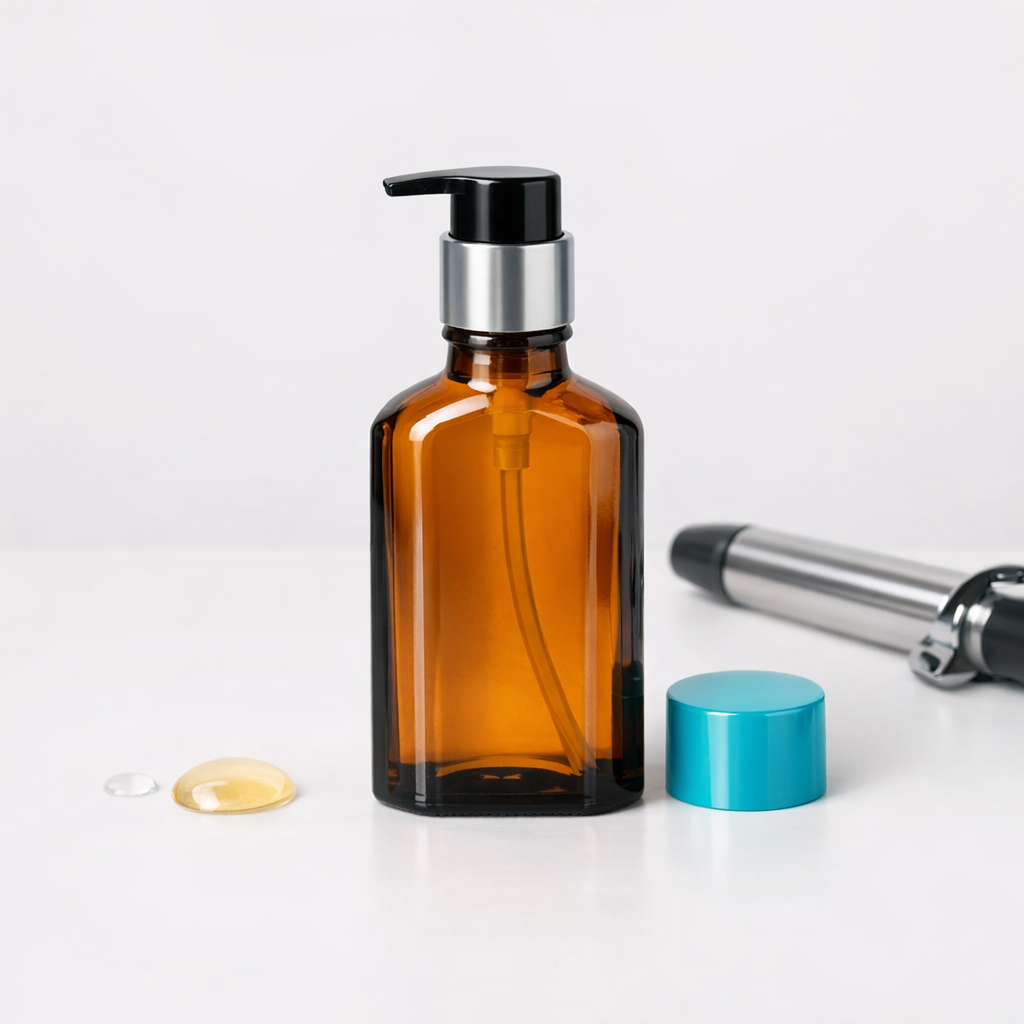
Moroccanoil Treatment
For the right hair type and used in the right amount, it is worth it; for very fine hair or anyone needing serious heat defence, it should be a supporting product rather than the main event.
You might also like: Cordless Straighteners vs Mini Straighteners for Travel Touch-Ups.