Fine hair can be awkward with heatless curlers: too little tension and the bend drops by lunch; too much bulk and you wake up with dents, flat roots or uncomfortable pressure. This SILKE London Heatless Curler review focuses on that exact problem, rather than treating all hair types as if they behave the same.
Quick verdict: the SILKE London Heatless Curler is a polished, beauty-drawer-friendly option for soft bends and loose curls, particularly if your fine hair is shoulder-length or longer and you dislike using hot tools every wash day. It is not the most forgiving choice for very slippery, freshly washed hair unless you prep well, clip securely and accept that the result is more relaxed than tong-defined.
Product overview
The SILKE London Heatless Curler sits in the increasingly popular category of soft, wraparound curling tools designed to shape hair while it dries or sets without direct heat. The appeal is obvious for fine hair: less reliance on straighteners or curling wands, fewer scorched ends, and a styling routine that can happen while you get ready or sleep.
Where this product feels different from a basic robe-belt curl method is presentation and finish. SILKE London is known for premium-looking hair accessories, and the curler is aimed at people who want their heatless set-up to feel intentional rather than improvised. That matters if you are already committed to protecting fragile lengths and want a tool you will actually keep using.
For fine hair, the key question is not whether it can create a curl. It can. The real question is whether it creates enough grip and structure without making hair look sparse, kinked or over-handled. Fine strands often have less natural hold, and if they are silky or low-porosity, they can slip off soft tools before the bend has time to set. If that sounds familiar, it is worth understanding the technique before treating this as a guaranteed overnight transformation.
Key specs
- Product type: heatless curling accessory for wrapping hair around a soft central curler.
- Reviewed for: fine hair, including straight, softly wavy and low-density hair that struggles to hold curls.
- Best styling window: hair that is dry to slightly damp, or dry hair with a light styling mist. Soaking wet fine hair is more likely to dry unevenly.
- Finish to expect: soft waves, loose curls or a smooth blowout-style bend depending on hair length, tension and prep.
- What to verify before buying: current kit contents, material composition, care instructions and return terms, as bundles and retailer listings can change.
- UK shopping note: check whether you are buying from SILKE London directly, a recognised UK beauty retailer or a marketplace listing with clear fulfilment and returns information.
Pros and cons
Pros
- Gentler than regular hot-tool styling, which is useful if your fine ends already feel dry, fragile or colour-treated.
- Creates a softer, more modern curl than tight rollers, with less risk of a crunchy or overly set finish.
- Looks and feels more elevated than DIY heatless methods, so it is easier to keep in a regular routine.
- Works well for low-effort styling when you want movement through the mid-lengths and ends rather than root lift.
- Can be paired with a light mousse or flexible-hold spray to improve longevity on slippery hair.
Cons
- Fine hair can slide if it is too clean, too glossy or wrapped without enough tension.
- It will not give the same crisp, repeatable curl pattern as a curling wand or straightener curl.
- Very short layers may pop out unless you use clips or adjust your wrapping sections.
- Overnight comfort depends on your sleeping position and how securely you fasten the curler.
- The premium feel only makes sense if you will use it often; occasional users may be happy with a simpler heatless rod.
Performance in real use
Grip on fine hair
Grip is the make-or-break point. On fine, freshly washed hair, the curler benefits from a little texture: not stiffness, but enough resistance to stop sections sliding loose. A pea-sized amount of lightweight styling cream can be too much for some fine hair, so a fine mist, volumising mousse or flexible-hold product is usually the safer starting point.
Section size matters as much as product. Large sections create a looser, blow-dried bend, while smaller sections set more visibly but can look piecey if your hair density is low. If your hair often loses shape, wrap evenly, keep the tension smooth and secure the ends without crushing them.
Curl shape and finish
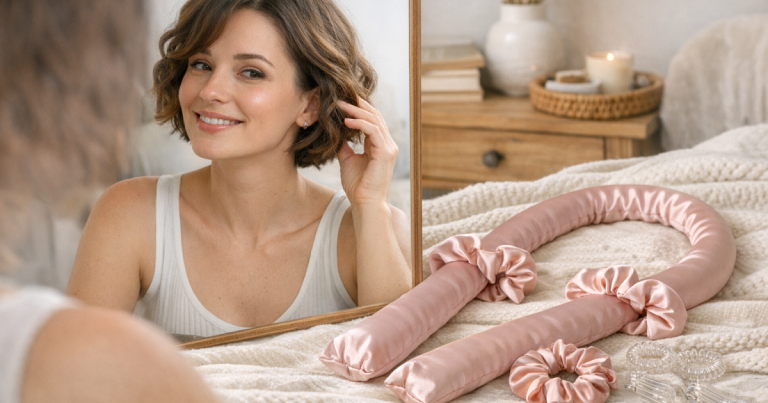
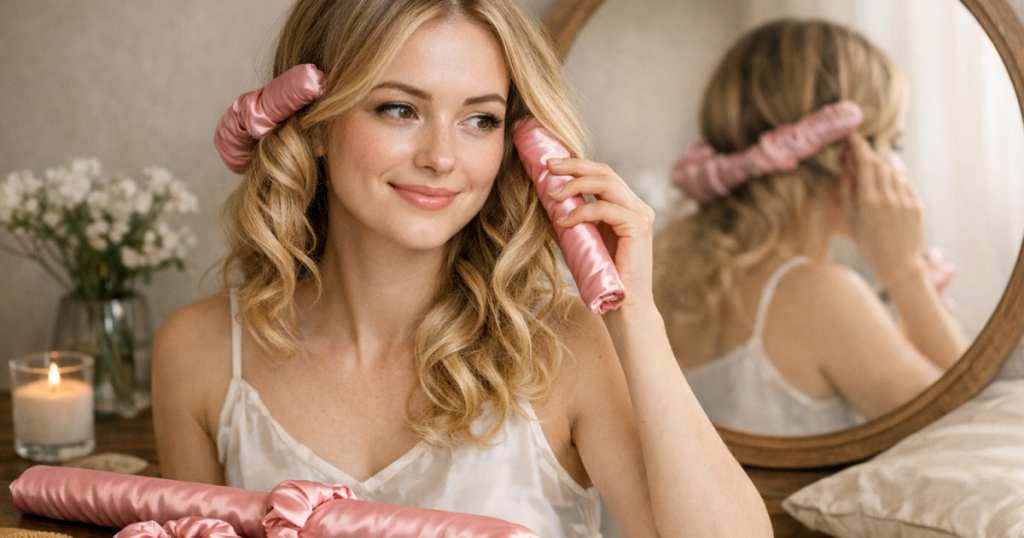
The finish is prettiest when you want polished softness rather than ringlets. On fine hair, expect movement from around cheekbone or jaw level down, not dramatic root volume. The result can look more expensive than a rushed hot-tool curl because the surface stays smoother and less singed-looking, provided the hair is fully dry before you unwind.
If your hair has natural wave, the curler can help organise that texture into a more deliberate shape. If your hair is pin-straight and glassy, the result may be subtle unless you set it for longer and use light hold. For a deeper understanding of why some hair grips and some hair drops quickly, read the guide to how hair type affects slip, stretch, shrinkage and hold.
Comfort and overnight use
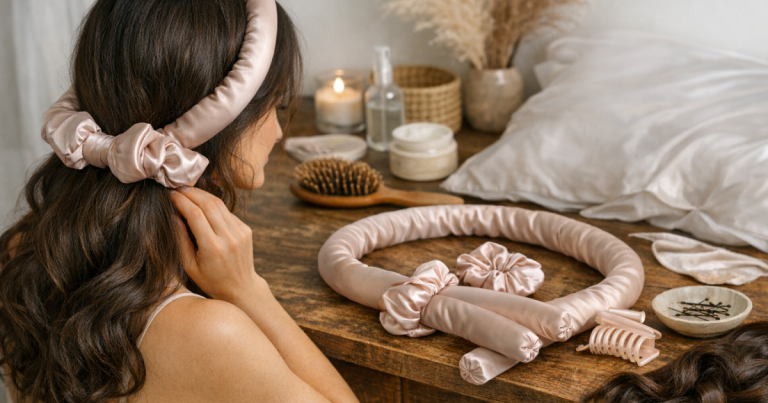
Comfort is personal, but fine-haired users often have an advantage here because there is less bulk to wrap. The downside is that low-density hair gives less padding between the curler and the scalp, so placement is important. Keep it sitting like an Alice band across the crown rather than too far back, and avoid tying the ends so tightly that they tug around the temples.
If you are a light sleeper, start by wearing it for a few hours in the evening rather than committing to overnight use straight away. That also helps you learn how damp your hair should be. Fine hair can feel dry on the outside while the wrapped sections remain slightly damp inside, which is one reason curls can collapse shortly after removal.
Ease of use
The learning curve is moderate, not difficult. The first attempt may look uneven, especially if one side is wrapped tighter than the other. The most reliable method is to part hair down the middle, clip the curler securely at the top, then add hair into each wrap in consistent sections. Think of it as a soft twist rather than a braid.
For fine hair, avoid brushing the finished curls aggressively. Use fingers first, then a wide-tooth comb only if you want a looser wave. A drop of lightweight hair oil can smooth ends, but too much will flatten the result quickly.
Durability, care and value
Because this is a soft accessory, value depends on stitching, surface feel, how easily it marks, and whether it holds its shape after repeated use. Check the latest care instructions from the retailer before washing or storing it. Fine hair is often more affected by product residue, so keeping the curler clean matters; a build-up of styling spray or oil can make the surface less predictable and may weigh down your results.
It is worth buying if it replaces regular heat styling in your week, rather than if it becomes another accessory you use twice. If you already know you like heatless wrapping methods, SILKE London’s version feels like a considered upgrade. If you are still unsure whether the technique suits your routine, test the method with a simpler tool first before paying for a more polished option.
Who it’s best for / who should skip it
This curler is best for fine hair that is at least shoulder length, reasonably healthy through the ends, and able to hold a bend with light styling support. It is especially appealing if you want soft workday waves, second-day polish or a lower-damage alternative to regular curling with straighteners.
It is also a good fit for people who value a neat, premium-feeling tool. If your bathroom drawer is already full of abandoned gadgets, the nicer finish may help because it feels less like a compromise and more like part of a proper routine.
Skip it if your main goal is tight curls, dramatic root lift or a style that lasts several days without touch-ups. Fine hair with very short layers, freshly cut blunt bobs or extremely silky texture may need extra clips and more product than you expect. If you dislike sleeping with anything around your head, evening setting will be more realistic than overnight styling.
For anyone still working out which tool shape matches their hair and finish goals, the guide to matching styling goals and tools to your hair type is a useful next step before committing.
Alternatives
If the SILKE London option feels too premium for a first experiment, a satin heatless curling rod can give you a similar wrapping technique with a simpler feel. It is a sensible route if you mainly want to test whether your fine hair holds overnight curls at all.
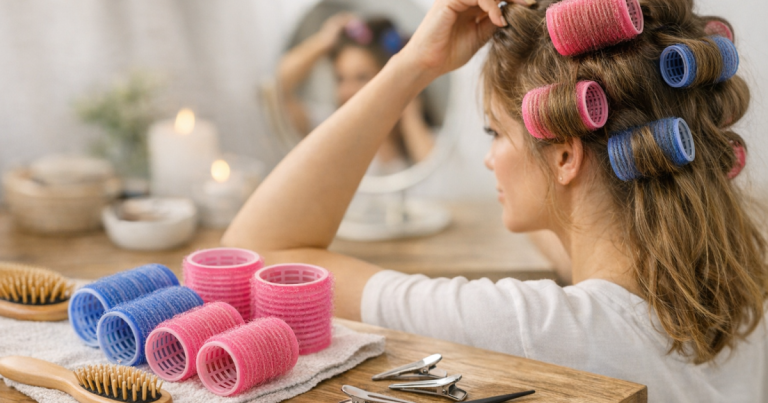
If you want more lift near the crown or fringe area, Velcro hair rollers may suit fine hair better than a wraparound curler. They are usually stronger for bounce and root shape, although they can be less comfortable for sleeping and need careful removal to avoid tangles.
Common questions
Does the SILKE London Heatless Curler work on very fine hair?
Yes, but very fine hair usually needs prep. Use dry or barely damp hair, add light hold, wrap with even tension and let the hair fully set before removing it.
Will it make fine hair look flat at the roots?
It can if you wrap from too low down or use heavy products. Keep the top smooth but not pulled flat, and consider rollers at the crown if root lift is your priority.
Is it better than curling with straighteners?
It is gentler and easier for relaxed waves, but it will not match straighteners for sharp, controlled curls. Choose it when condition and softness matter more than precision.
Should fine hair be wet before using it?
No. Slightly damp is usually enough. Wet fine hair can take too long to dry inside the wrap, which often leads to limp curls.
Verdict + score
The SILKE London Heatless Curler is worth considering for fine hair if you want a gentler, prettier-feeling alternative to regular hot styling and you are happy with soft curls rather than high-definition ringlets. Its strengths are polish, smoothness and routine appeal; its weaknesses are slip on very silky hair and the need for careful prep. For fine-haired readers who already like heatless methods and want an upgraded tool, it is a strong choice. Score: 8.2/10.
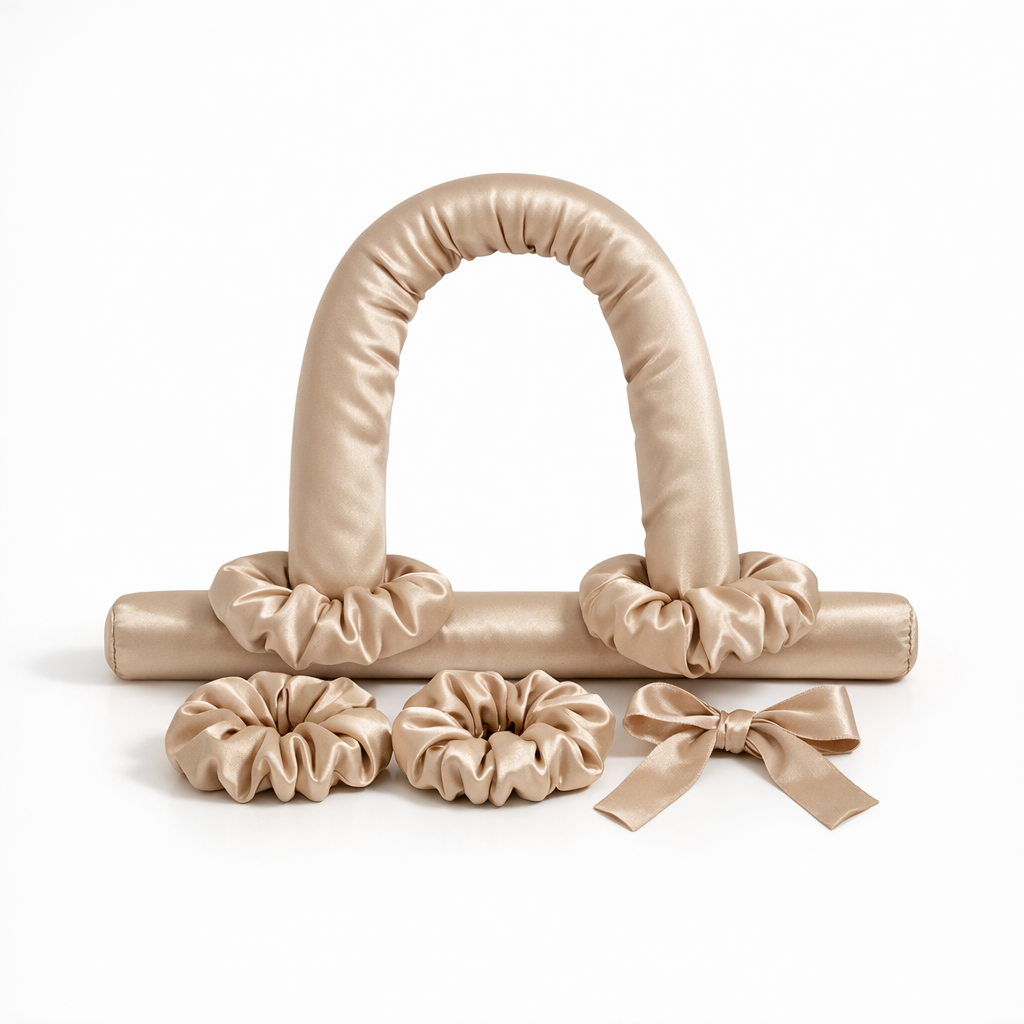
SILKE London Heatless Curler
For fine-haired readers who already like heatless methods and want an upgraded tool, it is a strong choice.
You might also like: Garnier Ultimate Blends Conditioner review for Dry, Heat-Styled Hair.