Freshly smoothed, waved or curled hair often looks polished at bedtime and slightly defeated by morning. This LilySilk Silk Hair Wrap review looks at whether the LilySilk Silk Hair Wrap is a sensible protective step for heat-styled hair, rather than just another pretty sleep accessory. The short answer: it is most useful if your main overnight problems are friction, frizz, flattened ends and loss of shine.
It will not repair heat damage, replace a good mask, or make a blow-dry last indefinitely. But for many hair types, a silk wrap can reduce the amount of restyling needed the next day, which is where the real hair-health benefit sits. Less brushing, less tonging and fewer hot-tool touch-ups can make a visible difference over time.
Product overview
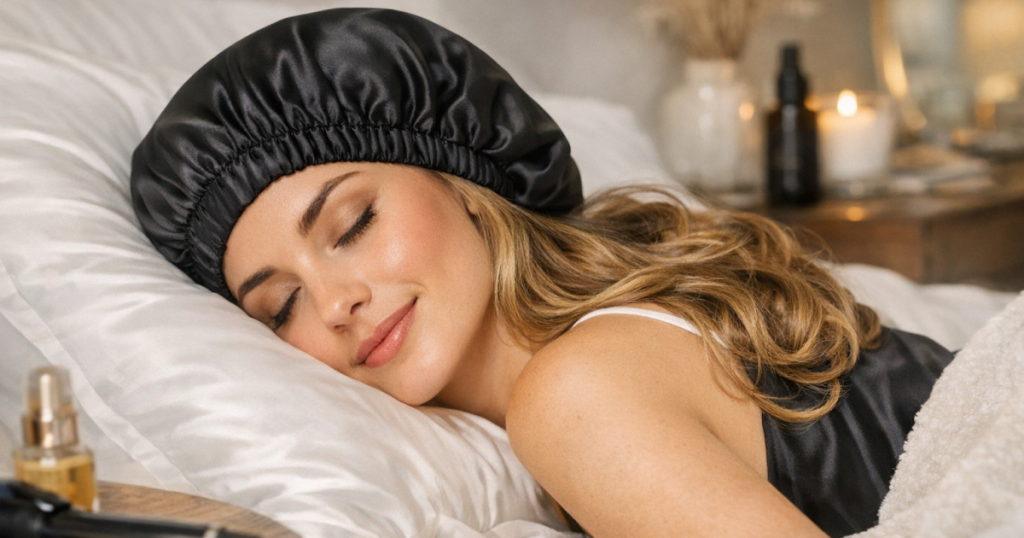
The LilySilk Silk Hair Wrap is a silk hair wrap designed to cover the hair while you sleep or lounge, helping to reduce friction against cotton pillowcases, bedding and clothing. For heat-styled hair, that matters because friction is one of the quickest ways to roughen the cuticle after styling, especially on bleached, colour-treated, curly, wavy or naturally dry lengths.
Used after a blow-dry, hot brush, curling tong or roller set, the wrap’s role is protective rather than styling-led. It helps keep hair contained, limits rubbing at the crown and ends, and can make second-day hair easier to refresh. It is particularly relevant if you like a smooth finish but do not want to run straighteners or a tong through the same sections every morning.
The wrap is not a magic anti-frizz cap. Fit, how dry your hair is before bed, the products already in your hair, and your sleeping style all affect the result. If you go to bed with damp hair, heavy styling cream or curls that have not fully cooled and set, a wrap may compress the style rather than preserve it.
For heat-styled hair that already feels brittle, the wrap works best as part of a broader routine: gentler detangling, lower heat where possible, proper cooling time after styling and conditioning care between wash days. If your ends are already rough from repeated heat, our L’Oréal Paris Elvive Total Repair 5 Mask review for heat-damaged hair is a useful next read for the treatment side of the equation.
Key specs
- Product name: LilySilk Silk Hair Wrap.
- Brand: LilySilk.
- Product type: silk hair wrap for overnight hair protection and style preservation.
- Main use: reducing friction, frizz and disturbance while sleeping.
- Best paired with: fully dry, cooled hair after blow-drying, curling, hot brushing or heatless styling.
- Hair compatibility: suitable to consider for straight, wavy, curly, fine, thick, colour-treated and frizz-prone hair, depending on fit and how much hair needs to be contained.
- Care details: verify the current LilySilk care label before washing, as silk accessories often need gentler laundering than standard hair accessories.
- Before buying: check the current size, fastening style, colour options and returns terms from the retailer, as these can affect comfort and suitability.
Pros and cons
Pros
- Helps reduce friction: the biggest benefit is less rubbing against bedding, which can help heat-styled hair look smoother the next morning.
- Good for frizz-prone lengths: wavy, curly, bleached and porous hair types are often the most likely to notice a softer-looking finish.
- Can reduce next-day heat touch-ups: if your style survives better overnight, you may need less tonging, straightening or hot-brush work in the morning.
- More targeted than a pillowcase alone: because the hair is contained, the lengths are less likely to spread, snag or rub as you move.
- Useful beyond curls: it can also help protect a smooth blow-dry, stretched curly hair, a bouncy fringe or heat-shaped face-framing pieces.
Cons
- Fit is everything: if the wrap is too loose it may slide; if it is too tight it may flatten roots or feel uncomfortable.
- Not ideal for every style: very structured curls, high-volume blow-dries or short layered cuts may need careful positioning to avoid compression.
- Requires a bedtime routine: you need to let hot-styled hair cool fully and place it inside the wrap neatly for the best result.
- Silk needs careful care: washing and drying should be gentler than with synthetic bonnets or basic hair caps.
- Not a repair treatment: it protects the surface from friction, but it will not reverse split ends or existing heat damage.
Performance in real use
The LilySilk Silk Hair Wrap performs best when used as the final step after your style has cooled. That cooling stage is easy to skip, but it matters: hair is more likely to keep its shape once the bonds have settled after heat styling. Put a fresh tonged wave into a wrap while it is still warm and you may encourage dents rather than preservation.
On smooth blow-dries, the wrap is most helpful through the mid-lengths and ends. Hair that would usually wake up fluffy around the outer layer can look calmer, particularly if you sleep on cotton bedding or move around a lot. Fine hair may still need a root refresh in the morning, but the ends can feel less roughed-up and less in need of extra smoothing.
For wavy hair, it is a strong option if your waves collapse from friction rather than from product weight. Loose waves can be gathered gently into the wrap, keeping the surface smoother and reducing the need to brush everything out. If your priority is keeping heatless waves intact overnight, the technique matters just as much as the fabric; our guide on how to sleep in heatless curls without frizz covers placement and morning refresh tips that also apply here.
Curly hair needs a little more judgement. The wrap can help with halo frizz and dry ends, but curls with a lot of volume may need to be loosely arranged rather than packed tightly. If your curls are easily squashed, place them high and soft inside the wrap, then shake or steam-refresh lightly in the morning rather than brushing.
For thick hair, the key question is capacity. A wrap can only protect what it comfortably holds. Dense, long or layered hair may need to be twisted very loosely, folded upwards, or divided before being tucked in. A too-small wrap can create pressure points and odd bends, so checking the current dimensions and closure style before purchase is more important for thick hair than for fine or shoulder-length hair.
Comfort is another make-or-break point. A good sleep wrap should feel secure without creating a line across the forehead, tugging at edges or pulling at the nape. If you are sensitive to anything around your head at night, try wearing it for an hour before bed first. That small test tells you more than any product photo.
For protecting heat-styled hair, the best use case is not dramatic transformation; it is maintenance. The wrap helps your work last longer. If you spend time creating a soft bend with a curling tong, smoothing frizz with a hot brush, or stretching curls with a careful blow-dry, the LilySilk Silk Hair Wrap gives that finish a better chance of surviving until morning.
Who it’s best for / who should skip it
The LilySilk Silk Hair Wrap is best for readers who regularly heat style and want to reduce the amount of next-day repair work. It is especially worth considering if your hair looks good straight after styling but wakes up frizzy, dull, rubbed at the ends or misshapen around the hairline.
- Fine hair: useful if your ends get wispy or static overnight, but avoid wrapping too tightly at the roots if you want to keep lift.
- Medium to thick hair: likely to benefit from reduced friction, provided the wrap has enough room for your length and density.
- Wavy hair: a good match for preserving soft bends and reducing surface frizz, especially after heatless curls or a loose tonged finish.
- Curly hair: helpful for moisture retention and halo frizz control, though very springy curls need gentle placement to avoid flattening.
- Colour-treated or bleached hair: a smart protective layer, as processed hair often shows friction damage quickly.
You may want to skip it if you dislike sleeping with anything on your head, wear very high-volume styles that crush easily, or prefer a looser option such as a silk pillowcase. It is also not the first thing to buy if your hair is breaking from excessive heat. In that case, reduce hot-tool frequency, improve conditioning and use the wrap as support rather than the main solution.
Alternatives
A silk wrap is not the only way to protect a style overnight. A silk pillowcase is easier for anyone who dislikes headwear, though it does not contain the hair as neatly. It can be a better choice for very short hair, fringes, pixie cuts or anyone who finds wraps too warm.
A satin heatless curling rod is the better alternative if your main goal is creating shape while you sleep rather than preserving a heat-styled finish. It can help you avoid hot tools altogether on some wash days, but it is a styling method, not a direct replacement for a protective wrap. For the lowest-effort routine, some people use heatless styling on one night and the LilySilk Silk Hair Wrap on the following night to protect the result.
Questions people ask
Can the LilySilk Silk Hair Wrap stop heat damage?
No. It can help reduce friction and may cut down on next-day heat touch-ups, but heat damage prevention still depends on temperature, frequency, technique and conditioning.
Should hair be wet or dry before using it?
Use it on fully dry hair. Damp hair is more fragile and more likely to dry into dents, flattened roots or an uneven curl pattern inside a wrap.
Will it flatten a blow-dry?
It can if the hair is wrapped too tightly or still warm. Let the style cool, keep the roots loose, and tuck the lengths in without compressing the crown.
Is it better than a silk pillowcase?
For containing long, wavy, curly or freshly styled hair, usually yes. For comfort and simplicity, a silk pillowcase may suit people who dislike wearing a wrap.
How often should it be washed?
Wash it when product, oil or sweat builds up, following the current care label. A clean wrap is better for both scalp comfort and style freshness.
Verdict + score
The LilySilk Silk Hair Wrap is a strong buy for protecting heat-styled hair overnight, particularly if your main issues are frizz, rough ends and styles that need too much morning rescue. It is not a treatment and it will not suit every sleeper or every high-volume style, but it does a genuinely useful job when the fit works and the hair is placed inside carefully. For fine hair, use it loosely; for thick or curly hair, check capacity before committing. As a protective styling accessory, it earns 8.4/10.
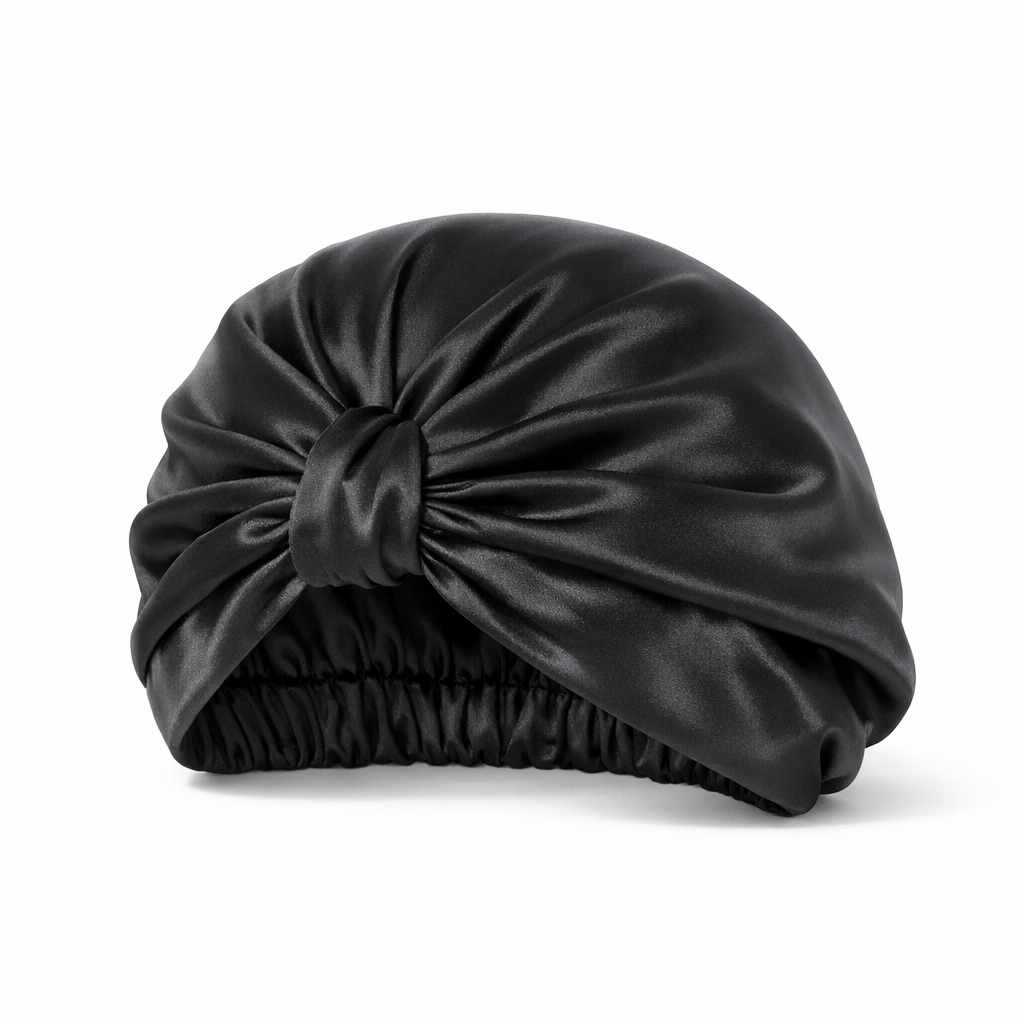
Silk Hair Wrap
For fine hair, use it loosely; for thick or curly hair, check capacity before committing.
You might also like: Are Cordless Curlers Worth Packing for Holiday Hair?.