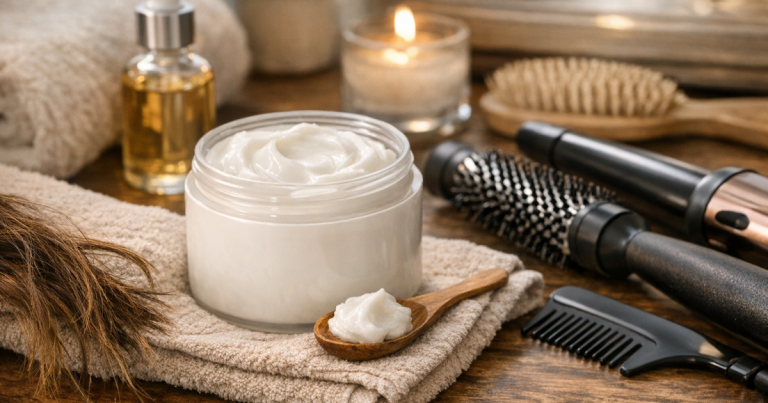
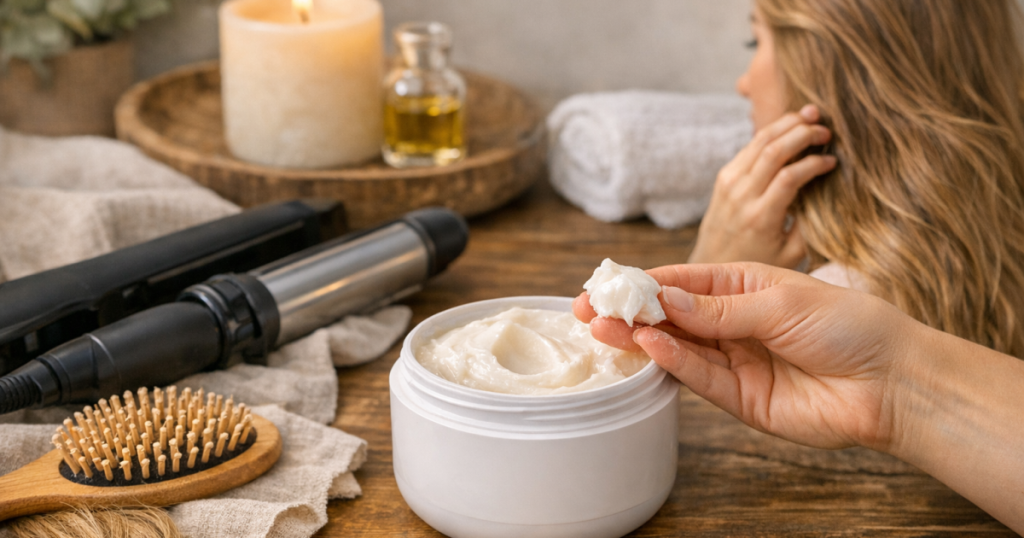
Heat styling damage rarely shows up as one dramatic snap; it usually arrives as rough ends, a dull finish and hair that will not sit smoothly after blow-drying. This Briogeo Don’t Despair, Repair! Deep Conditioning Mask review looks at whether the mask is a useful reset step after straighteners, curling wands, hot brushes or regular dryer work, and where it fits beside gentler heatless styling.
The short version
Briogeo Don’t Despair, Repair! Deep Conditioning Mask is strongest as a softness-and-manageability mask for hair that feels dry, rough or overworked after repeated heat styling. It is not a magic fix for split ends, and it will not replace a heat protectant, but it can make the next blow-dry feel smoother and less grabby.
The sweet spot is medium to thick, wavy, curly, coily, highlighted or porous hair that needs more slip and resilience in the routine. Fine hair can still use it, but the amount and placement matter: keep it mainly on the mid-lengths and ends, rinse thoroughly, and avoid treating it like an everyday conditioner unless your hair genuinely needs that level of richness.
Product overview
Briogeo positions this as a deep conditioning mask for hair that feels dry, damaged or stressed. In a heat-styling routine, that makes most sense after repeated blow-drying, tonging, straightening or hot-brush styling, where the hair starts to feel rougher through the ends and less responsive to styling.
The texture is intended to sit in the treatment-mask category rather than the quick lightweight conditioner category. That distinction matters. If your hair is only mildly dry, you may prefer using it occasionally. If your hair is porous, colour-treated, curly or regularly heat-styled, it may earn a more consistent slot in your wash routine.
For UK shoppers, the sensible check is not just where it is cheapest, but whether the retailer lists the current ingredient information, size and directions clearly. Beauty products can vary by market and packaging update, so verify the current label before buying, particularly if you avoid specific ingredients or follow a curly-hair routine with strict product rules.
Key specs
- Product type: rinse-out deep conditioning hair mask.
- Main role in a routine: conditioning support for hair that feels dry, brittle, dull or rough after styling.
- Best routine position: after shampoo, following the directions on the current product label.
- Hair-type fit: most relevant for medium, thick, wavy, curly, coily, porous, highlighted or regularly heat-styled hair.
- Fine-hair caution: use a smaller amount, focus on ends, and rinse well to avoid a heavy finish.
- Heat-styling role: helps with conditioned feel and manageability, but it is not a heat protectant.
- Buying check: confirm current size, ingredients, usage directions and suitability from the UK retailer or brand listing.
Pros and cons
Pros
- Useful after heat styling when hair feels rough, stiff or less flexible through the ends.
- Gives a more conditioned feel without needing a complicated treatment routine.
- Works particularly well as a weekly reset for wavy, curly, coily or colour-treated hair that loses softness quickly.
- Can make detangling feel easier when hair is prone to snagging after blow-drying or straightening.
- Easy to slot into an at-home routine without changing your styling tools.
Cons
- May feel too rich if your hair is very fine, oily at the roots or easily weighed down.
- Will not repair split ends in the literal sense; damaged ends still need trimming when they are beyond cosmetic smoothing.
- Does not prevent heat damage on its own, so a separate heat protectant is still needed before hot tools.
- Results depend heavily on how much you use, where you apply it and how thoroughly you rinse.
- Not the cheapest style of conditioning step, so occasional use may be more realistic for some routines.
Performance in real use
After heat styling, the first thing most people want from a mask is not a dramatic transformation; it is for the hair to stop feeling scratchy and resistant. This is where the product performs best. Used on the mid-lengths and ends, it helps the hair feel more pliable, which is useful when your next style needs smoother sections and less friction from brush to strand.
On straight or softly wavy hair, the main benefit is a smoother finish after blow-drying. If your ends tend to flick out because they are dry rather than because of the cut, a richer mask can help them sit more neatly. It will not create a salon blow-dry by itself, but it can make the styling stage feel less like you are fighting the hair.
On curly and coily hair, the value is more about softness, slip and reducing the brittle feel that can follow diffusing, stretching or occasional straightening. It should be treated as part of a bigger protection routine: gentle detangling, controlled heat, sensible tension and enough moisture between heat sessions. If coily hair is being blow-dried under tension, technique and nozzle choice still matter; our ghd Helios comb nozzle review for coily hair is a useful next read on that side of the routine.
Fine hair needs more restraint. The product can be helpful if the ends are highlighted, frazzled or heat-styled often, but applying too much near the roots can leave the finish flatter than intended. A small amount on the lower lengths is the better test. If your hair goes limp easily, use it before a low-stakes wash day rather than before an event style.
The mask also highlights a common mistake: using conditioning treatments to compensate for too much heat. If you are needing a rich mask after every single style, the tool routine may be the real issue. Lower heat where possible, reduce repeat passes, and plan the end result before you start styling; the guide on planning your style before choosing a hair tool is especially relevant if you keep restyling the same sections.
Rinse-out performance is important, too. With richer masks, under-rinsing can leave hair feeling coated, while overloading the product can make a fresh blow-dry look heavy. The best approach is to start modestly, concentrate on the most damaged areas, and judge the result once the hair is fully dry rather than while it is still damp and slippery.
Who it’s best for / who should skip it
This mask is best for people whose hair feels visibly or tactically changed after heat styling: duller shine, rougher ends, extra tangling, puffiness, or a lack of movement. It is especially relevant if you use a hair dryer several times a week, straighten textured hair occasionally, refresh curls with heat, or rely on hot brushes for shape and volume.
It is also a good match for colour-treated or highlighted hair that needs a more cushioned feel before styling. Bleached lengths can become grabby, and that grabby texture makes heat styling harder because brushes and plates move less smoothly. A conditioning mask cannot reverse chemical damage, but it can improve the feel of the surface enough to make day-to-day styling more manageable.
Skip it, or test very carefully, if your hair is ultra-fine and collapses with most masks. You may be better using a lighter conditioner regularly and saving richer treatments for the very ends. It is also not the answer if your main issue is a bad haircut, severe breakage, a tool that runs too hot for your hair, or split ends that are already travelling up the strand.
Alternatives
If your priority is a more budget-conscious repair-style wash step, L’Oréal Paris Elvive Total Repair 5 Hair Mask is a recognisable alternative to consider, though the feel, richness and ingredient preferences will not be identical. If your bigger question is whether your damage is coming from products or tools, the L’Oréal Elvive Total Repair 5 Hair Mask versus Dyson Airwrap Co-anda2x comparison gives a clearer product-versus-tool perspective.
If you want to reduce the need for post-heat repair altogether, a silk hair wrap or satin heatless curling rod can be a smarter routine change than adding yet another treatment. These will not condition the hair, but they can help you preserve a smoother finish or create shape without reaching for hot tools as often.
Helpful questions
Can it replace heat protectant?
No. Use it as a conditioning treatment after washing, then apply a separate heat protectant before blow-drying, straightening, curling or using a hot brush.
How often should heat-styled hair use it?
Start with occasional use, such as once a week or when the ends feel rough, then adjust based on how your hair dries and styles. Fine hair may need it less often.
Will it fix split ends?
No rinse-out mask can permanently mend split ends. It can make damaged lengths feel smoother, but split or thinning ends need a trim to stop them looking ragged.
Is it suitable for curls?
It can suit curls that need softness and slip, particularly after diffusing or stretching. Apply where the hair feels driest and rinse thoroughly so curl shape is not dragged down.
Verdict + score
Briogeo Don’t Despair, Repair! Deep Conditioning Mask is a strong post-heat-styling treatment for hair that needs softness, slip and a smoother feel through the ends. It is most convincing on medium, thick, textured, porous or colour-treated hair, while very fine hair should use it sparingly. The important caveat is that it supports a healthier-feeling routine rather than undoing damage or replacing heat protection. Used alongside lower heat, fewer repeat passes and occasional heatless styling, it earns 8.3/10.
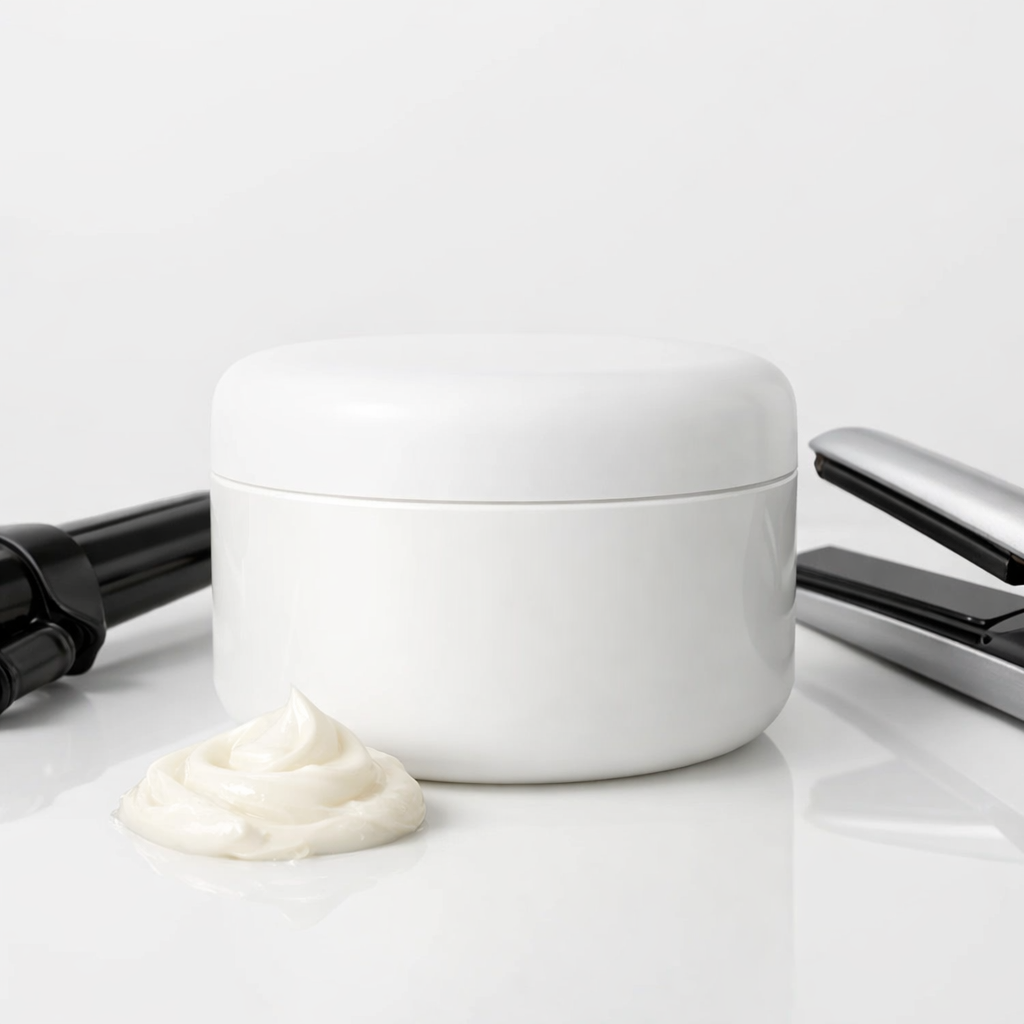
Briogeo Don’t Despair, Repair! Deep Conditioning Mask
Truste