A comb nozzle can be the difference between a blow-dry that stretches coils neatly and one that leaves roots puffy with ends overworked. That is the useful starting point for this ghd Helios Comb Nozzle review: it is an attachment for people who already like the Helios dryer but want more tension and direction than the standard nozzle gives.
For coily hair, the appeal is obvious. A comb attachment lets you guide sections from root to end without juggling a brush in one hand and a dryer in the other. The trade-off is that it still relies on heat, tension and technique, so it will not behave like a silk press tool or replace a careful detangling routine.
Product overview
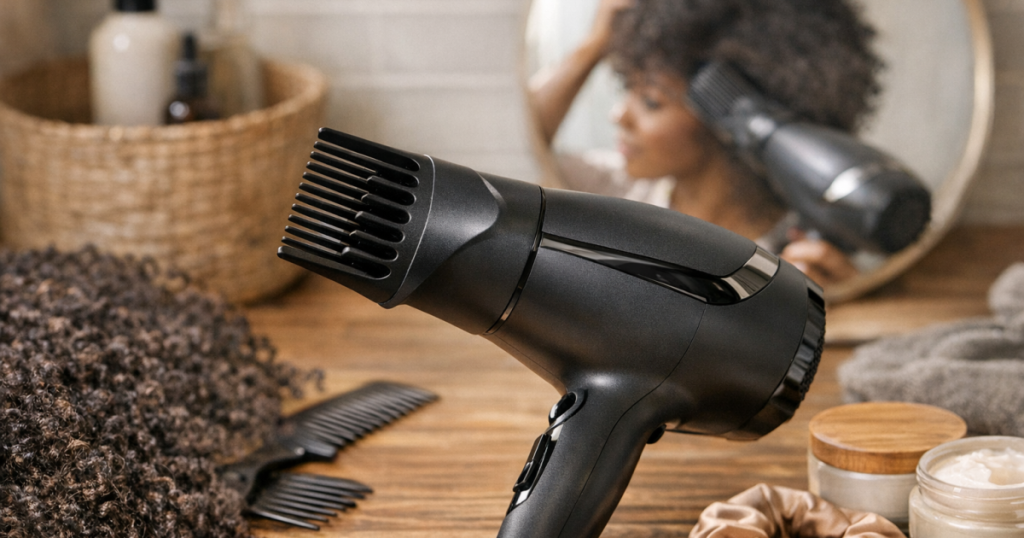
The ghd Helios Comb Nozzle is a dedicated comb-style attachment designed for use with the ghd Helios hair dryer. Instead of concentrating air through a narrow smoothing nozzle, it adds comb teeth to help lift, stretch and direct textured hair as you dry.
Quick verdict: it is a worthwhile add-on if your Helios already works well for you and your main frustration is getting enough root stretch on curls, coils or tighter waves. It is less convincing if you expect one attachment to fully straighten dense 4B or 4C hair, replace sectioning clips, or remove the need for a heat protectant and a good prep routine.
The strongest use case is a stretched blow-dry before twists, braids, buns, roller sets or a follow-up smoothing step. It can also help when you want a fuller, elongated finish rather than a flat, sleek one. For very fragile, colour-treated or heat-weary hair, the better question is not whether it can stretch the hair, but how often you want to use direct heat and tension.
Key specs
- Product type: comb nozzle hair dryer attachment.
- Main compatibility: designed for the ghd Helios hair dryer; check the exact fit before buying if you own a different ghd dryer or an older model.
- Best styling purpose: stretching curls, coils and textured roots while blow-drying.
- Hair types to consider: wavy, curly, coily and natural hair that benefits from directed airflow plus gentle tension.
- Finish: more stretched and controlled than diffuse-drying, but not the same as a flat iron or salon silk press.
- Use alongside: detangling brush, sectioning clips, heat protectant, leave-in conditioner or blow-dry cream suited to your hair.
- Maintenance: remove shed hair and product residue from the comb teeth regularly so airflow and glide stay consistent.
Pros and cons
Pros
- Makes the Helios more useful for textured hair than the standard smoothing nozzle alone.
- Helps create root tension without needing a separate round brush or paddle brush in every section.
- Good for stretched styles where you want length, volume and shape rather than pin-straight smoothness.
- Can reduce hand fatigue compared with brush-and-dryer blow-drying, particularly on small sections.
- Useful before protective styling, heatless sets, buns, braids or a low-heat finishing pass.
Cons
- Only makes sense if you already own, or plan to use, the compatible ghd Helios dryer.
- Not a magic frizz eraser; prep, product choice and humidity still affect the final result.
- Dense coily hair may still need smaller sections and extra patience at the roots.
- Direct heat and tension are still involved, so it is not the gentlest option for damaged or highly fragile hair.
- Buyers should verify compatibility carefully, as comb nozzles are not universal across hair dryers.
Performance in real use
On coily hair, the main performance benefit is control. A standard concentrator nozzle can smooth the surface, but it does not physically separate or guide coils. A comb nozzle gives you a built-in point of tension, which is helpful when you want to stretch shrinkage without using a separate brush on every pass.
The best results come from working in small, detangled sections. Start on hair that is damp rather than dripping, apply a suitable heat protectant, then comb through with a detangling brush before the dryer comes anywhere near the section. The nozzle should glide; if it snags, the section is too large, too tangled or not lubricated enough with leave-in product.
For 3C to 4A textures, it can create a visibly elongated, fluffy blow-dry with fewer tools in hand. For 4B and 4C textures, it is more about stretch and manageability than sleekness. Expect to slow down around the roots, hold the hair taut with your free hand where needed, and avoid repeatedly dragging through the same ends. Ends are usually the oldest and driest part of the hair, so they need the least aggression.
It is also important to be realistic about frizz. The attachment can help align hair as it dries, but it cannot override damp air, product build-up, rough towel-drying or skipping heat protection. If you want to wear your curls rather than stretch them, a diffuser routine may be the better route; for volume at the scalp without pulling coils out, see our guide to root clipping curly hair while diffusing.
Comfort is where the attachment earns its place. Blow-drying thick coily hair with a brush and dryer can be awkward, especially at the back of the head. A comb nozzle simplifies the movement: place, glide, lift, repeat. It will not remove the need for sectioning clips, but it can make the routine feel less like a two-tool wrestling match.
Durability and fit are worth checking before you commit. Look closely at the product listing and packaging to confirm it is the Helios comb nozzle, not a generic comb attachment described as compatible with multiple dryers. A loose attachment is frustrating because coily hair needs steady tension; if the nozzle shifts mid-pass, you lose control and are more likely to snag.
Maintenance is simple but not optional. Product residue from heat protectants, mousse, creams or oils can collect around the comb teeth. Let the nozzle cool fully, remove loose hair, and wipe away build-up so it continues to move cleanly through sections. If you use heavier butters or styling creams, check it more often.
Who it’s best for / who should skip it
This attachment is best for Helios owners with curly, coily or textured hair who regularly want a stretched base. It suits blow-drying before braid-outs, twist-outs, updos, claw-clip styles, roller sets or a smoother finish with minimal extra tool juggling. It is especially useful if your roots stay damp or puffy when you dry with a regular nozzle.
It also suits people who prefer volume over glassy straightness. The finish is more salon blow-out prep than ultra-sleek press: soft, stretched, airy and easier to style. If your hair has medium to high density, sectioning will still matter, but the nozzle can make each section feel more controlled.
Skip it if you do not own the ghd Helios, unless you have confirmed fit with absolute certainty from the retailer or manufacturer. Also skip it if your hair is breaking, recently over-processed or reacting badly to heat. In that case, a heatless stretching method, a wrap routine or a lower-tension drying approach is a kinder next step.
If your hair is fine, loosely wavy or easily flattened, the comb nozzle may be more attachment than you need. A concentrator nozzle and a light brush technique may give enough polish without pulling out your natural body.
Alternatives
The closest alternative is a separate detangling or tension brush used with the standard Helios nozzle. That gives more flexibility because you can choose the brush shape and pressure, but it also requires more coordination. It may suit looser curls or anyone who likes to fine-tune tension section by section.
A second alternative is to stretch less on wash day and preserve smoothness overnight instead. If your goal is simply to keep a blow-dry looking neat for longer, rather than to make drying itself faster, our guide to wrapping hair overnight for a smooth blow-dry finish is the more relevant next read.
For readers trying to reduce heat use, a satin heatless curling rod, silk hair wrap or Velcro hair rollers can be useful depending on the finish you want, but they are not direct replacements for a comb nozzle. They shape or preserve hair; they do not deliver the same root-level stretch during drying.
Common questions
Does the ghd Helios Comb Nozzle straighten coily hair?
It stretches coily hair, but it should not be judged like straighteners. Expect a fuller, elongated blow-dry rather than a pin-straight silk press finish.
Can I use it on soaking wet hair?
It is better used on damp, detangled hair. Blot excess water first so you spend less time applying heat and the comb teeth can glide more comfortably.
Will it work on 4C hair?
It can help stretch 4C hair, but small sections, thorough detangling and patient root work matter. The denser the hair, the less you should rush the pass.
Does it replace a heat protectant?
No. It is an attachment, not a protective product. Use a heat protectant that suits your texture and avoid repeated passes over fragile ends.
Is it worth buying if I already use a paddle brush?
It may be worth it if you find brush-and-dryer styling awkward or tiring. If your paddle brush already gives controlled stretch, the upgrade is convenient rather than essential.
Verdict + score
For coily hair, this is a smart accessory rather than a must-have miracle. It makes the ghd Helios feel more texture-aware, gives better access to the roots, and is genuinely useful for stretched blow-dries before styling. Its value depends heavily on compatibility and technique: use small sections, prep properly, and expect stretch rather than total straightening. For a ghd Helios Comb Nozzle review centred on coily hair, the final judgement is positive but realistic. Score: 8.1/10.
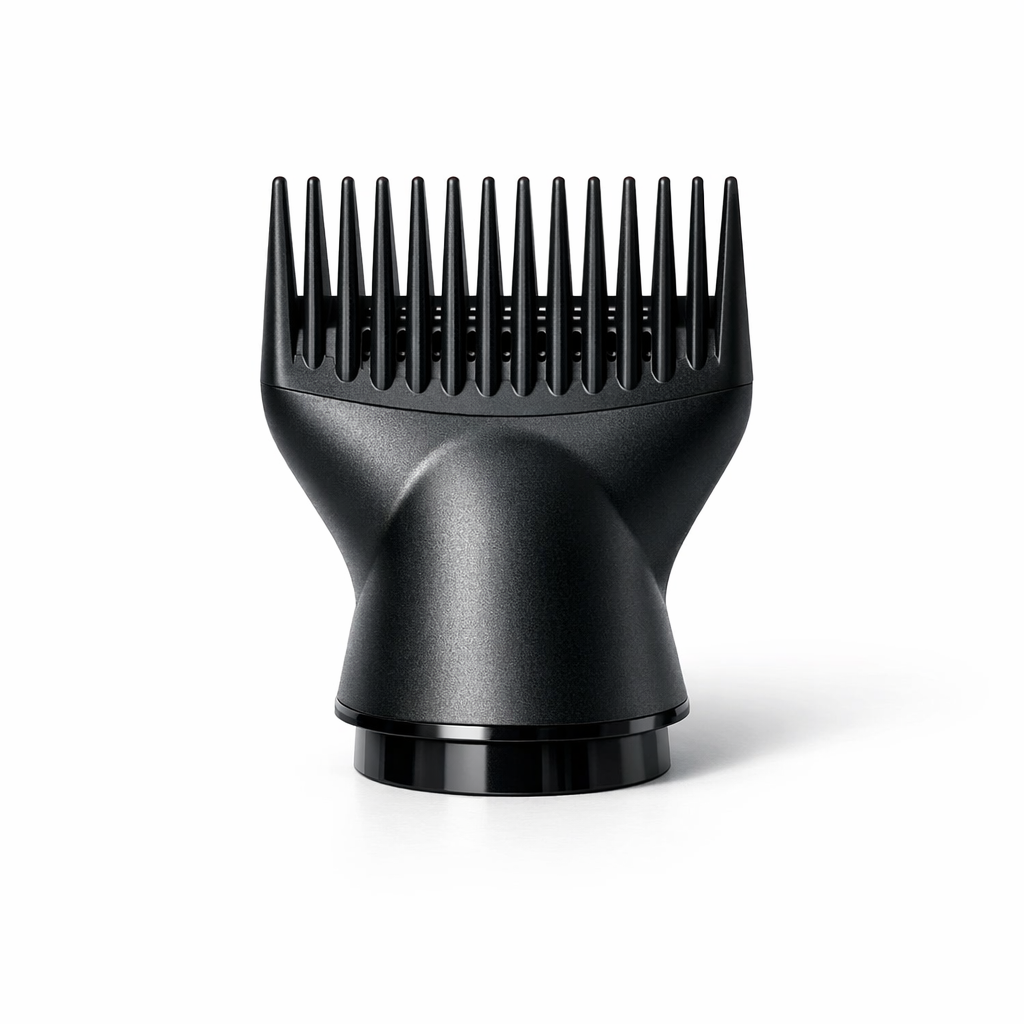
ghd Helios Comb Nozzle
For a ghd Helios Comb Nozzle review centred on coily hair, the final judgement is positive but realistic.
You might also like: How to Style a Fringe with a Hair Dryer Without It Splitting, Puffing Up or Sitting Flat.